

JULY 2026
MISSION OF THE MONTH
Aerial Tours Expose Mine Risk to Bitterroot Watershed
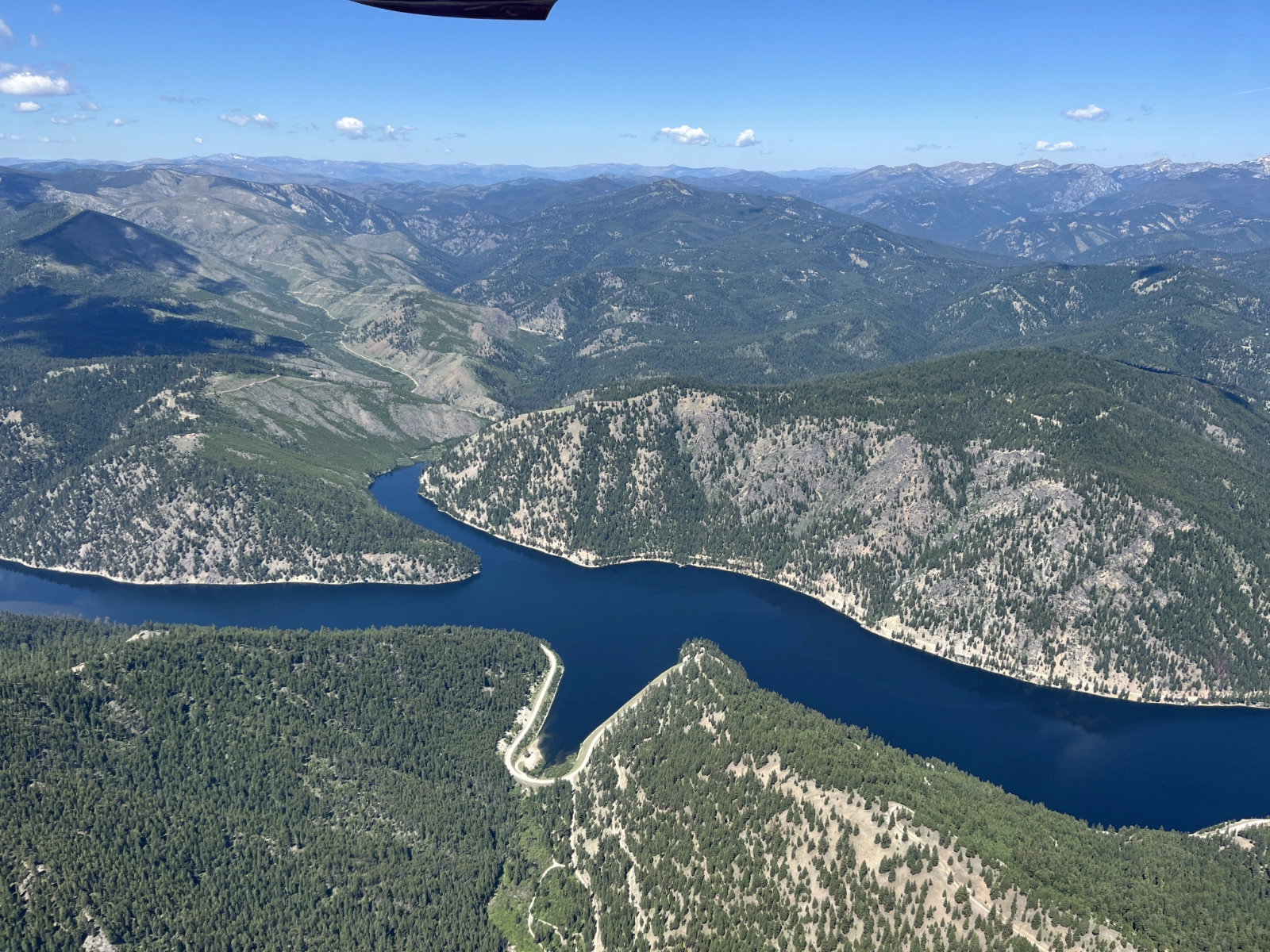
Painted Rocks Reservoir is along the West Fork of the Bitterroot River in Montana. It is one part of the watershed that could be harmed by pollution from a proposed mine's operations. Photo by Keila Szpaller.
The Bitterroot River winds through a picturesque valley in Western Montana, its meandering path carving a winding streambed across the landscapes and depositing rich soils that have served family farms for generations. The area’s beauty served as the backdrop for the Dutton Ranch in the TV series Yellowstone.
The Bitterroot River’s West Fork headwaters have been attracting attention long before the show, drawing fly-fishing enthusiasts from across the country and around the world. Lately, those headwaters have been drawing a different kind of attention: government officials are considering a proposed rare earth mine in the Sheep Creek area, and developers are hoping to fast-track its approval.
Opponents of the mine warn of its threat to the Bitterroot River, a waterway that communities throughout the valley depend on. Pollution from toxic chemicals or fuel spills could travel downstream, threatening the health of the river along with the ground water, soil and streams that feed into it.
PHOTO OF THE MONTH
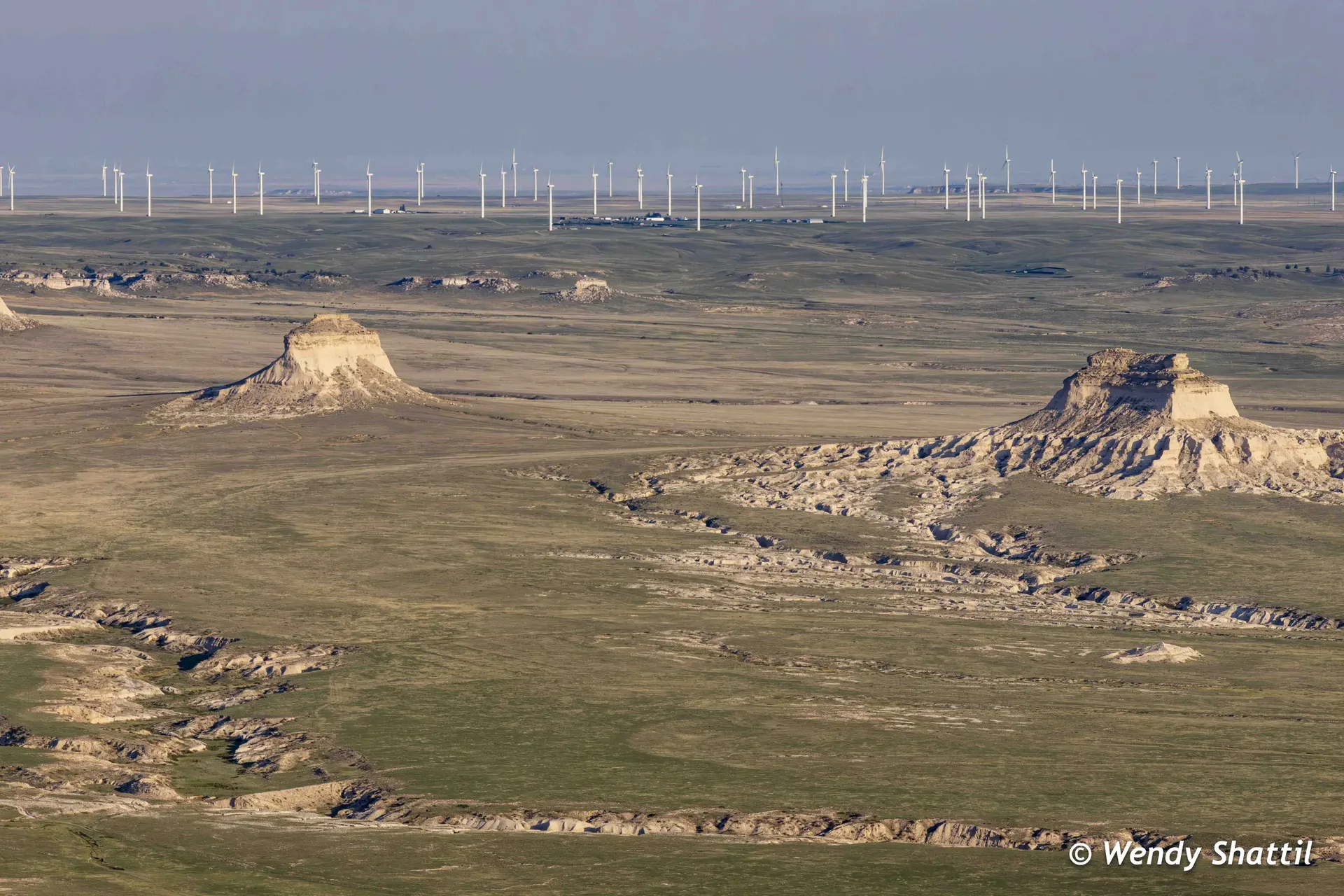
Photo: Wendy Shattil | Pilot: Michael Maya Charles
East of Fort Collins, CO and north of Greeley, CO lies the Pawnee National Grassland, 193,060 acres in the South Platte River basin. Part of the short grass plains of North America, the grassland contains eleven vegetation zones and supports a wide range of wildlife, including pronghorn, deer, bison, prairie dogs, coyotes, and black-tailed jackrabbits. Golden eagles and prairie falcons are among the birds that nest there.
Photographer and long-time LightHawk partner Wendy Shattil is documenting how the Pawnee National Grassland has changed since 1939, flying with volunteer pilot Michael Maya Charles to collect aerial imagery of specific locations that align with dioramas on display at the Denver Museum of Nature and Science.
This month's photo captures one of the more striking changes to the grassland: wind turbines rising from the landscape. Shattil's aerial photographs offer a vantage point ground-based images can't, making the differences between the 1939 landscape and today's all the more visible.
LIGHTHAWK IN THE NEWS
- Agreement between data center developer and union federation thin on details | Char-Koosta News
- Lake Mead’s receding waters reveal hidden past | MSN
- Aerial views of Lake Powell and its lowering capacity | Arizona Republic
- Central Arizona Project canal provides water to major Arizona cities | Arizona Republic
- See how drought on the Colorado River is draining Lake Powell | MSN
- Climate advocacy org urges New Mexico leaders to adopt data center moratorium | SourceNM
- Conservation groups and community leaders check out Sheep Creek Project site from the sky | KPAX
- Sheep Creek mine update calls for 2,200 helicopter flights in first season | Daily Montanan
- New Mexico AG to investigate ‘alleged fraudulent’ letters supporting Project Jupiter data center | News From The States
- New Mexico Environment Department to hold hearing for Project Jupiter data center air quality permit | Source NM
- Climate advocacy org urges New Mexico leaders to adopt data center moratorium | Organ Mountain News
- Flying with LightHawk in Montana | Daily Montanan
- Mexican Wolf Recovery Achieves Another Milestone | The Outdoor Wire
- NM environment officials push for limits on contaminants in produced water while awaiting hearing | KANW - NPR
- Sheep Creek flyover turns heads | Bitterroot Star
- Energy expert tells NM lawmakers Project Jupiter could roll back air quality progress by 20 years | Organ Mountain News
- Feds set to unveil Colorado River plan. How it could hit Arizona | Arizona Republic
- Researchers say farmers want to grow more than corn and soybeans. A new report has some ideas
MORE WAYS TO MAKE AN IMPACT
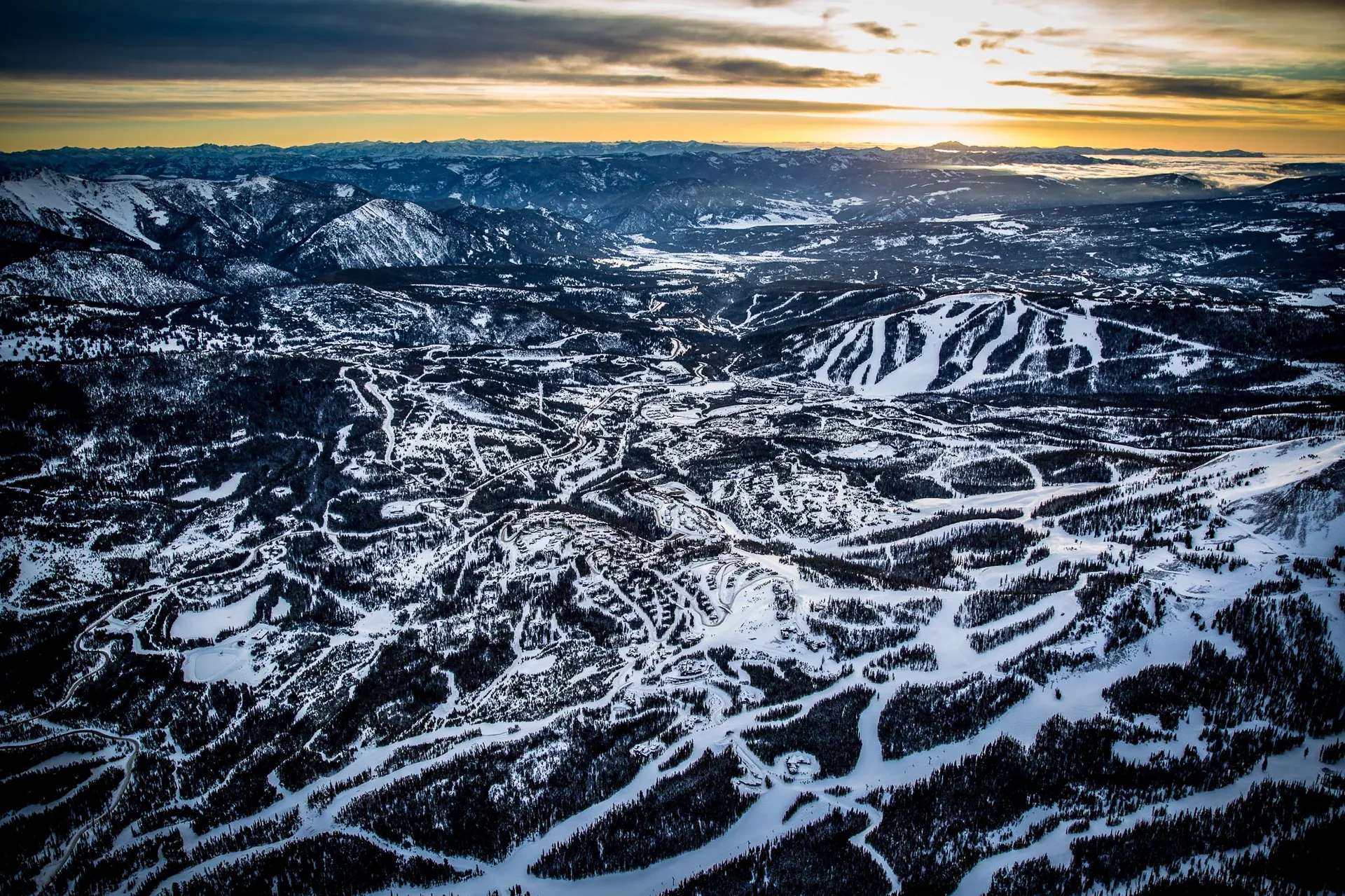
Photo: Chris Boyer
Every flight LightHawk takes depends on more than our volunteer pilots. It depends on people like you who make that work possible from the ground.
From monthly gifts to stock donations to employer matching, there are many ways to extend your impact beyond a single donation.
Visit our Ways to Give page to learn more about the option that's right for you.