
Two Days, Hundreds of Miles: Documenting the Current State of the Colorado River
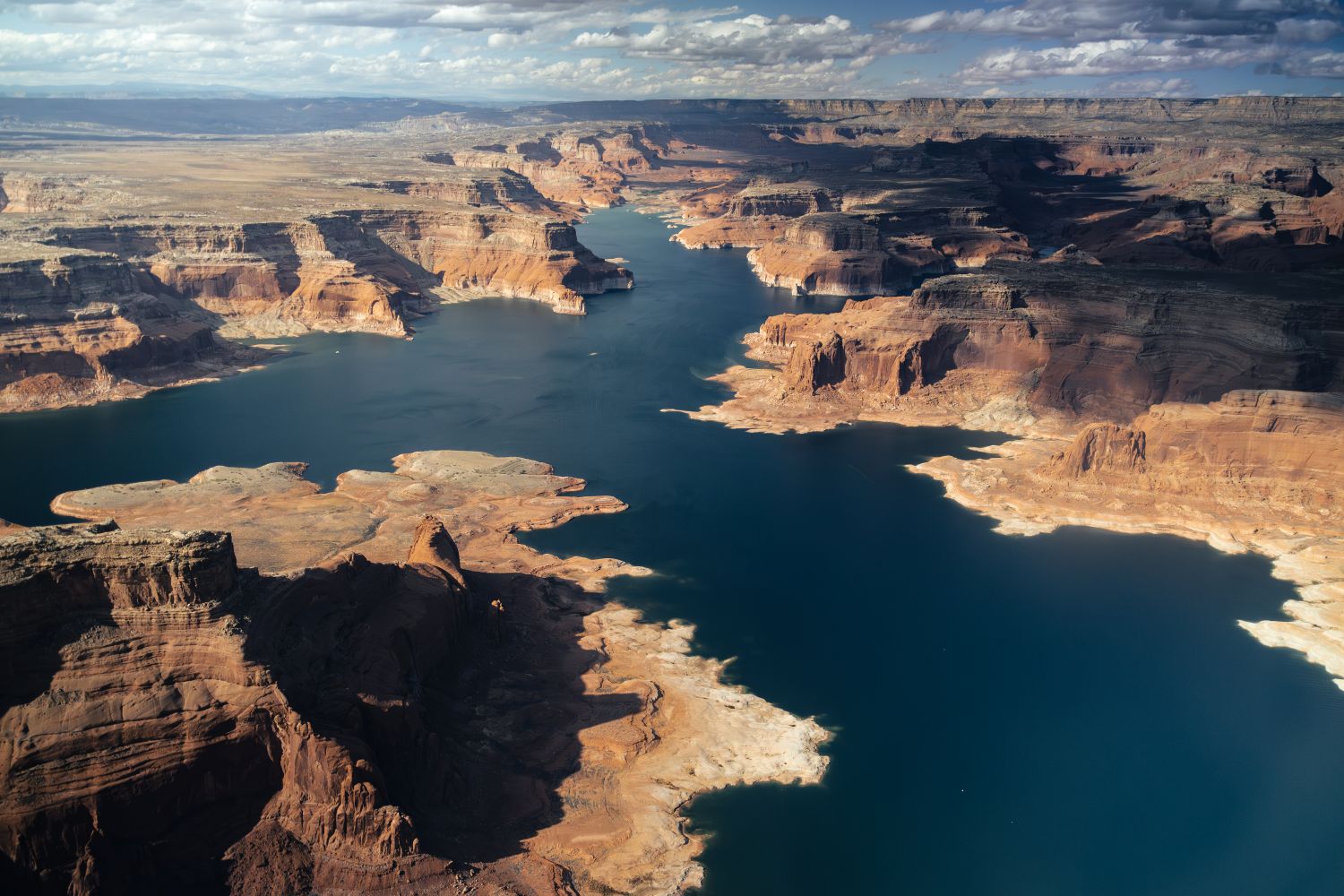
Flying over Lake Powell, one of the main reservoirs along the Colorado River for holding water millions depend on in the western United States. Photo: David Papineau | Pilot: Steve Meyer
The Colorado River is a majestic and essential waterway, flowing from the mountains of Colorado through several western states and into Mexico. Once, it reached the Pacific Ocean; today, the water rarely makes it that far. Water use along the Colorado is a complicated and often controversial topic, especially as millions of people, businesses, and wildlife rely on its flows.
LightHawk works with partners all along the Colorado River to promote conservation of this vital natural resource. In October, volunteer pilot Steve Meyer met up with Western Resource Advocates photographer David Papineau to collect imagery that would help people better understand the river’s current condition. Steve is one of LightHawk’s most active pilots in Western Colorado.
Before taking off, Steve spent time talking with David about his goals for the trip so he could make any needed adjustments to the flight plan. Steve knew that flying along the southeast shore of the river would give David the best lighting and the best chance at capturing clear, compelling images.
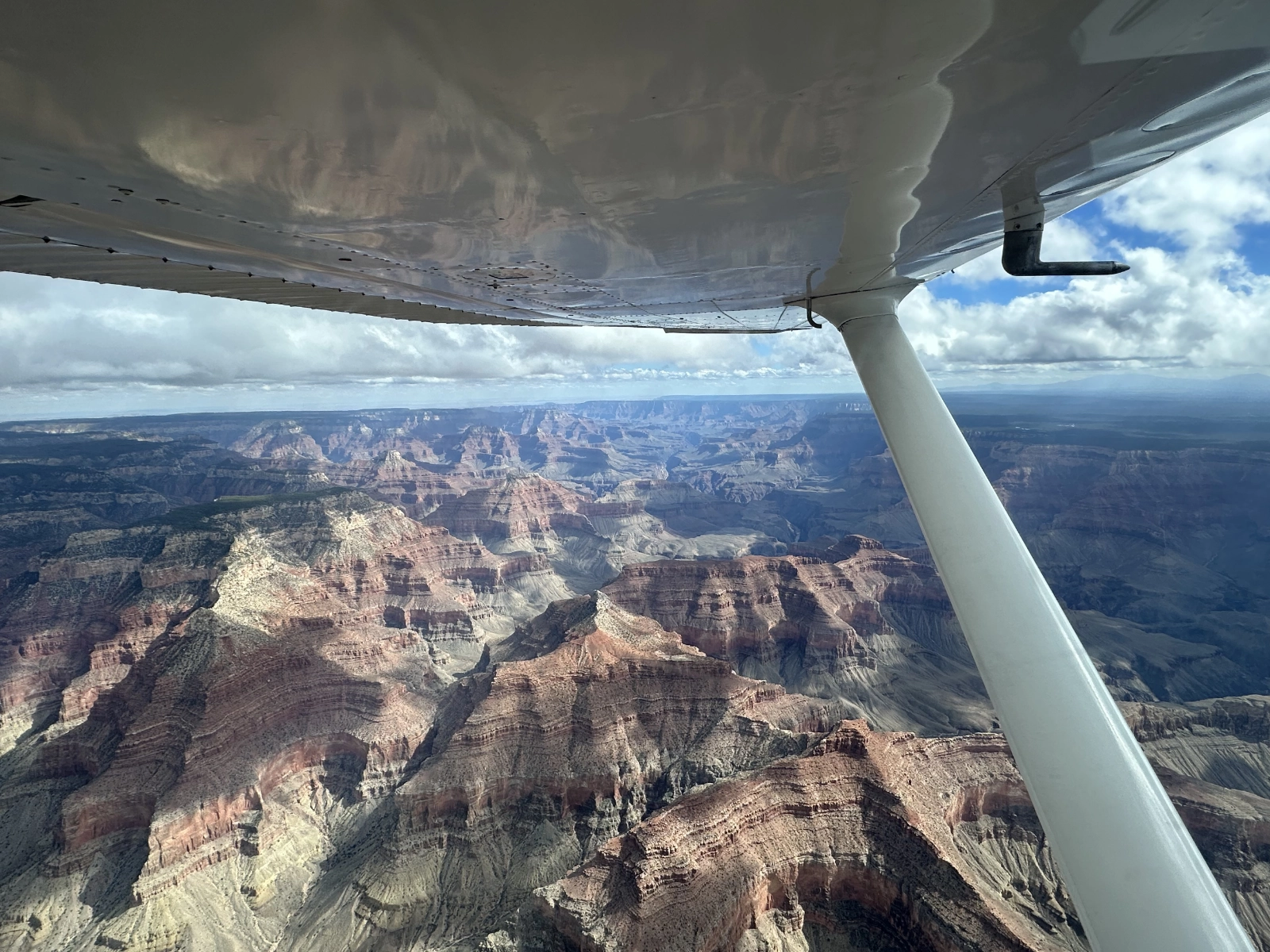
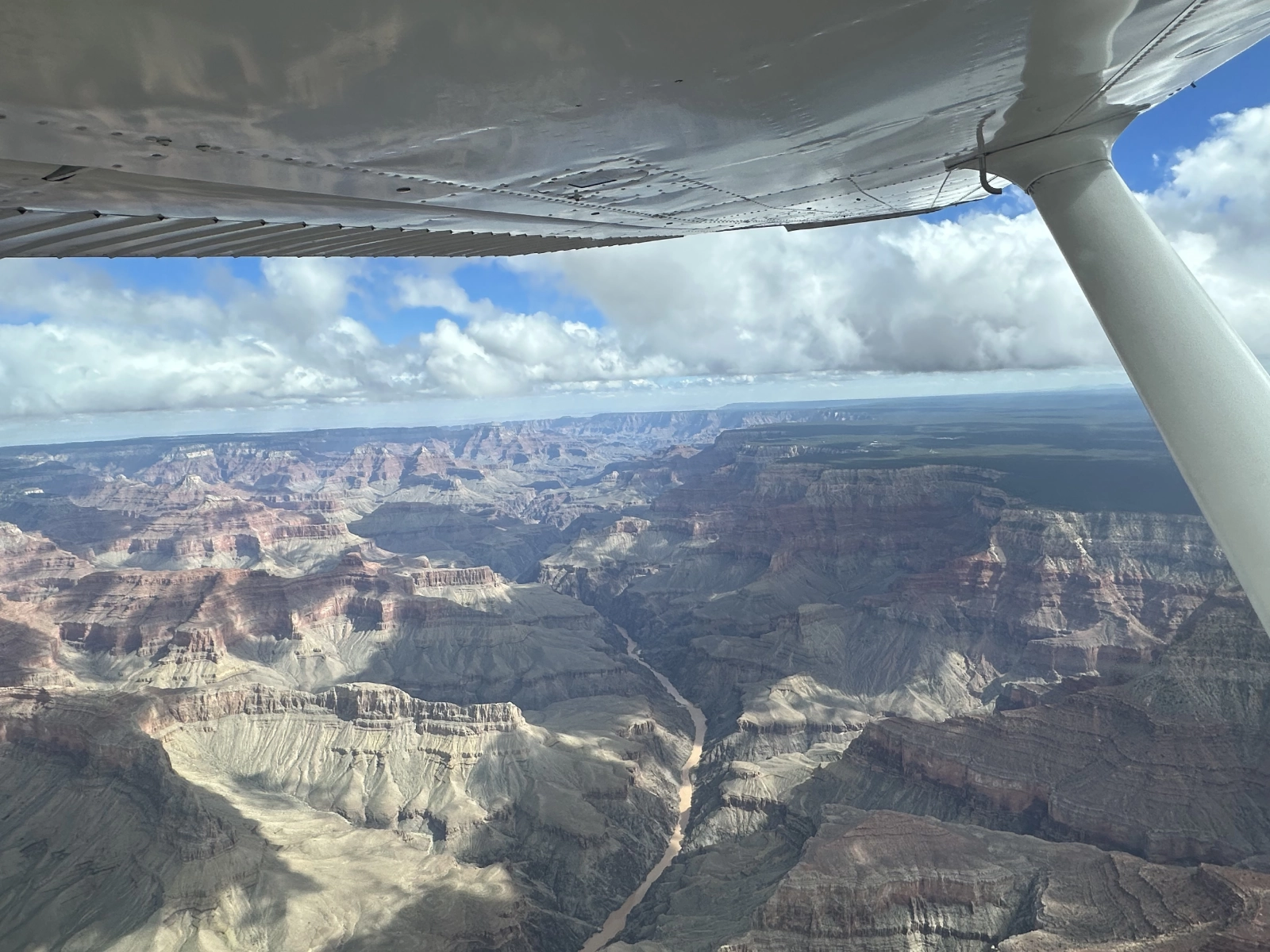
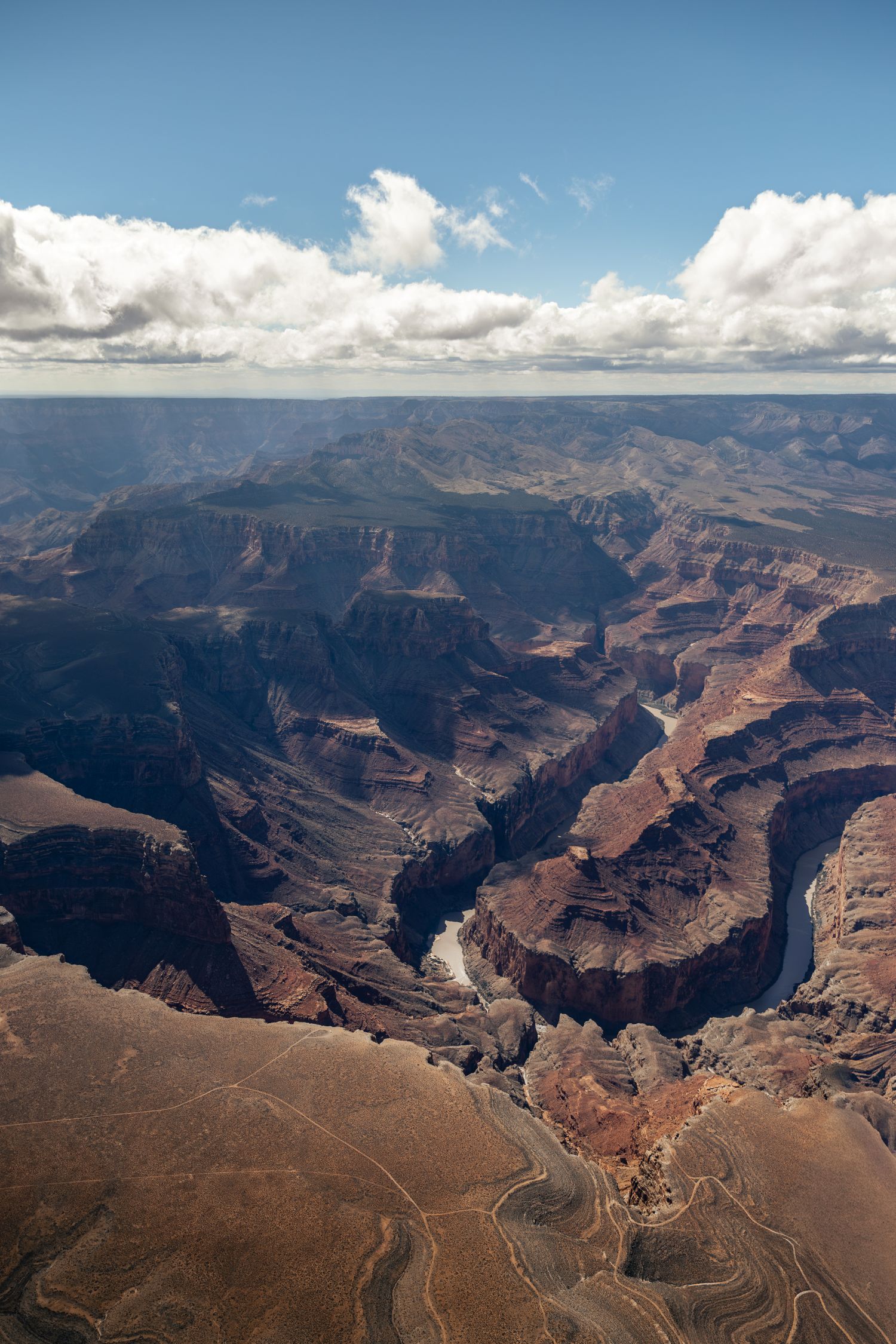
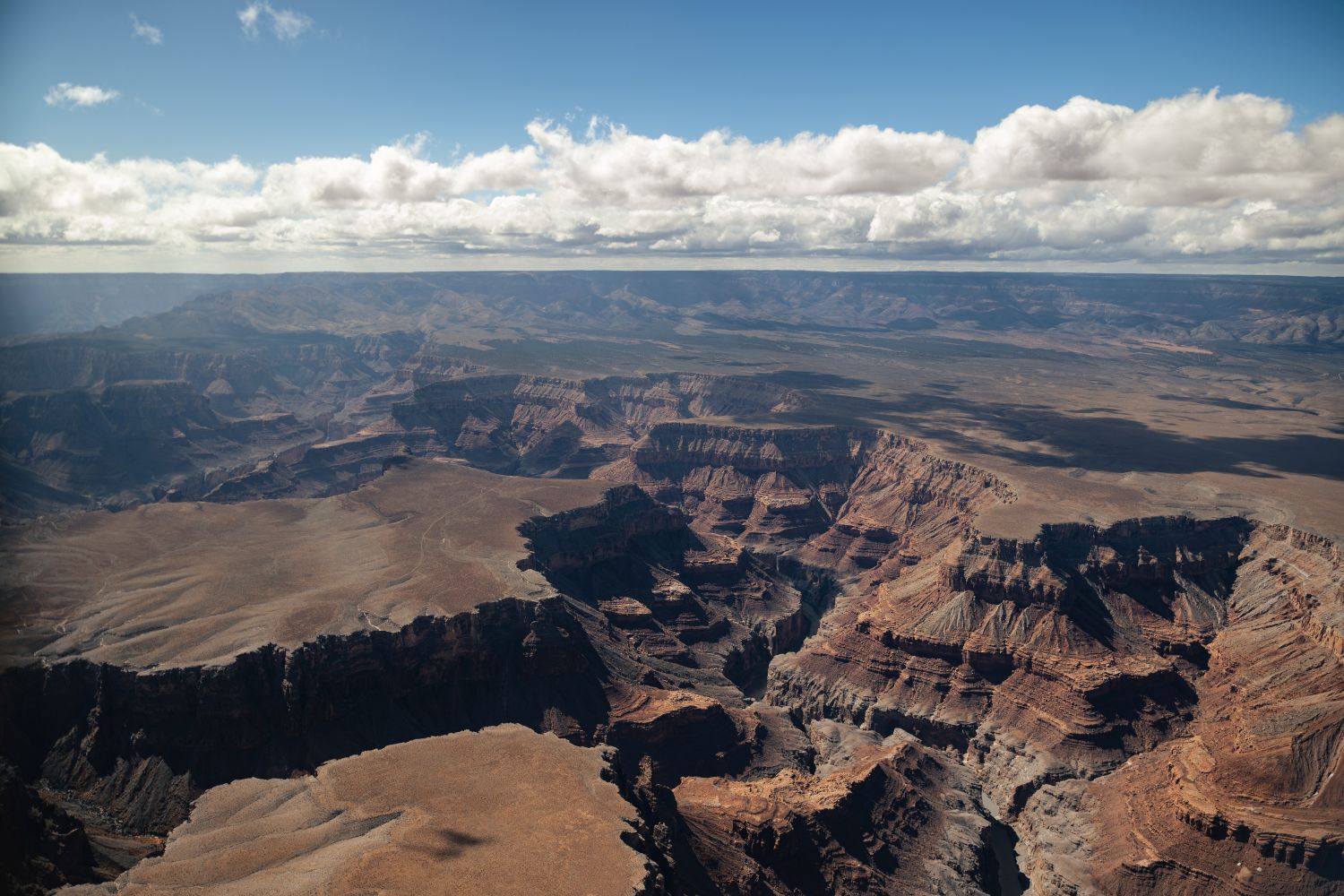
Flying over the Grand Canyon required careful planning by Meyer as regulations required him to maintain a specific altitude along a predefined route. Photo by Steve Meyer.
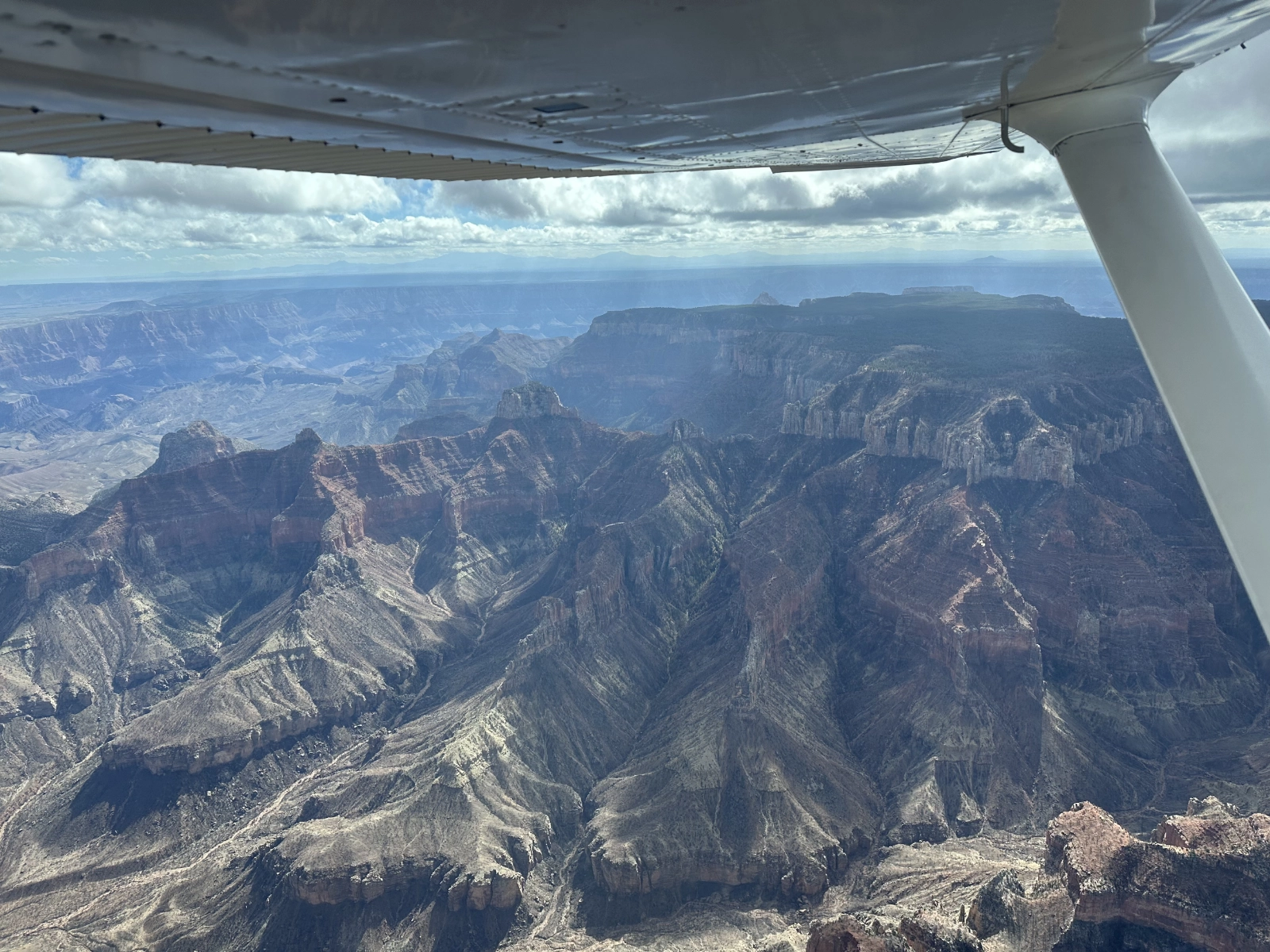
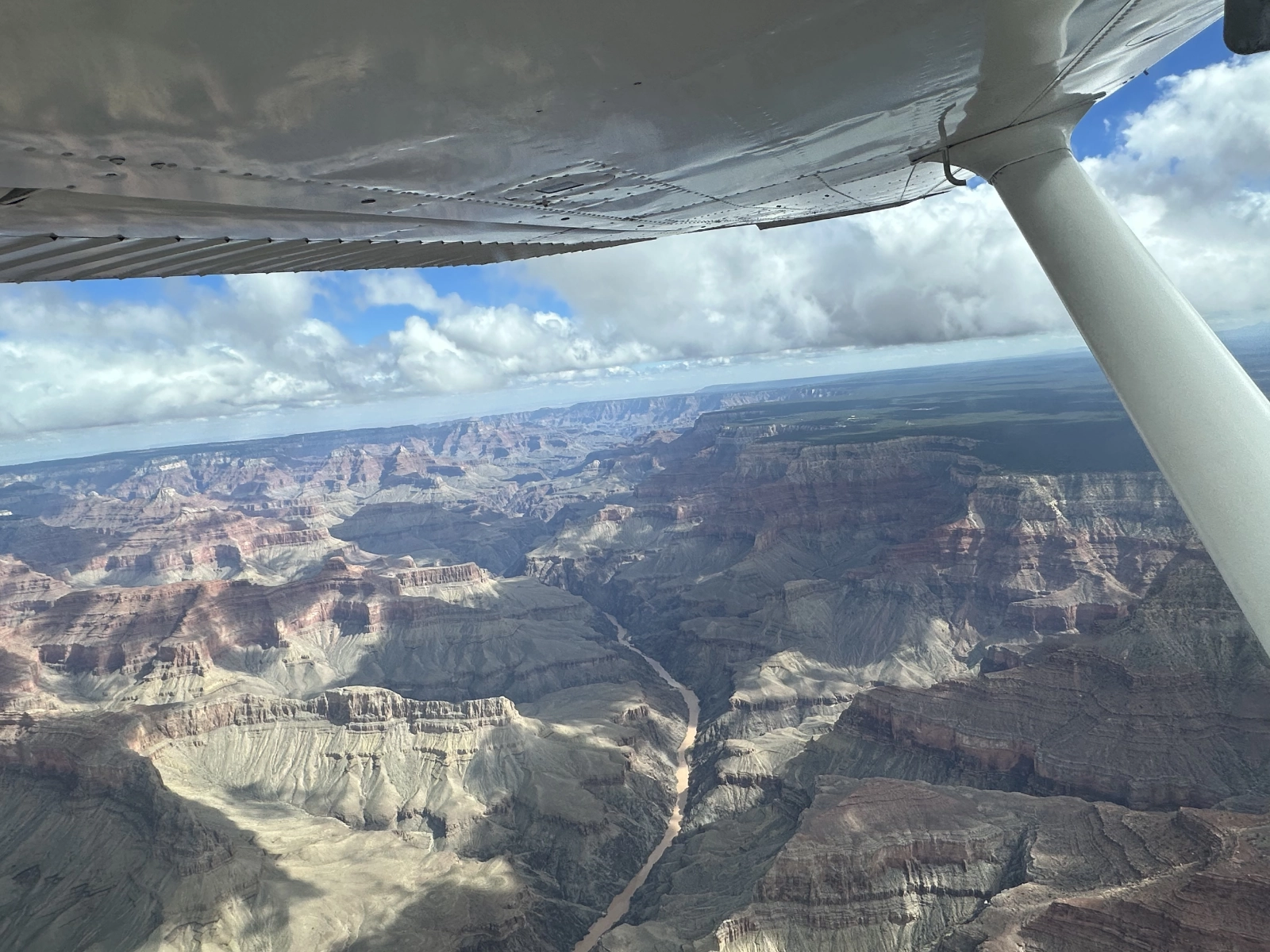
The clouds were just high enough for Meyer and Papineau to maintain their required altitude and remain under visual flight rules, allowing them to capture stunning imagery of the canyon. Photo by Steve Meyer.
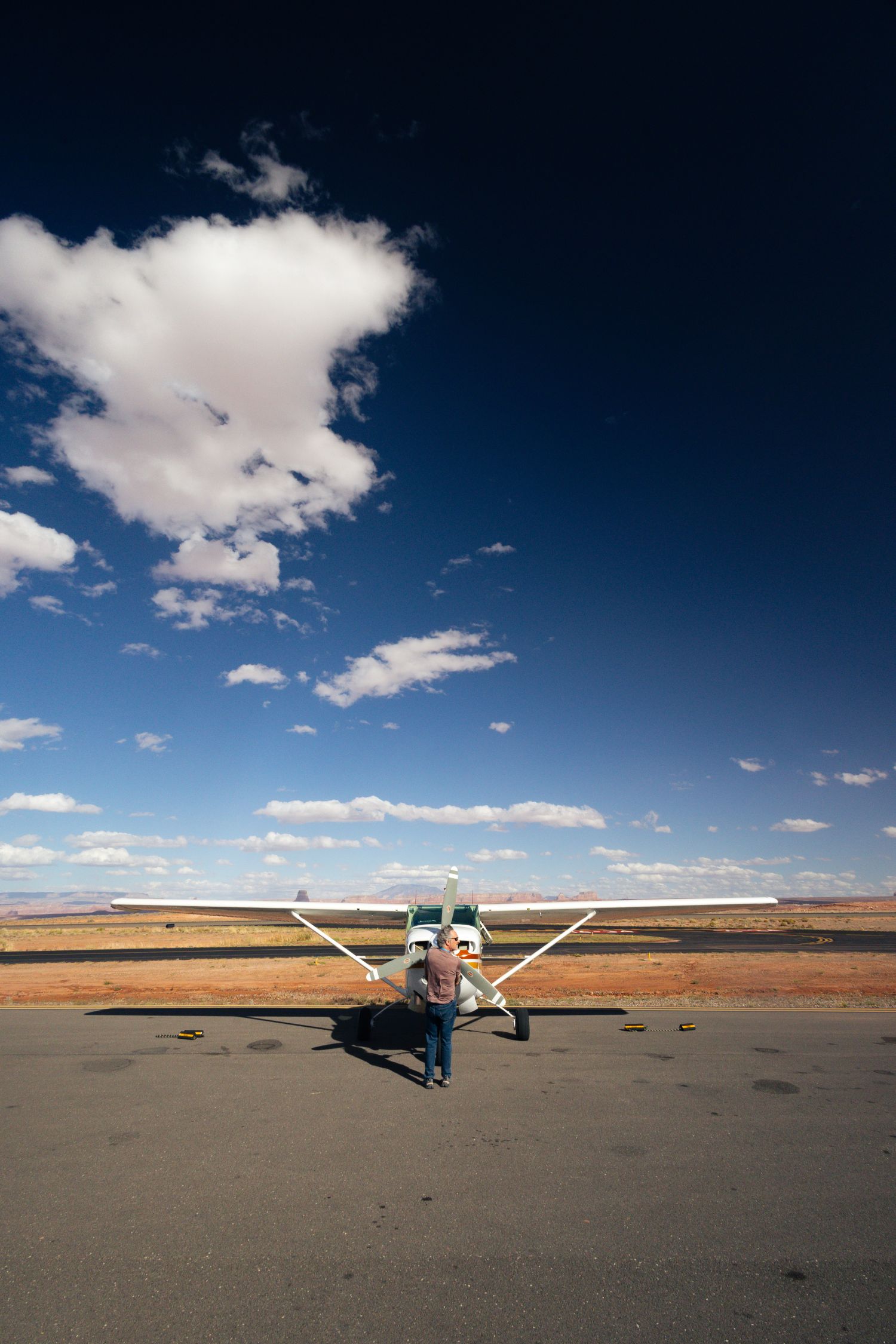
Departing from Colorado in Steve’s Cessna Turbo 206, they embarked on a two-day trip along the Colorado River through Utah, Arizona and Nevada, including some challenging route planning around the Grand Canyon.
Steve shared that they were fortunate with the weather along the flight path. Conditions were better than forecast and provided good lighting and safe conditions. He said, “We had to fly low. We had to stay under a broken cloud deck, but not too low. It was just perfect, really. And the photos, I think, probably came out nicely both days.”
On the first day of the flight, they covered Grand Junction, Canyonlands and the Lake Powell areas. The second day took them from Page, Arizona to Las Vegas, including a segment over the Grand Canyon.
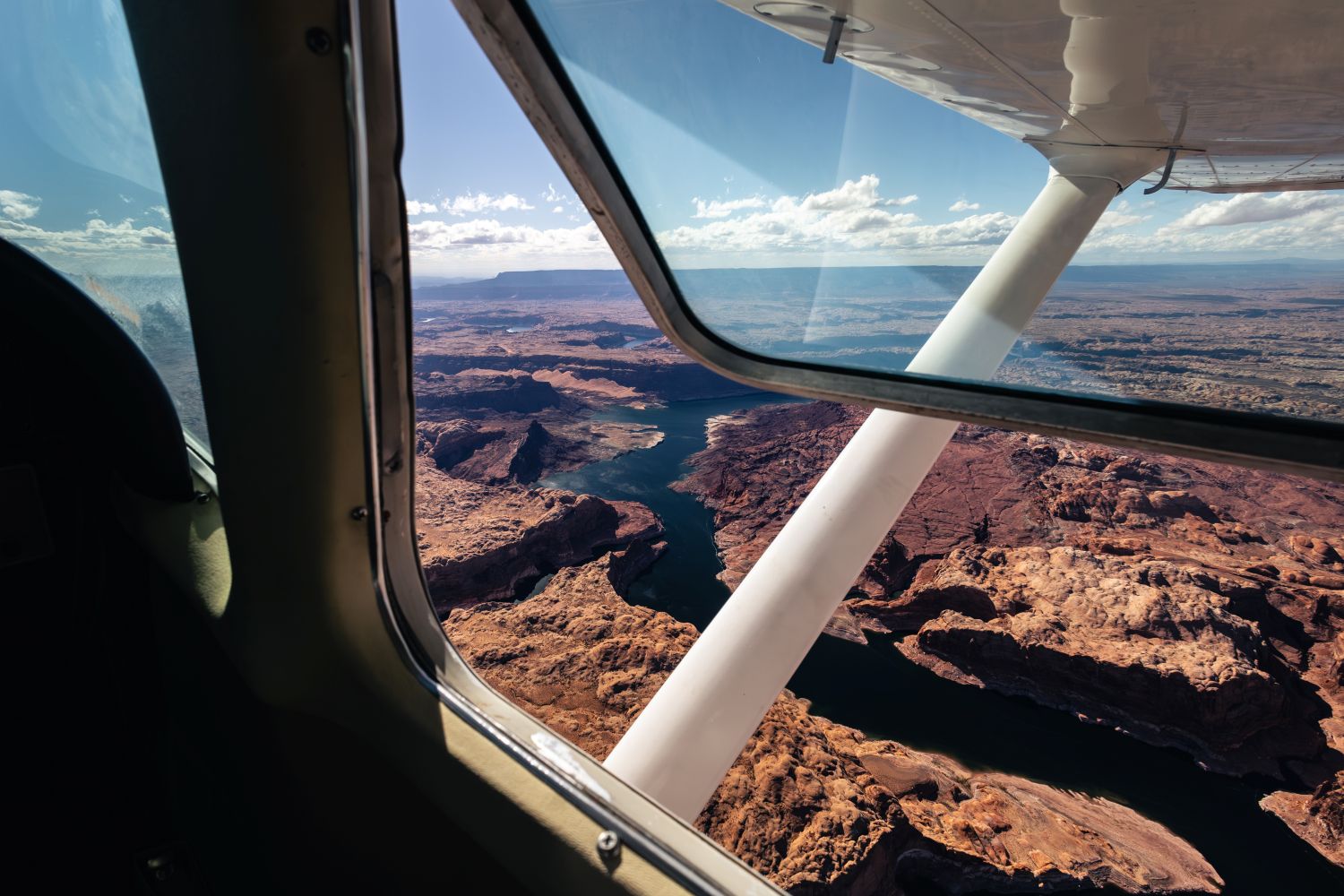
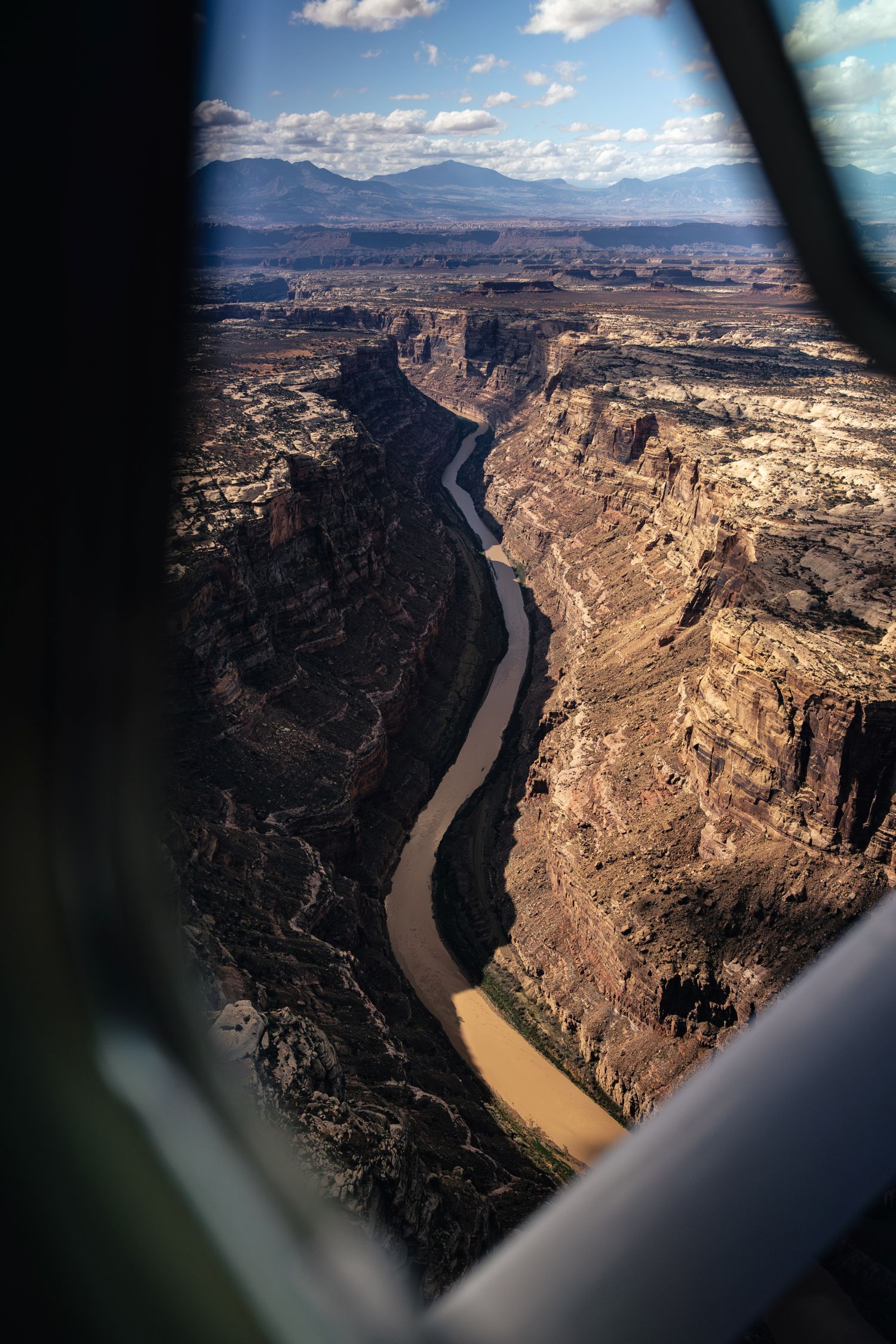
Looking out the plane window at the aerial perspective above the Colorado River. Photo: David Papineau | Pilot: Steve Meyer
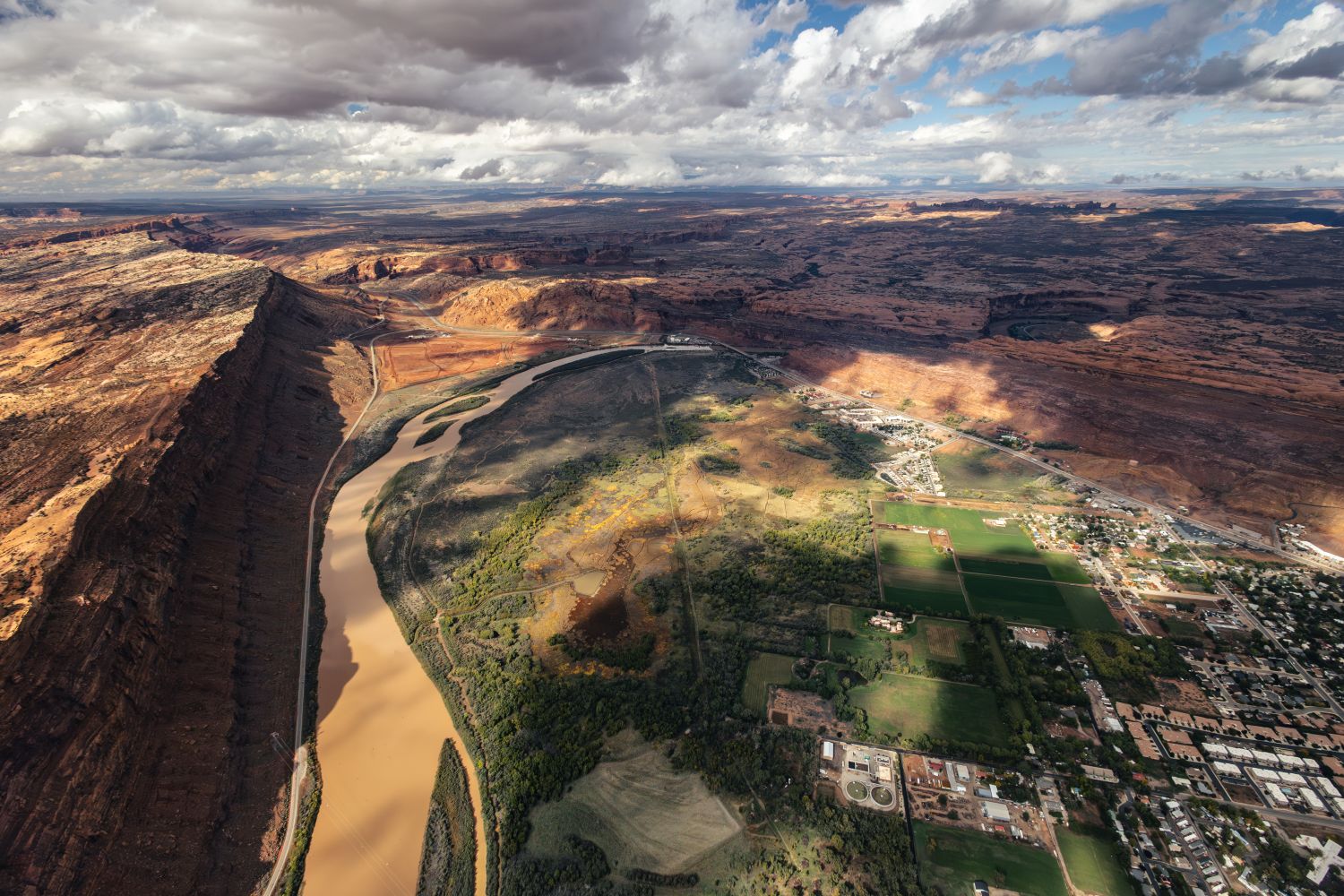
Communities along the Colorado River depend on it for fresh water. Photo: David Papineau | Pilot: Steve Meyer
The Grand Canyon segment presented its own challenges. Flight rules required them to stay at a minimum altitude of 10,500 feet, but the clouds were sitting at 11,000 feet. That left a narrow window to remain within regulations while staying out of the clouds. They followed the established flight corridor and were still able to capture stunning imagery of the canyon along the way.
As they approached Las Vegas, Steve encountered a final hurdle. Local airports were requiring landing reservations due to a large event that had created congestion. Fortunately, he anticipated the issue while still in Page, Arizona and secured approval to land, allowing them to wrap up the trip without delay.
Asked why he continues to fly for LightHawk, Steve shared, “For me, flying is certainly a hobby, and to do it well, you need to keep flying. I am sure that is why other LightHawk pilots fly too. You need an excuse to fly, and you need a purpose to fly in order to get in that plane and burn airtime and AV gas. These trips are fun for me because they keep me flying and keep my brain working and being a good pilot. That is the gift that LightHawk gives back to me.”
The flight captured stunning imagery and has already been featured in a post on CoyoteGulch.blog discussing the current state of the Colorado River and the need to modernize the agreements that govern its use throughout the West. Coverage like this brings attention to the conservation needs along the Colorado River and moves people to take action to protect this vital waterway and the communities that depend on it.
Photos by Steve Meyer and David Papineau.