
San Diego Fly-In Brings LightHawk Volunteer Pilots Together
Written by Jim Becker
LightHawk held the first of our 2026 Regional FlyIns in San Diego and it was a smashing success, enjoyed by all who attended.
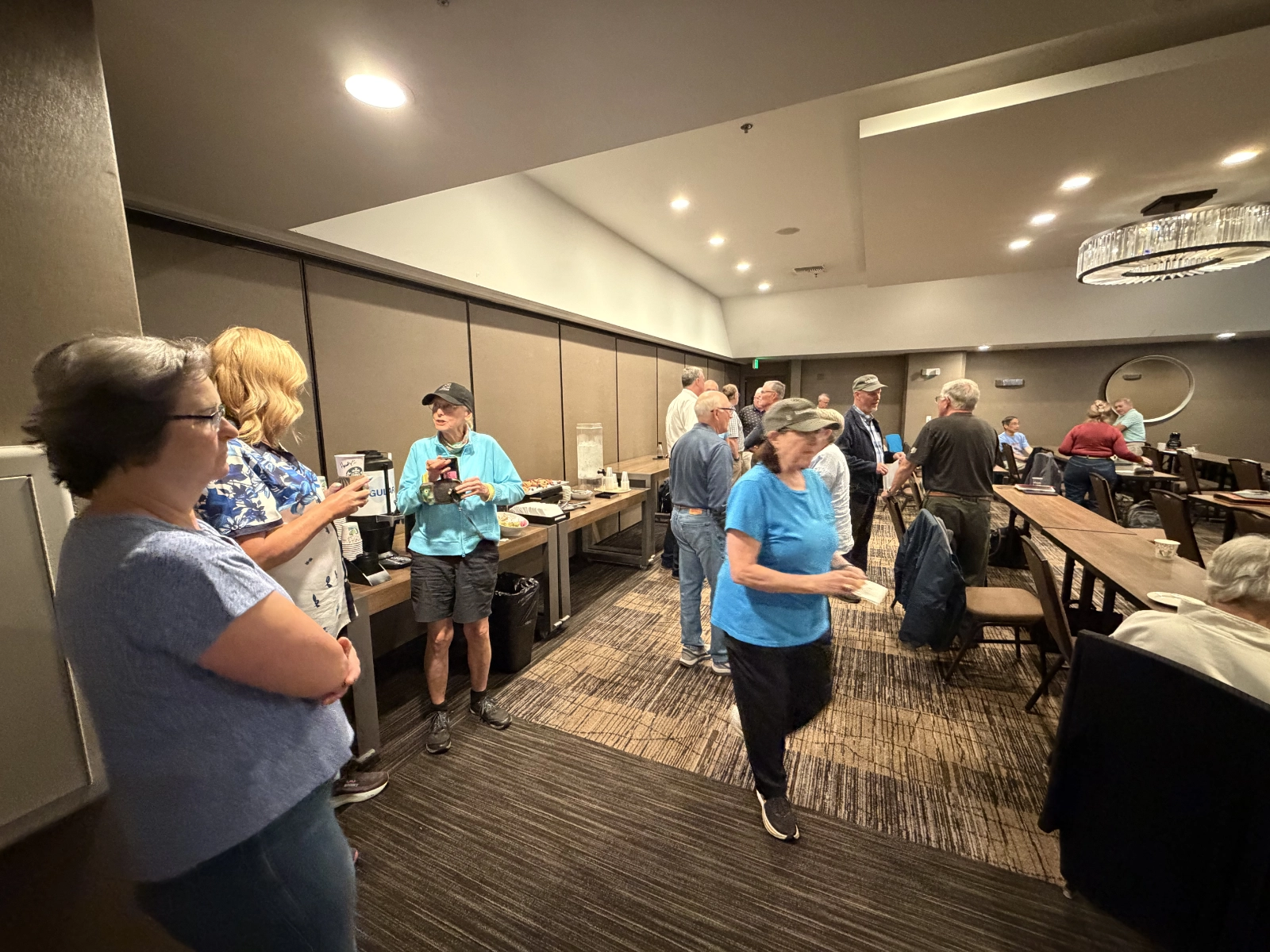
The gathering started Friday May 8th at the Hilton Garden Inn in San Diego. Several pilots flew into nearby Montgomery-Gibbs, KMYF, which was just a few miles from the Hilton. Pilots and several spouses gathered during the afternoon and happy hour commenced at 5:00. The discussion ranged from what is happening with AOPA to the hockey playoffs (in Southern California??), to the price of avgas and to comparison of the many LightHawk missions this group of pilots has flown. The camaraderie of this group of experienced and motivated aviators was clearly evident. Dinner followed at the Hilton and while the size of the group strained the capacity of the kitchen, it gave us more time to enjoy each other’s company.
In all, 24 registered for the FlyIn, including several who registered a day or two before the event. Pilots from California and the Southwest attended. Board members: Will Worthington, Evan Anderman and Ben Cohen were there with Evan flying commercial from Denver and Ben riding Delta in from Boston. It was a great mix of pilots with both some of our longest serving and some of our newest Volunteer Pilots showing up. Evan Anderman is overseeing our Regional FlyIn program and Mike Jesch arranged for both the tour of the SoCal TRACON and one of the speakers, Barry Knuttila. Of course, the Western Program Manager, Betsy Daub was there. Chelsea Baird, LightHawk’s Office Manager and chief administrator did her usual excellent job finding the hotel and arranging the logistics.
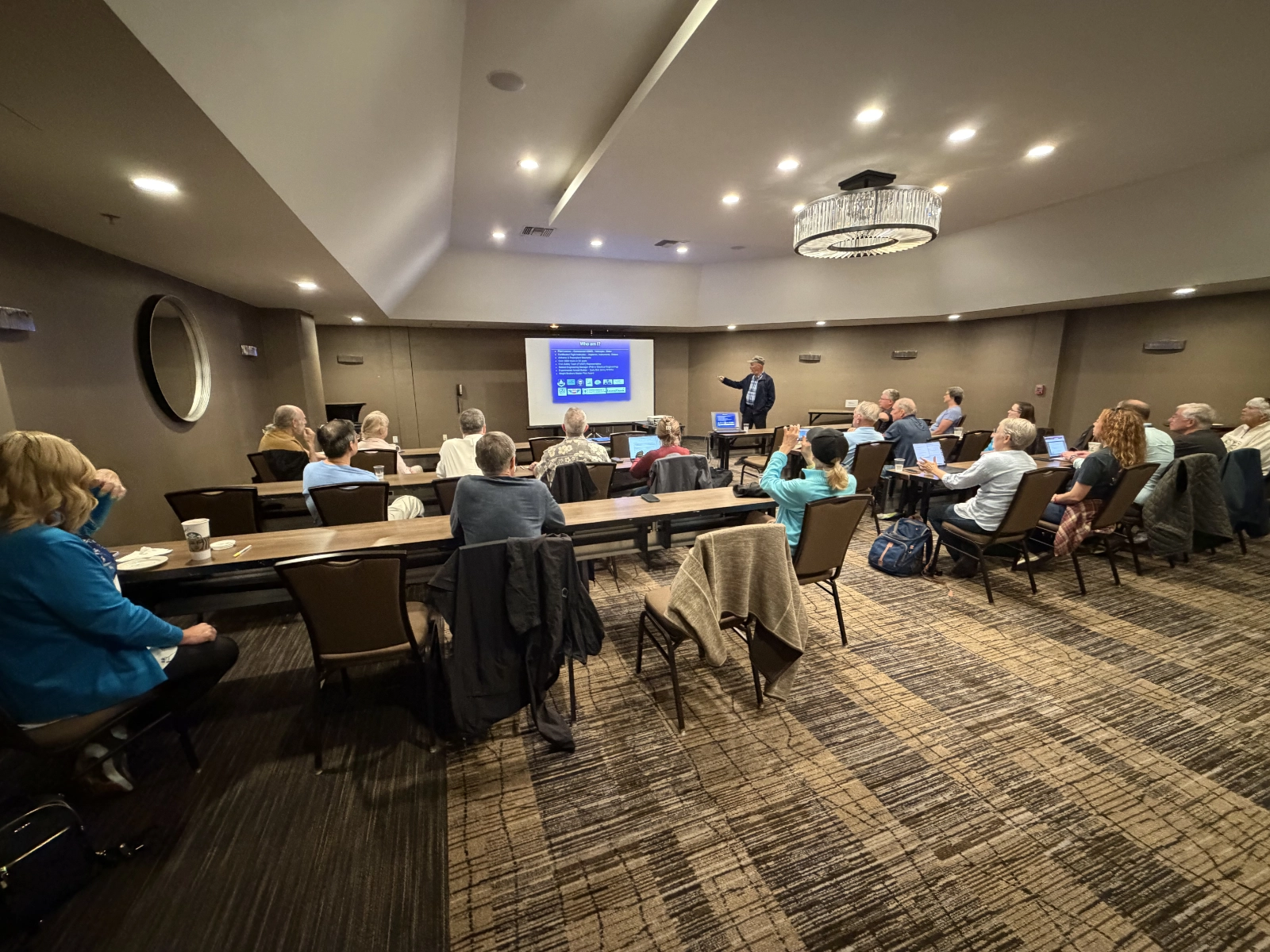
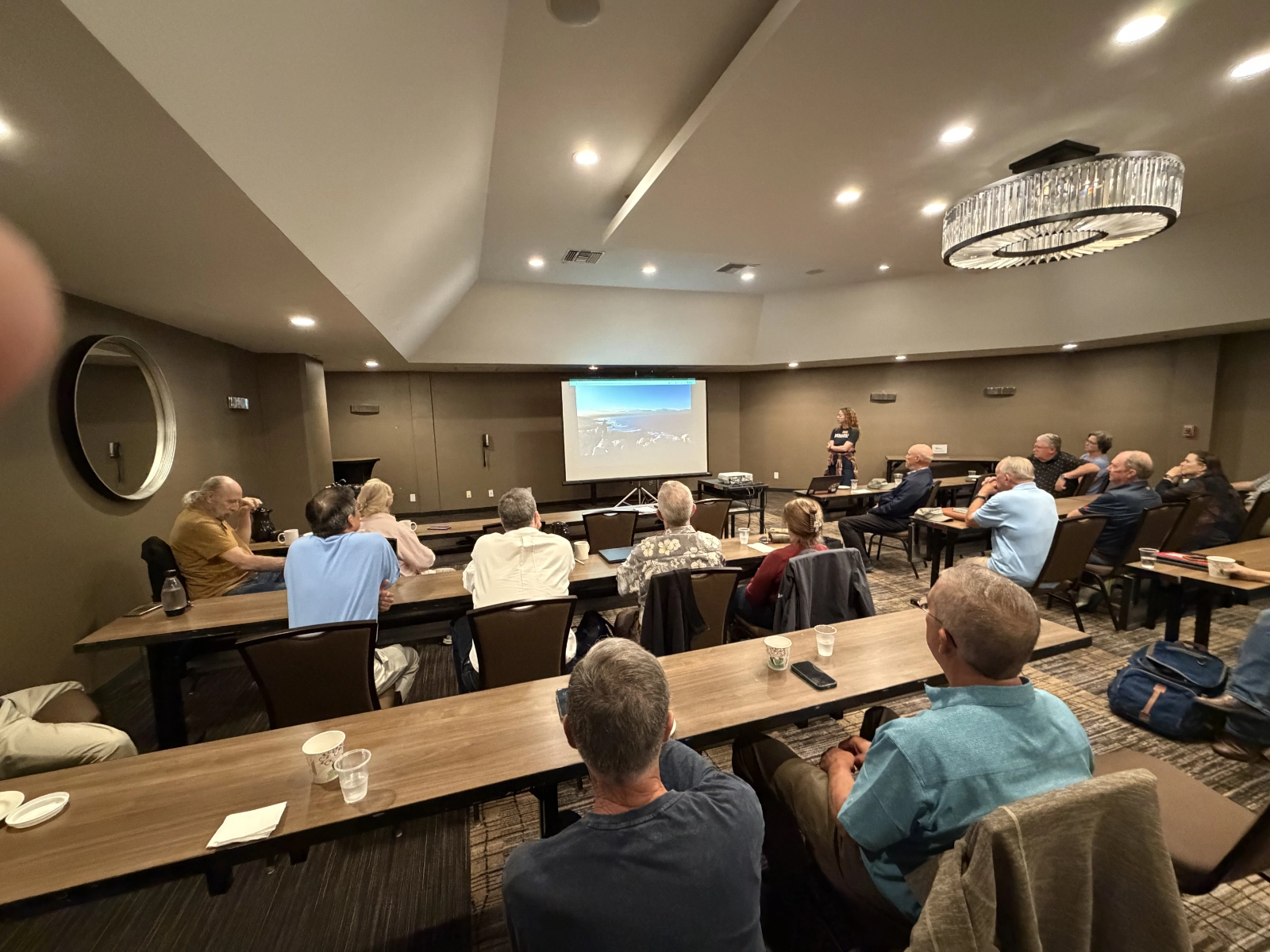
Some conversations went late into Friday evening, but most of us turned in early to be ready for the main event on Saturday which was split between three speakers in the morning and a tour of the SoCal TRACON in afternoon. Both parts of the day turned out to be exceptional.
The first speaker was longtime LightHawk Volunteer Pilot Rhon Williams. Rhon is a FAASTeam member and involved in several aspects of GA safety. You may remember the great presentation on risk analysis that Rhon did at the Bend OR FlyIn. This time Rhon’s topic was aging pilots; something that is of strong interest to a good portion of LightHawk’s Volunteers. Rhon discussed many of the physiological and psychological effects of aging and how they can affect a pilot’s performance. The more encouraging part of Rhon’s presentation was how to prevent and mitigate some of these problems and continue to be a safe and effective pilot. The discussion continued well into the coffee break after Rhon’s talk.
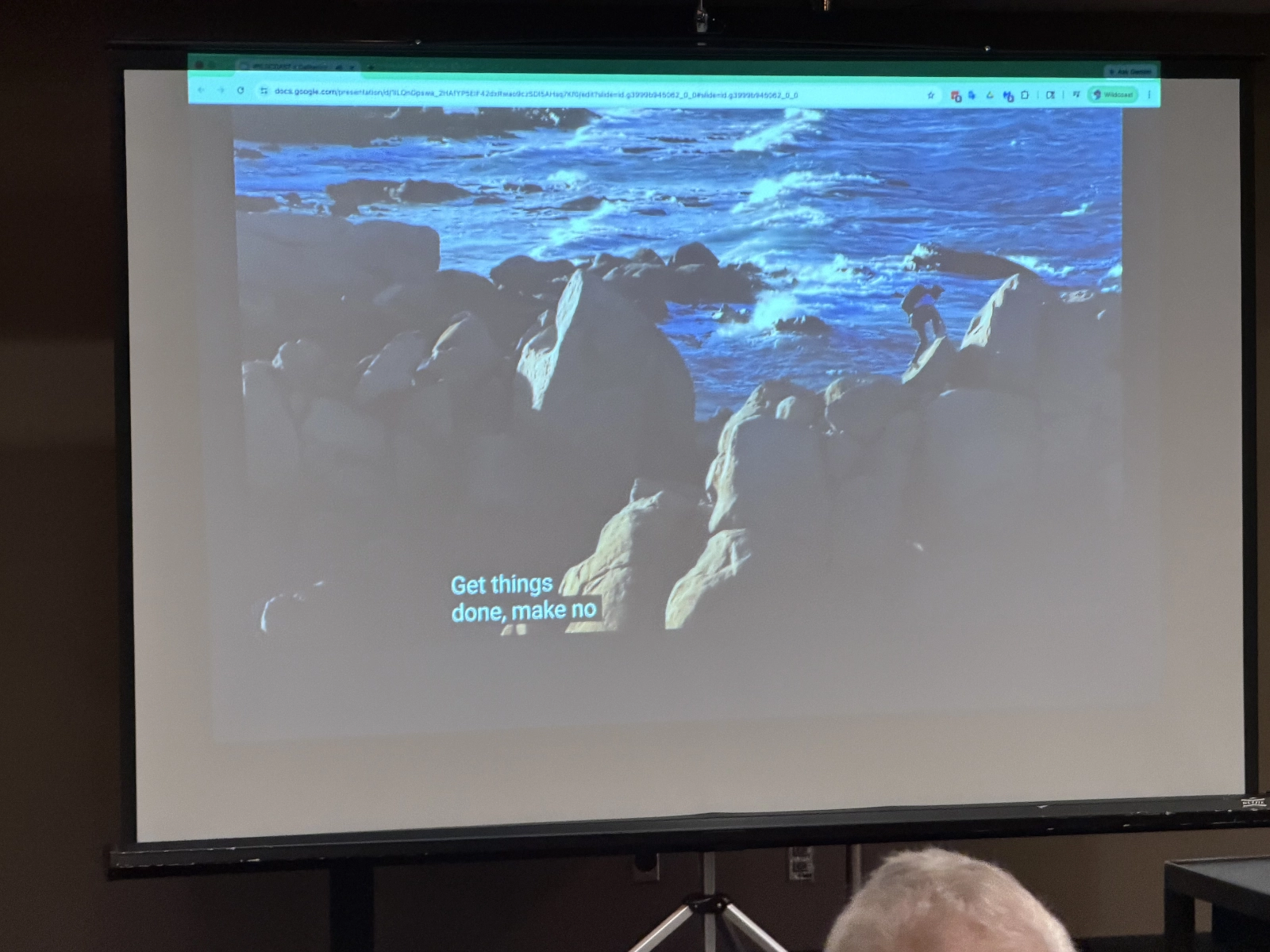
The next presentation was given by Anne Middleton, the Associate Director of WILDCOAST COSTASALVAJE, a long time conservation partner with LightHawk. Anne talked about the various projects WILDCOAST is working on to conserve coastal and marine ecosystems and address climate change. LightHawk had worked with WILDCOAST when the California Marine Protected Areas were established and supported some of their work in Baja, Mexico. Anne is also a guitar player and talked about her role in stopping the illegal logging of ebony that was decimating protected forests in Africa. Anne is an excellent presenter, and it is always encouraging to hear of successes in the conservation world.
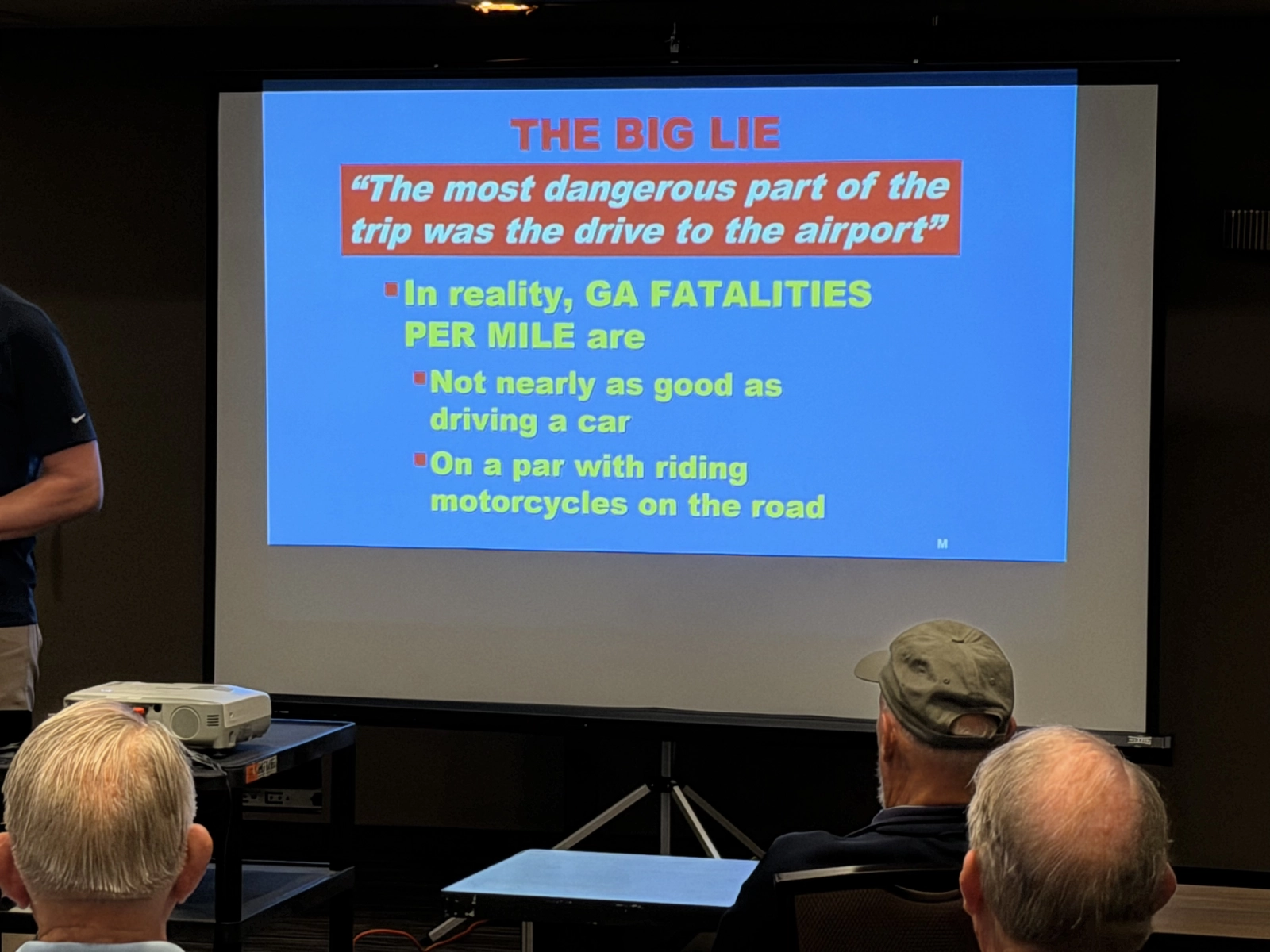
Barry Knuttila, the CEO and part owner of King Schools, Inc. gave the third talk of the morning discussing various aspects of aviation safety. Almost all the Volunteer Pilots in the room have taken at least one King School course so it was great to hear from the guy at the top. Barry started by disproving the old saying, “driving to/from the airport is the most dangerous part of the flight”. Barry presented data that General Aviation’s safety record is barely as good as that of motorcycle riders. Sobering indeed. Barry described various procedures to improve safety including the IMSAFE and PAVE mnemonics. Again, the discussion continued long after the presentation. We really appreciated Barry taking time for LightHawk on a Saturday morning.
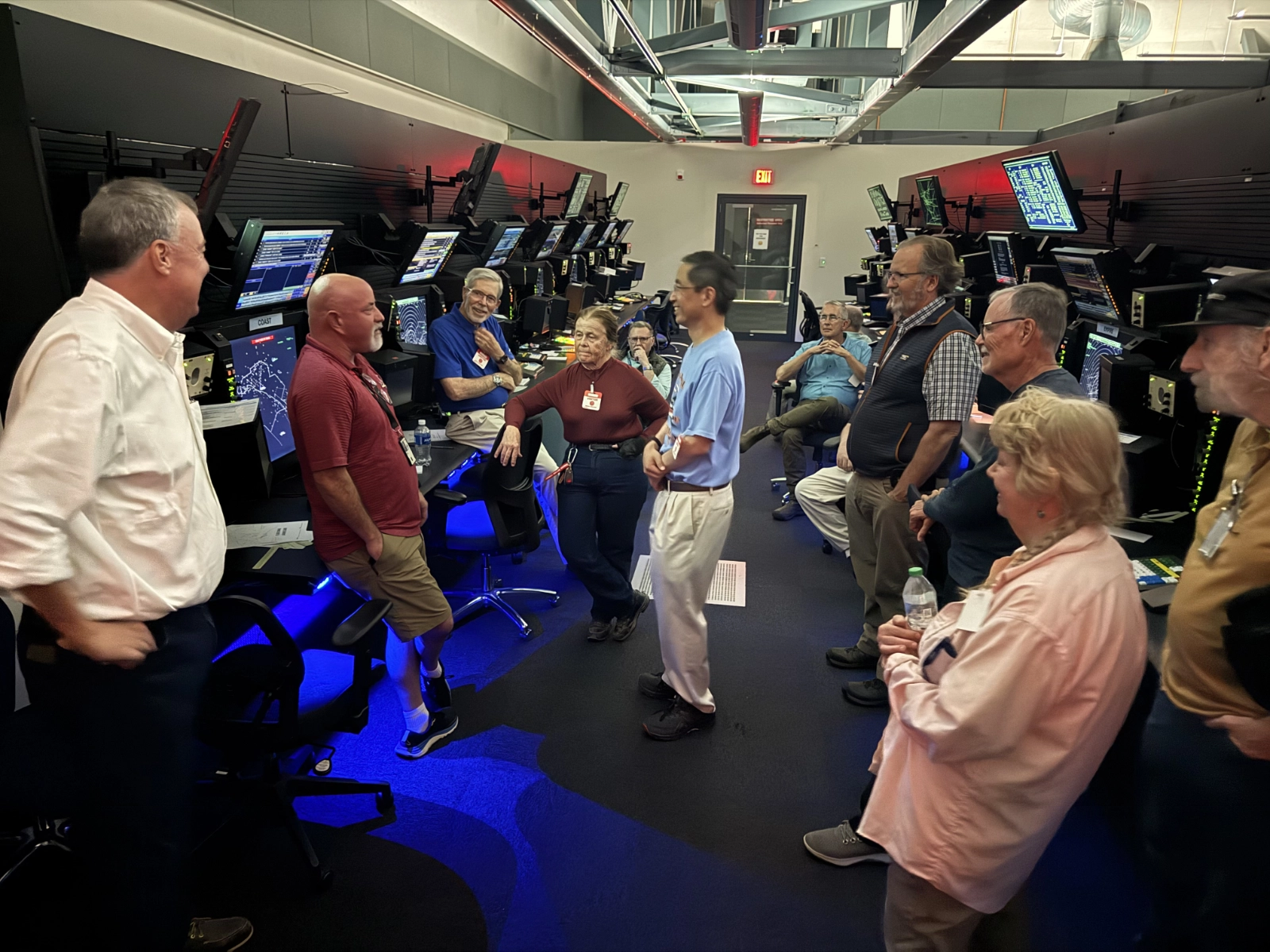
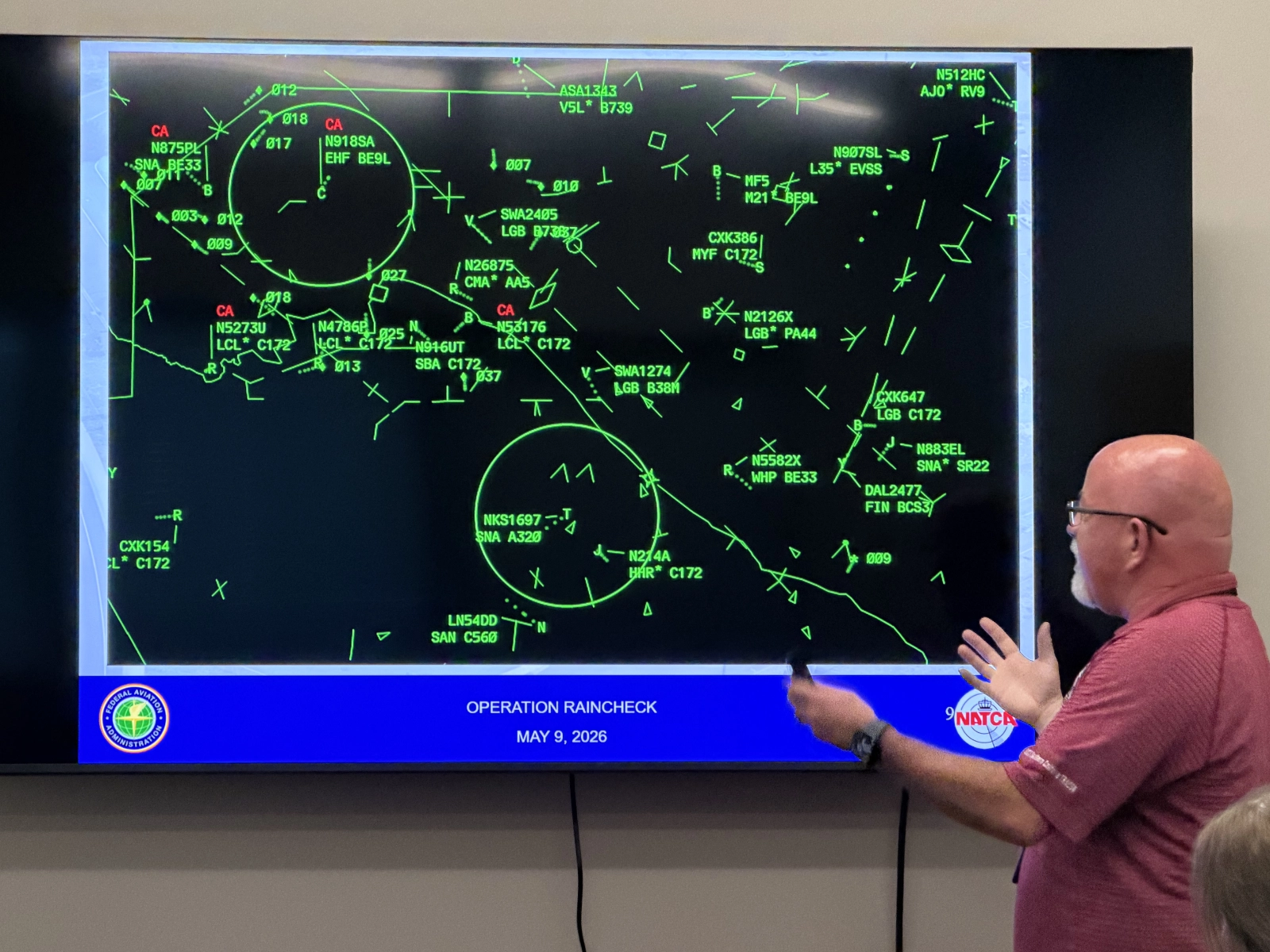
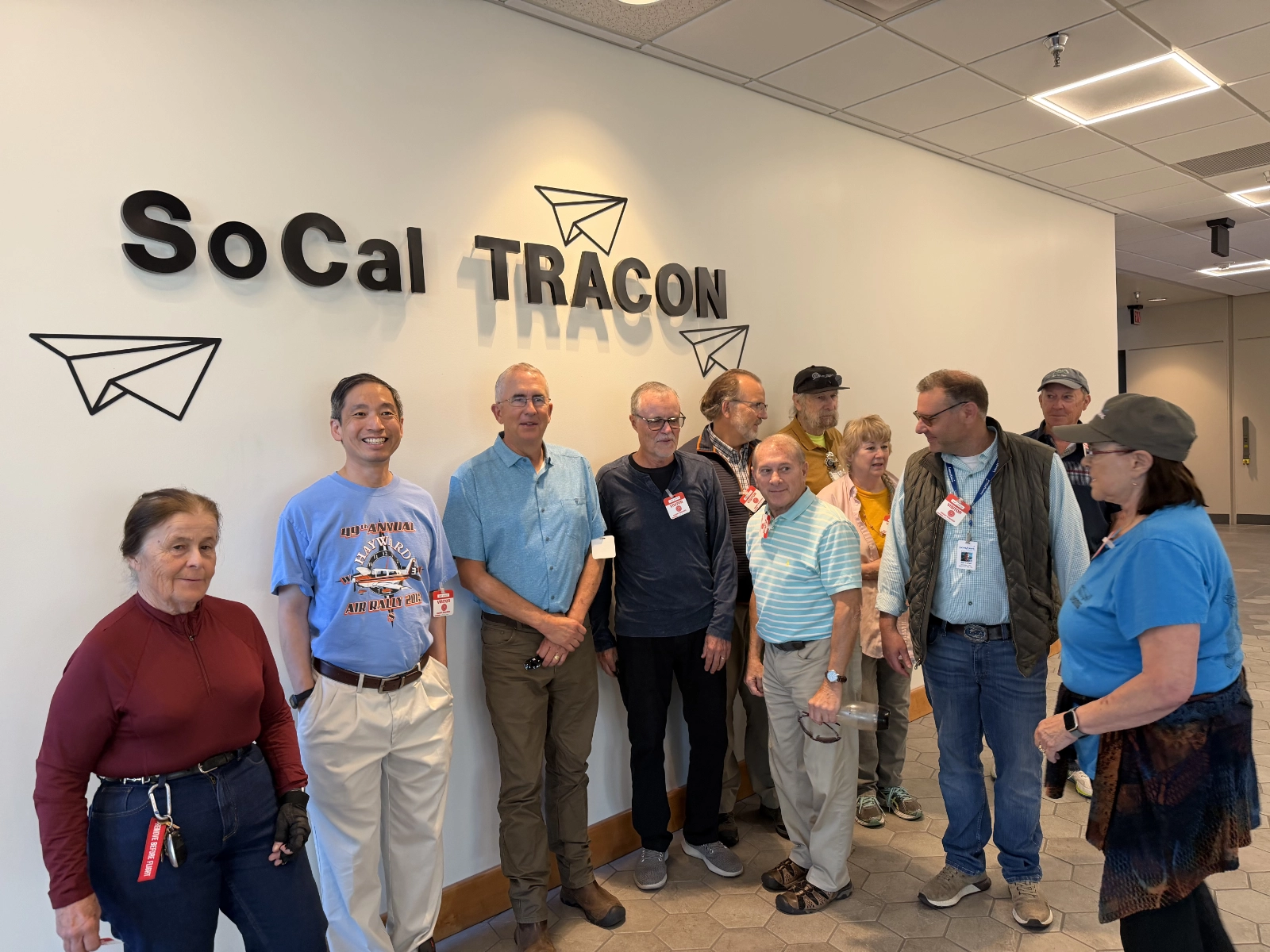
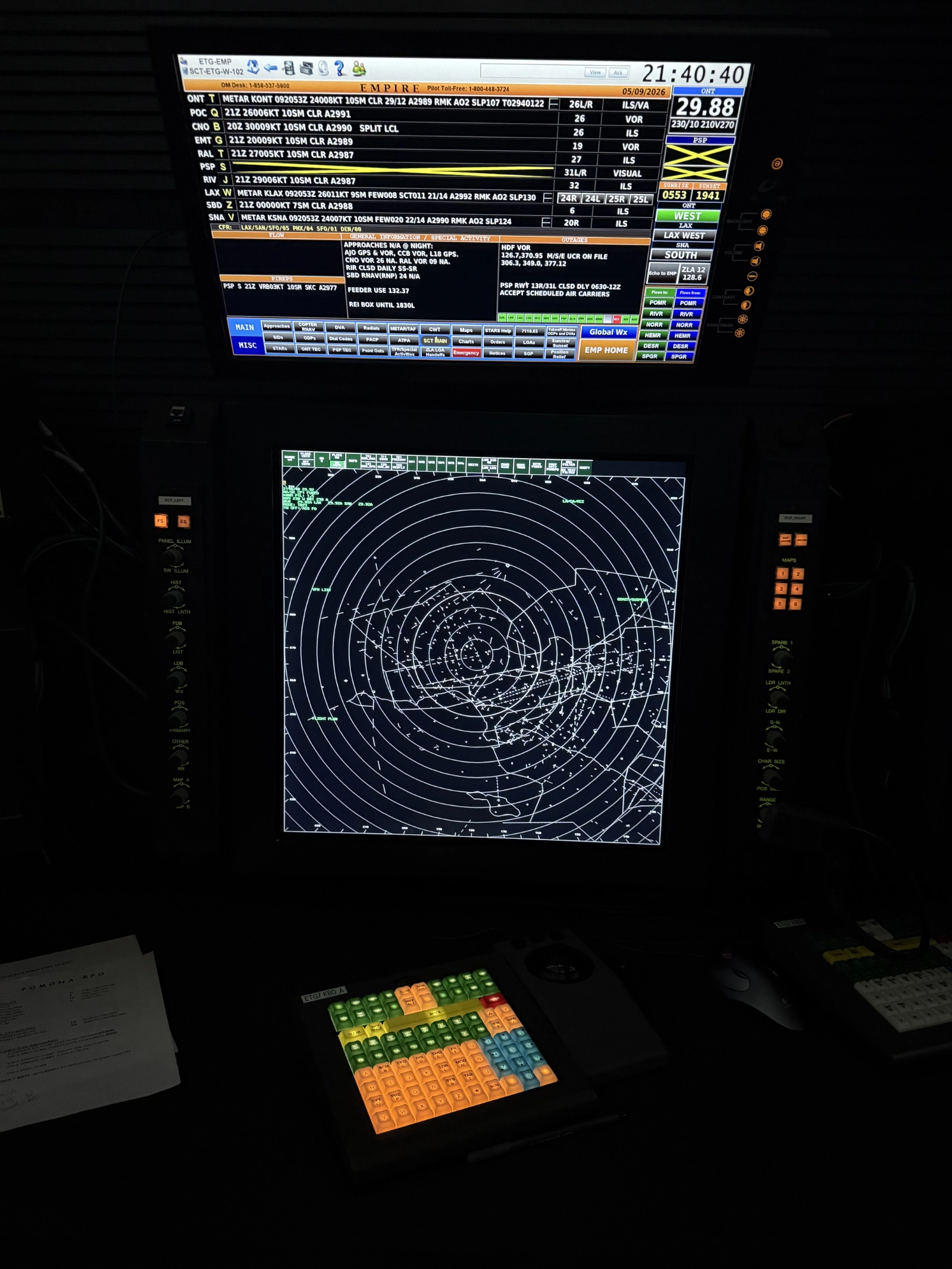
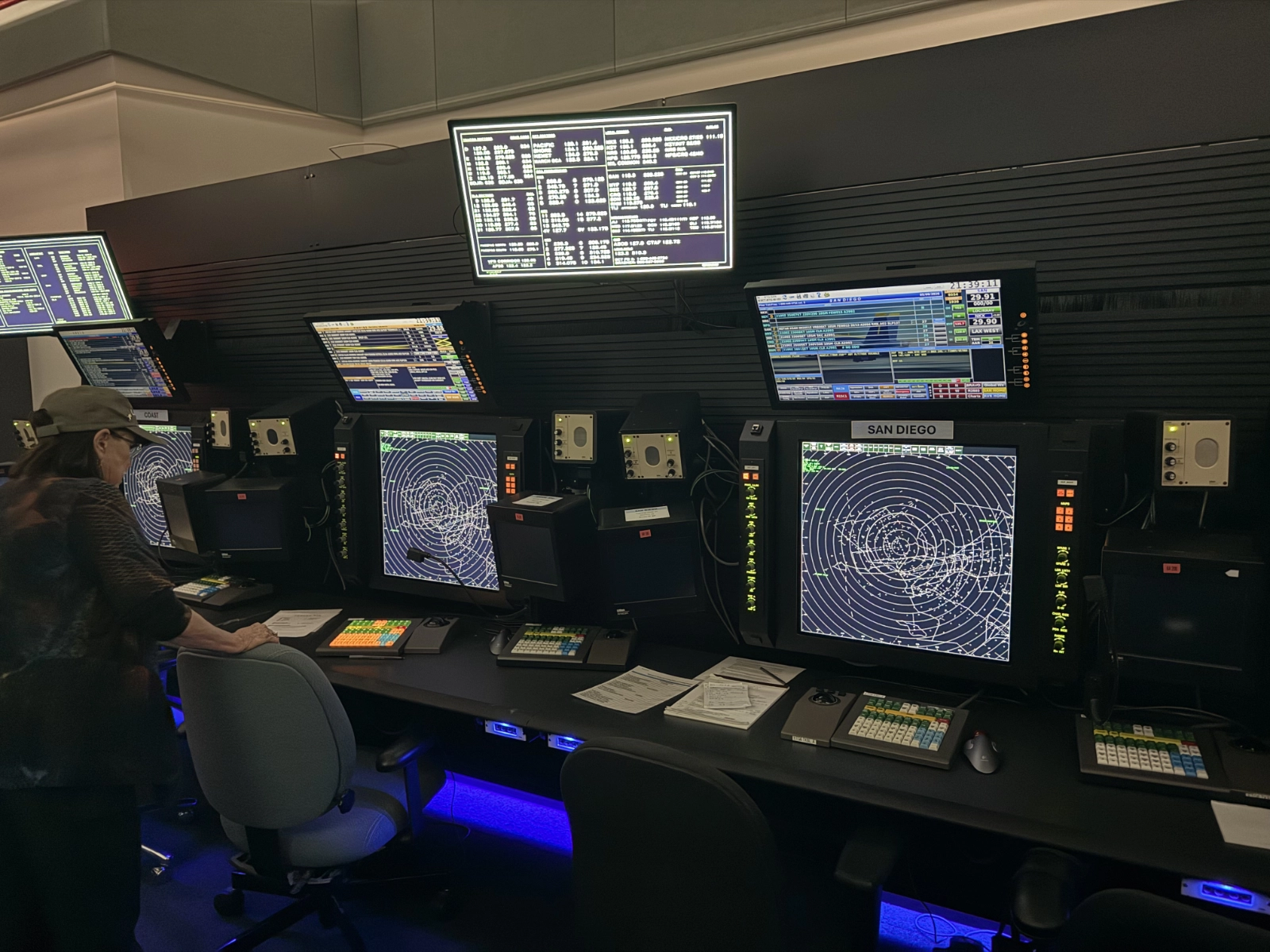
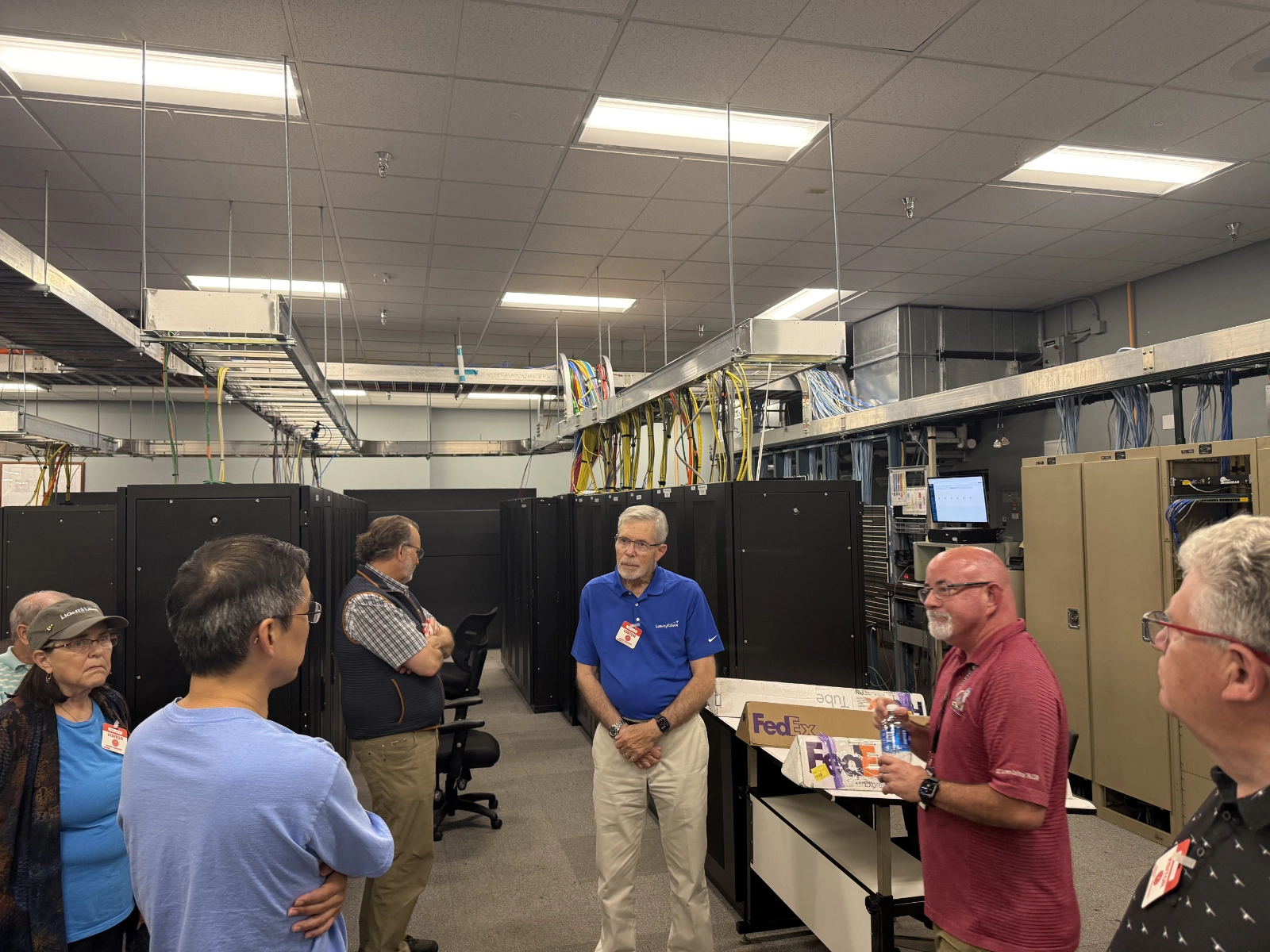
After a gourmet box lunch, we drove to the Southern California TRACON, SoCal, which is the busiest TRACON in the United States, perhaps in the world, handling over 2.2 million aircraft operations annually. Jared Gregg, a 20+ year veteran controller, gave us an outstanding briefing and then led a tour of the facility where we were allowed to quietly walk around the darkened room where the on-duty controllers were busy working the aircraft traffic in the Southern California area. Jared briefed us on many aspects of the air traffic control world and it was eye-opening. ATC starts 1,800 students a year at the FAA Academy in Oklahoma and eventually 200 finally make it as full time controllers. It is an incredibly demanding job and the amount of information the controller must recall in an instant is staggering. Once a new controller starts at SoCal, it is 3 to 5 years before they are considered proficient. We all came away with a greatly enhanced respect for air traffic controllers and a better understanding of the work they do.
After the tour, it was time to say goodbyes and depart. The most frequent question asked was, “when are we doing this again next year”?
Your content goes here. Edit or remove this text inline or in the module Content settings. You can also style every aspect of this content in the module Design settings and even apply custom CSS to this text in the module Advanced settings.