
Studying nutrient-rich runoff in Flordida with the power of flight
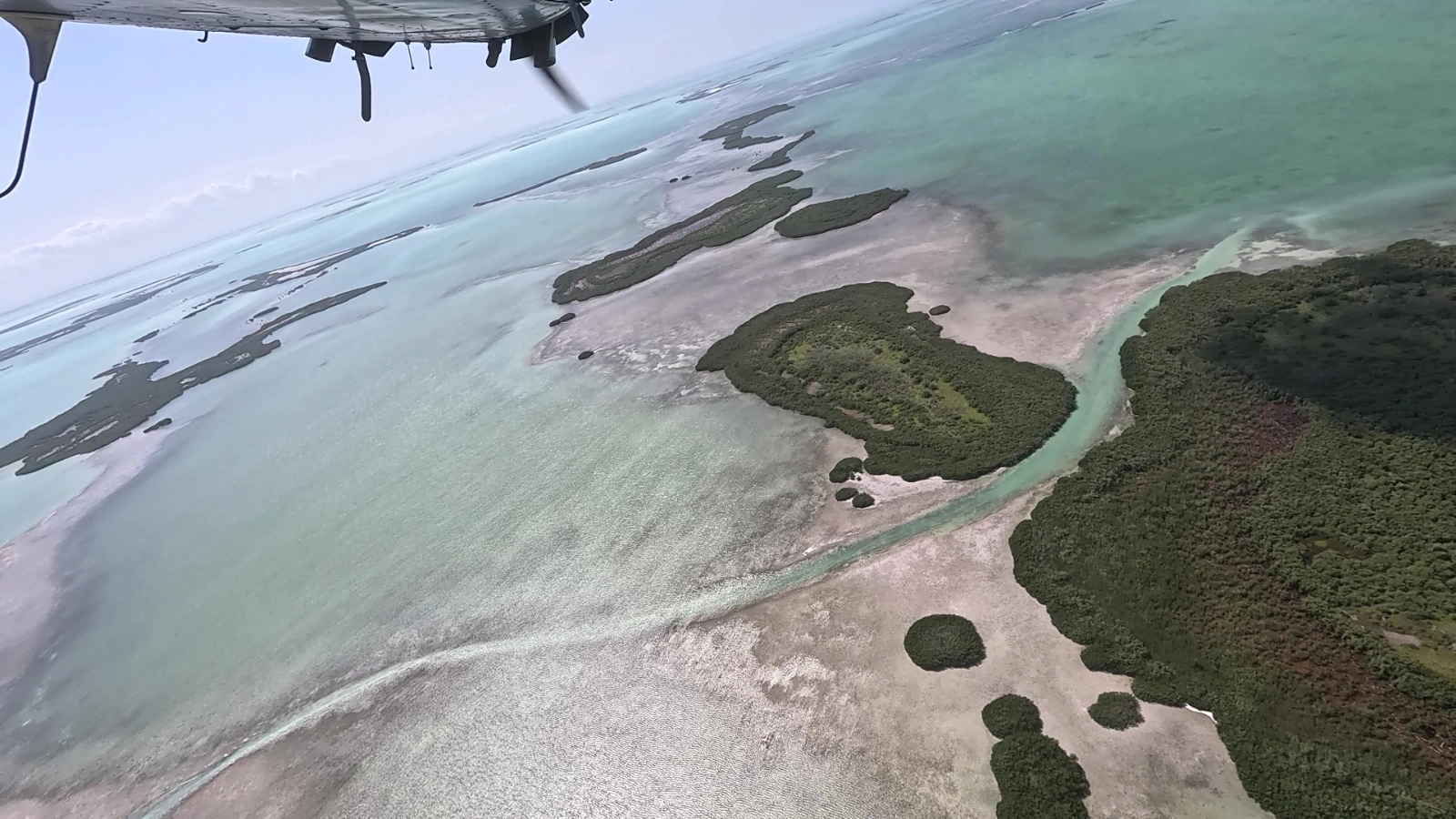
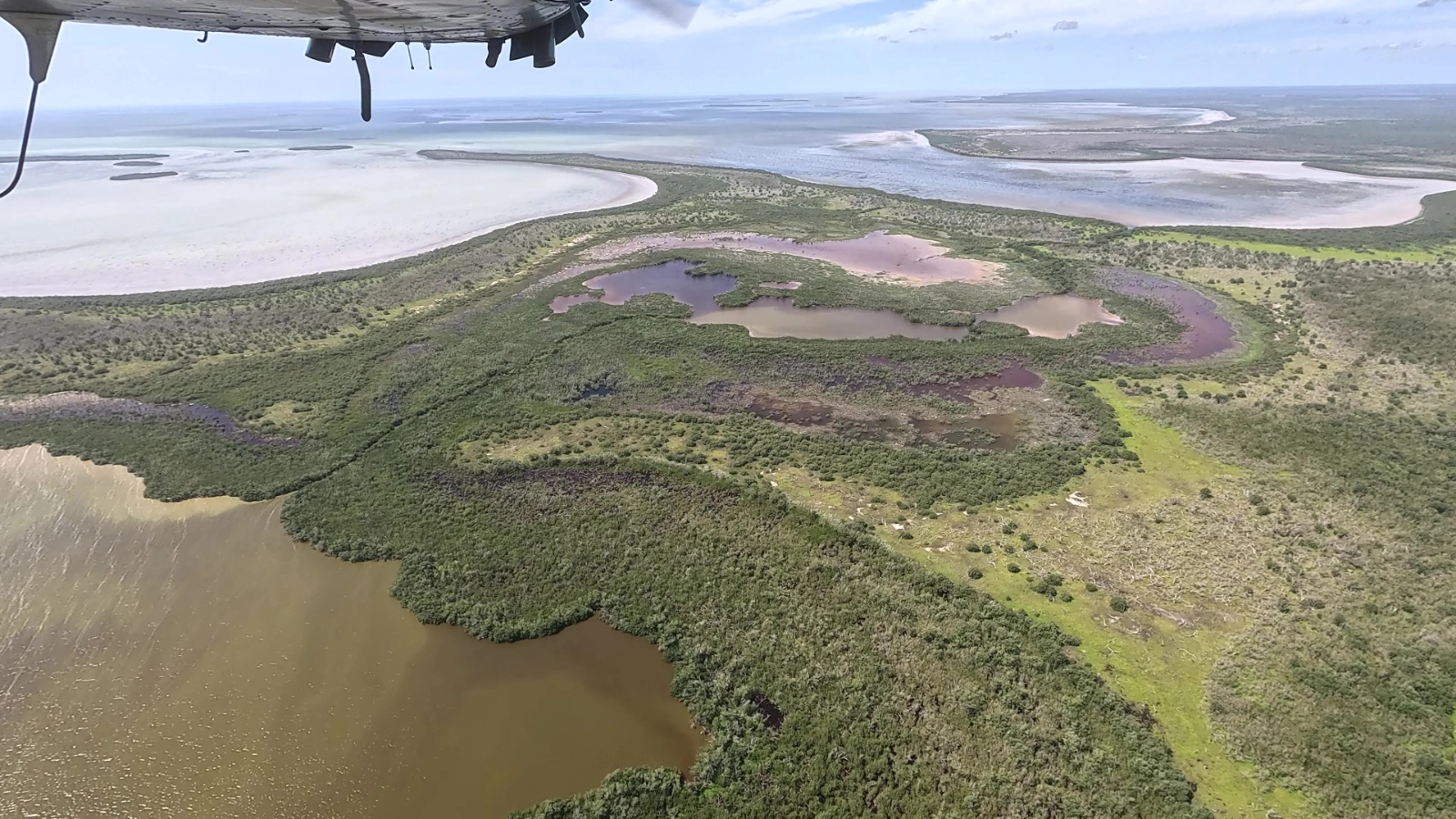
Known for its clear water, Florida is facing challenges due to agricultural runoff. The nutrient-rich water flowing downstream has sparked an increase in both sediment plumes and algal blooms, devastating seagrass, a key food for marine wildlife. Photo by Jay Apt.
When you think of Florida, you picture clear blue water stretching beyond sandy beaches. But from above, a different story is unfolding.
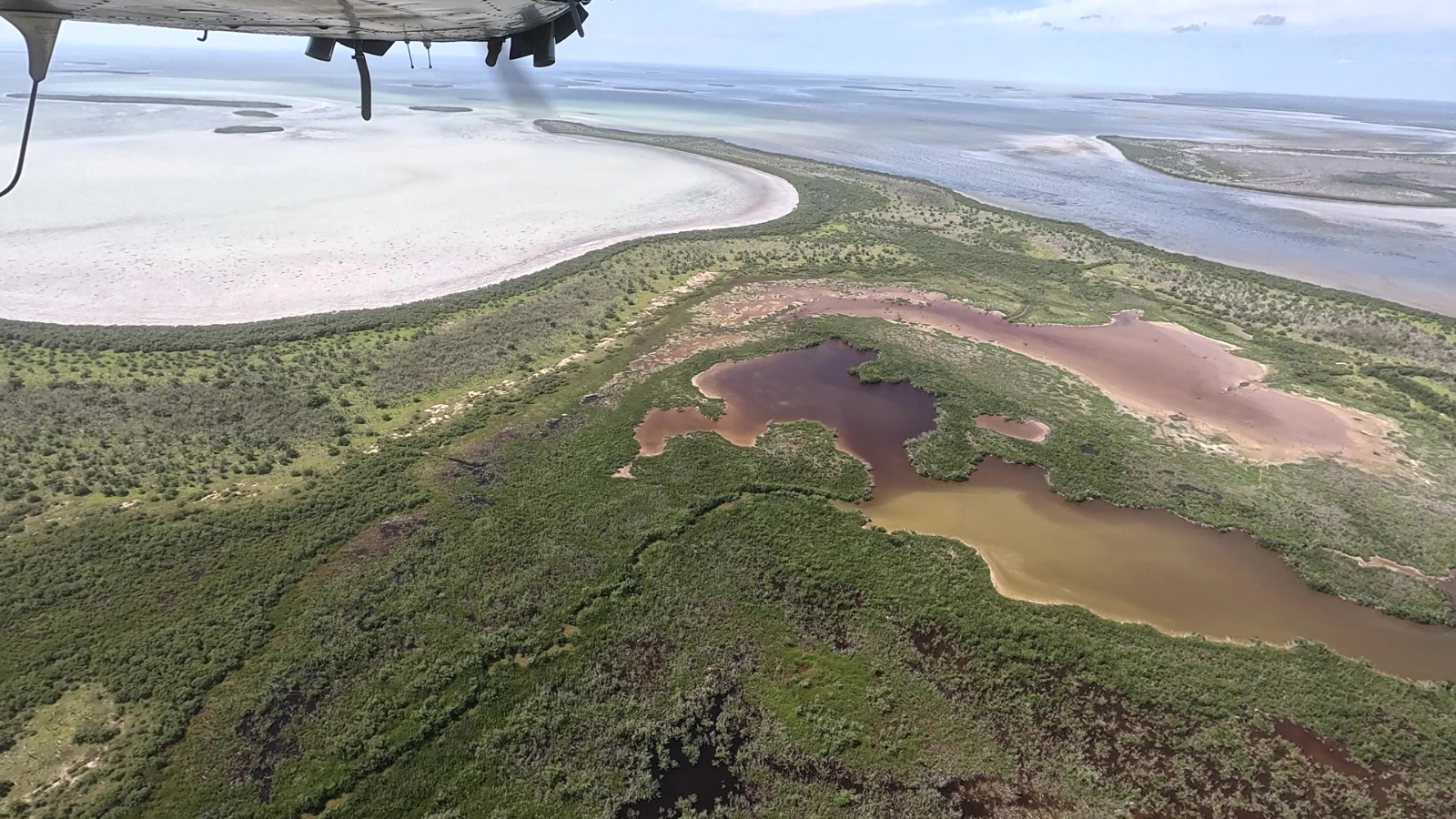
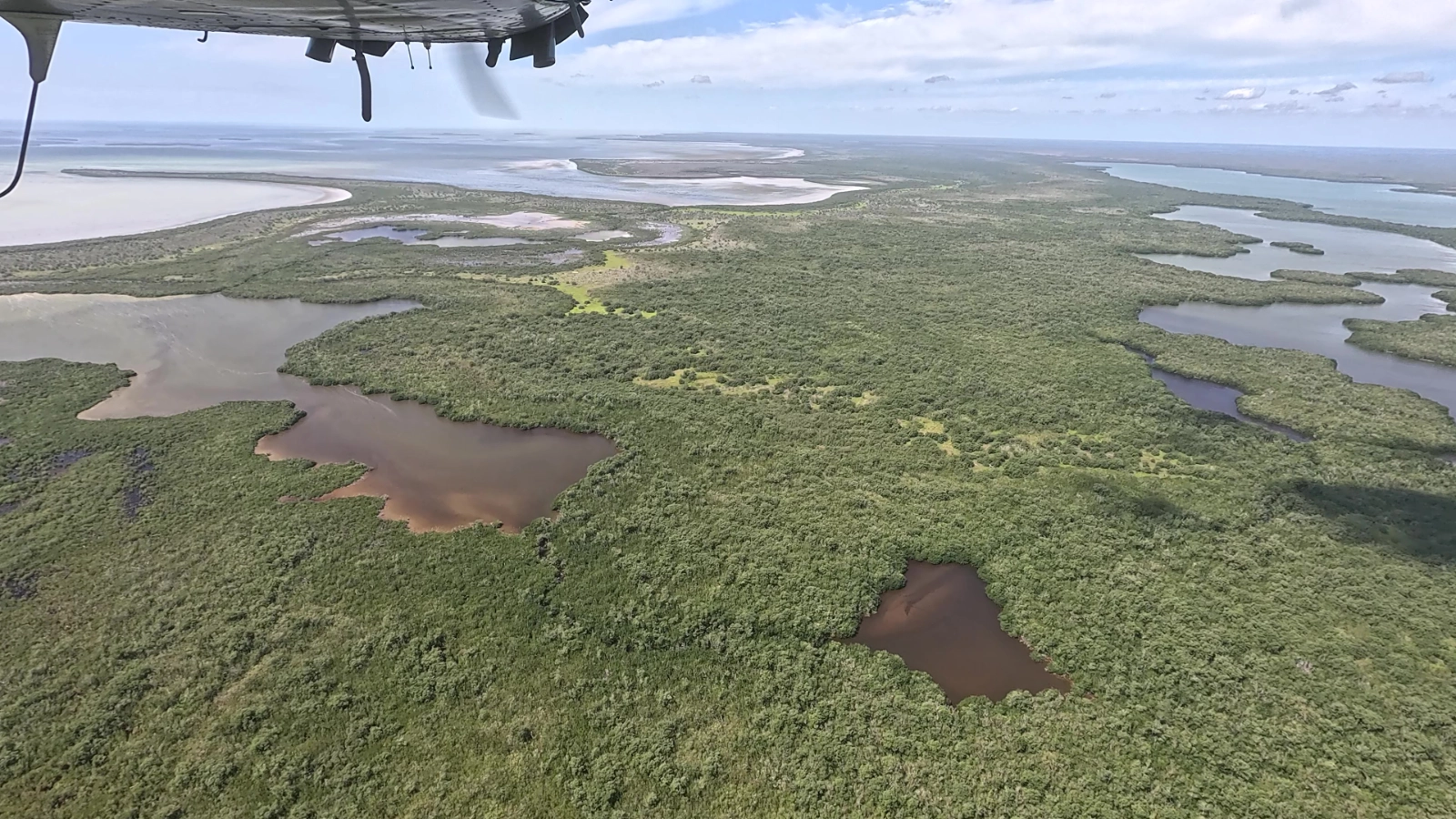
Across Florida Bay, sediment plumes and algal blooms are spreading, changing the color, clarity, and health of these waters. Working alongside scientists from Florida International University, LightHawk took to the air to help better understand the scale of these changes and where they are coming from.
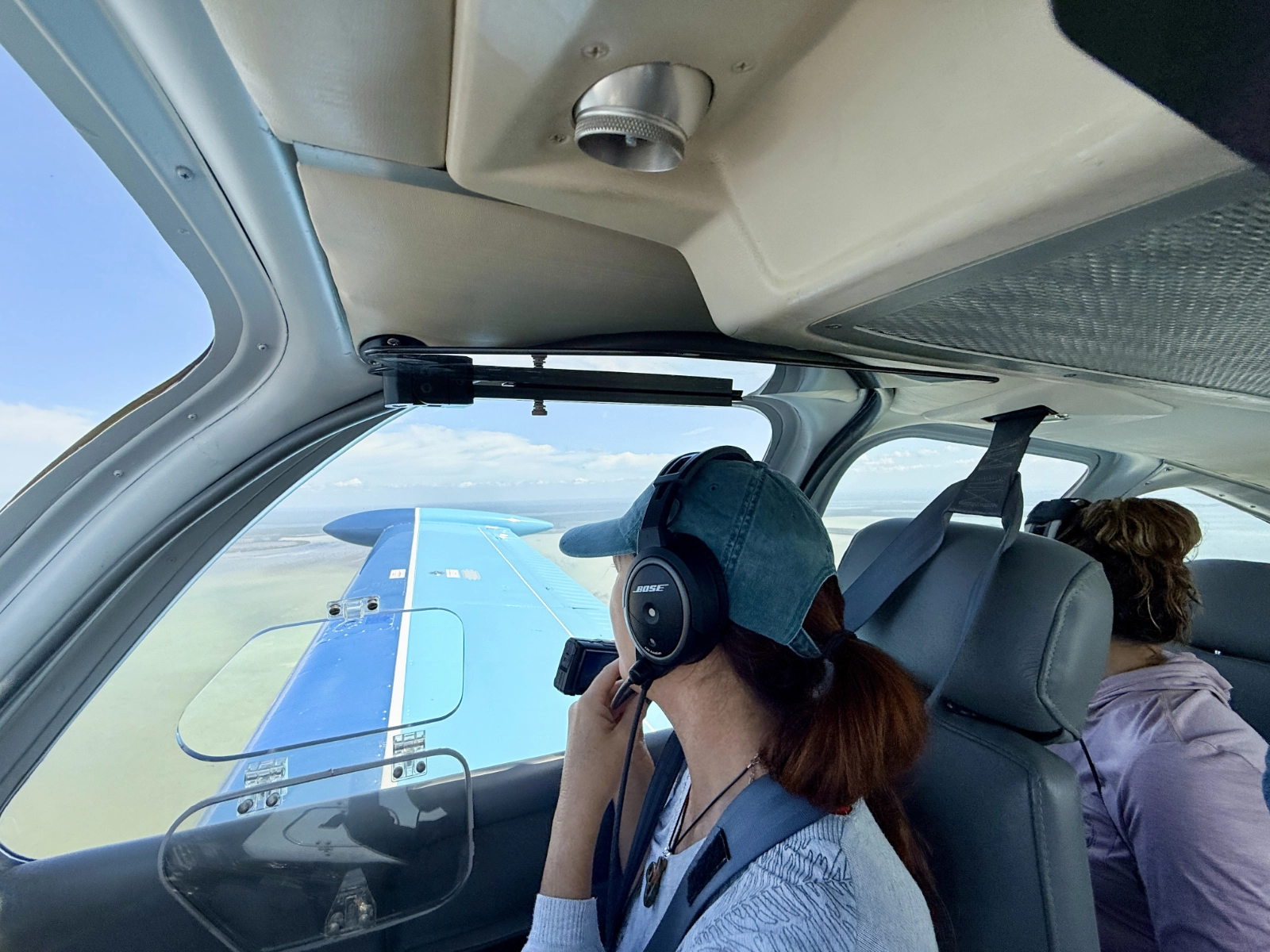
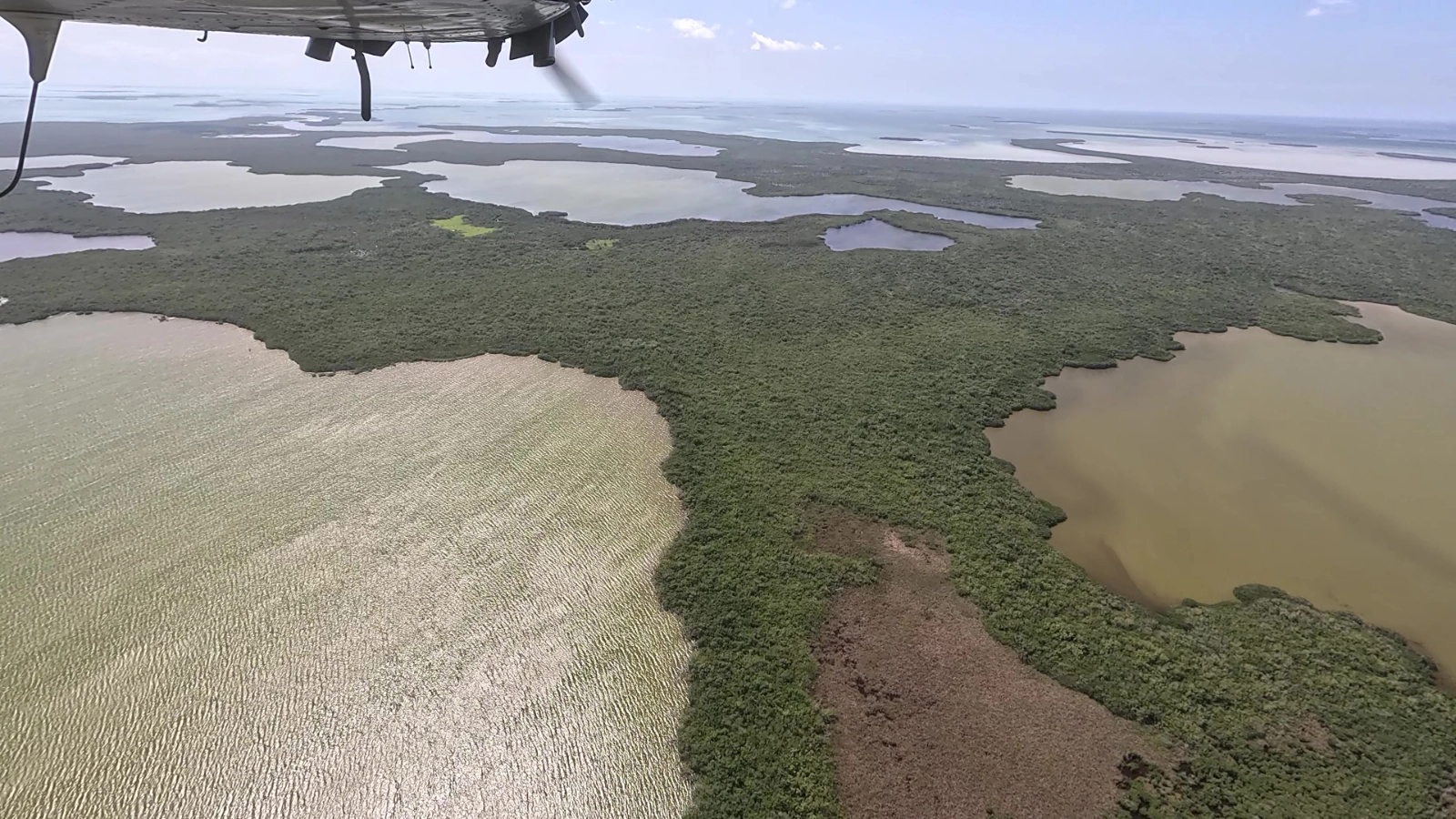
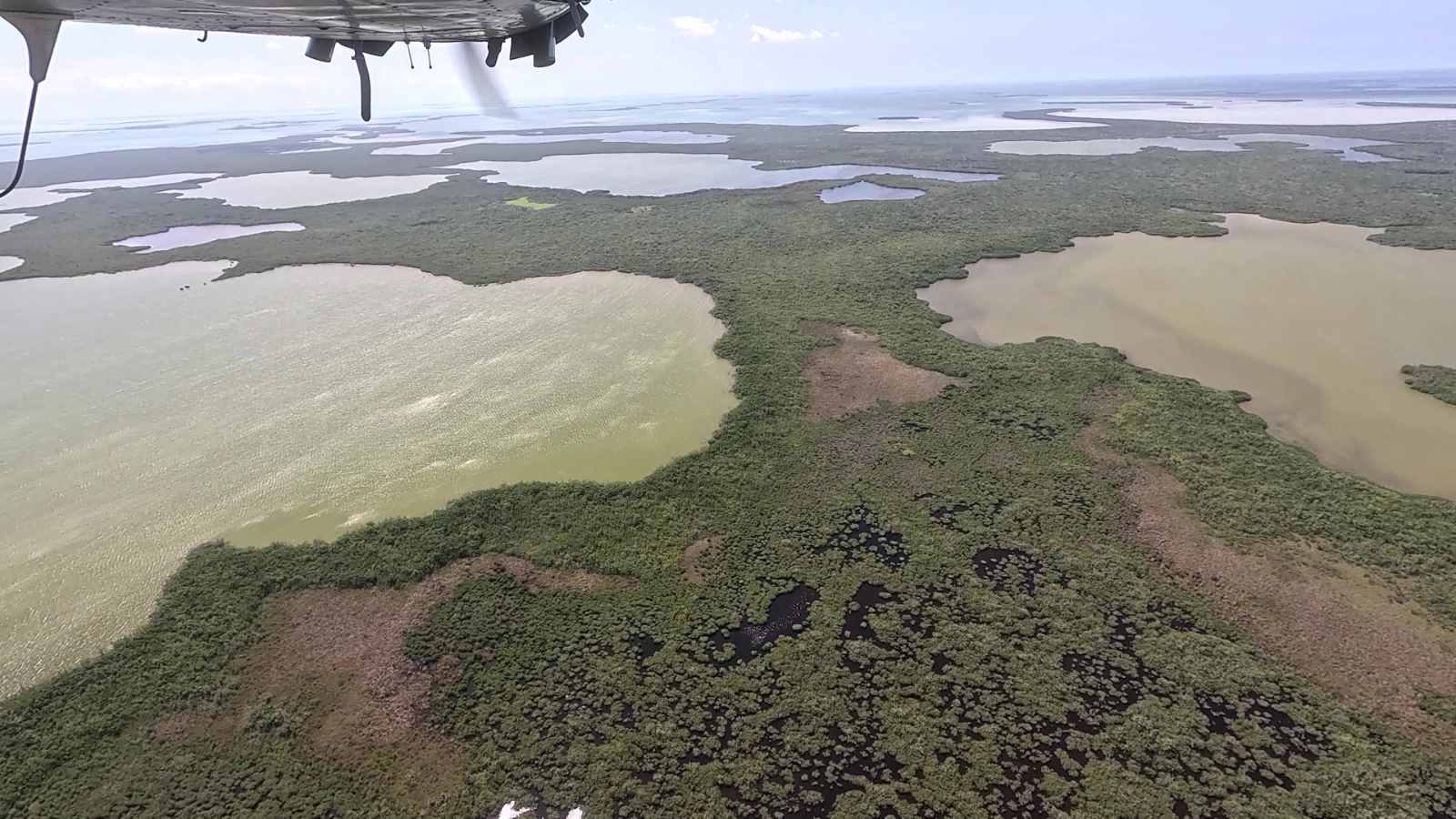
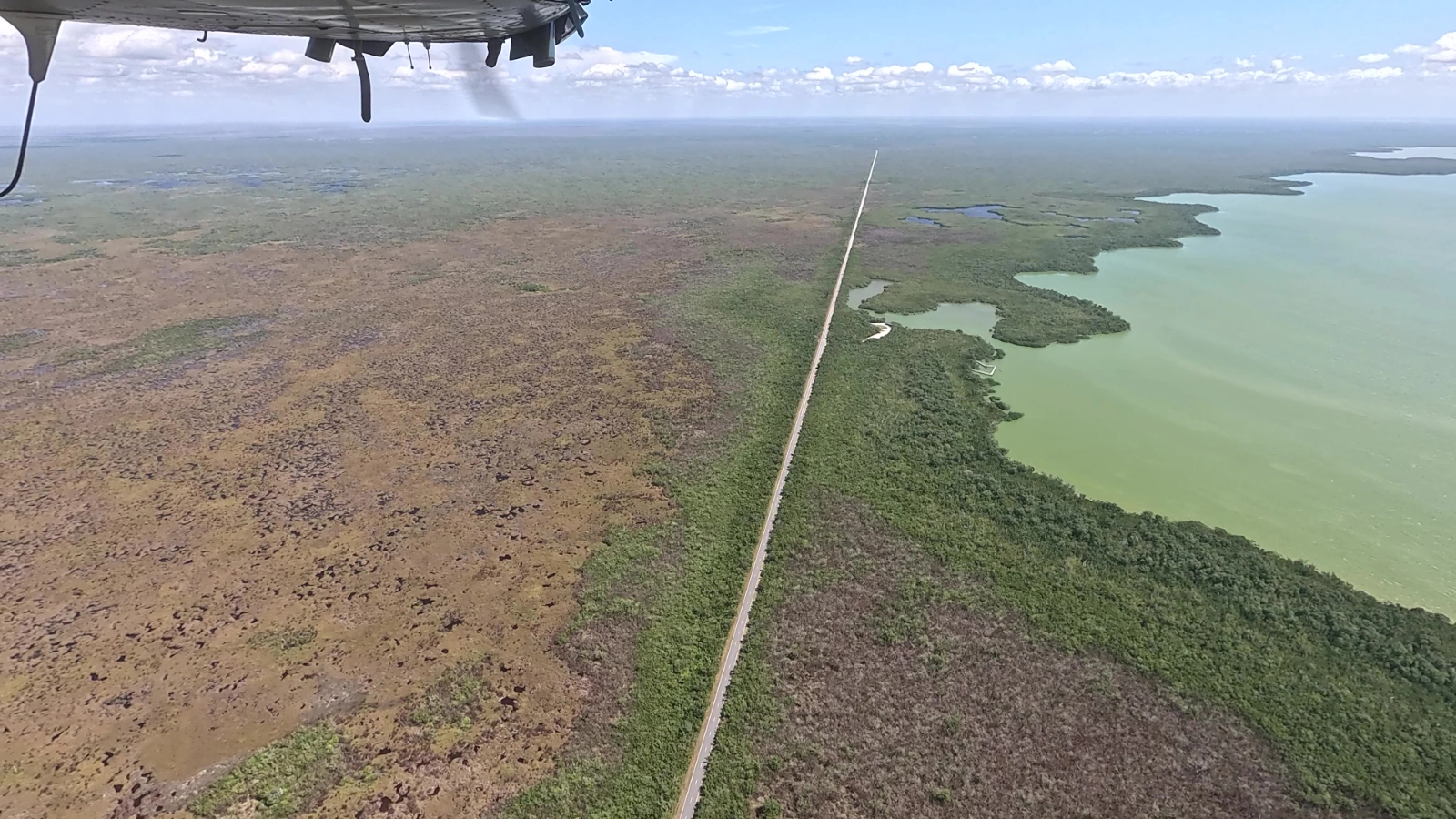
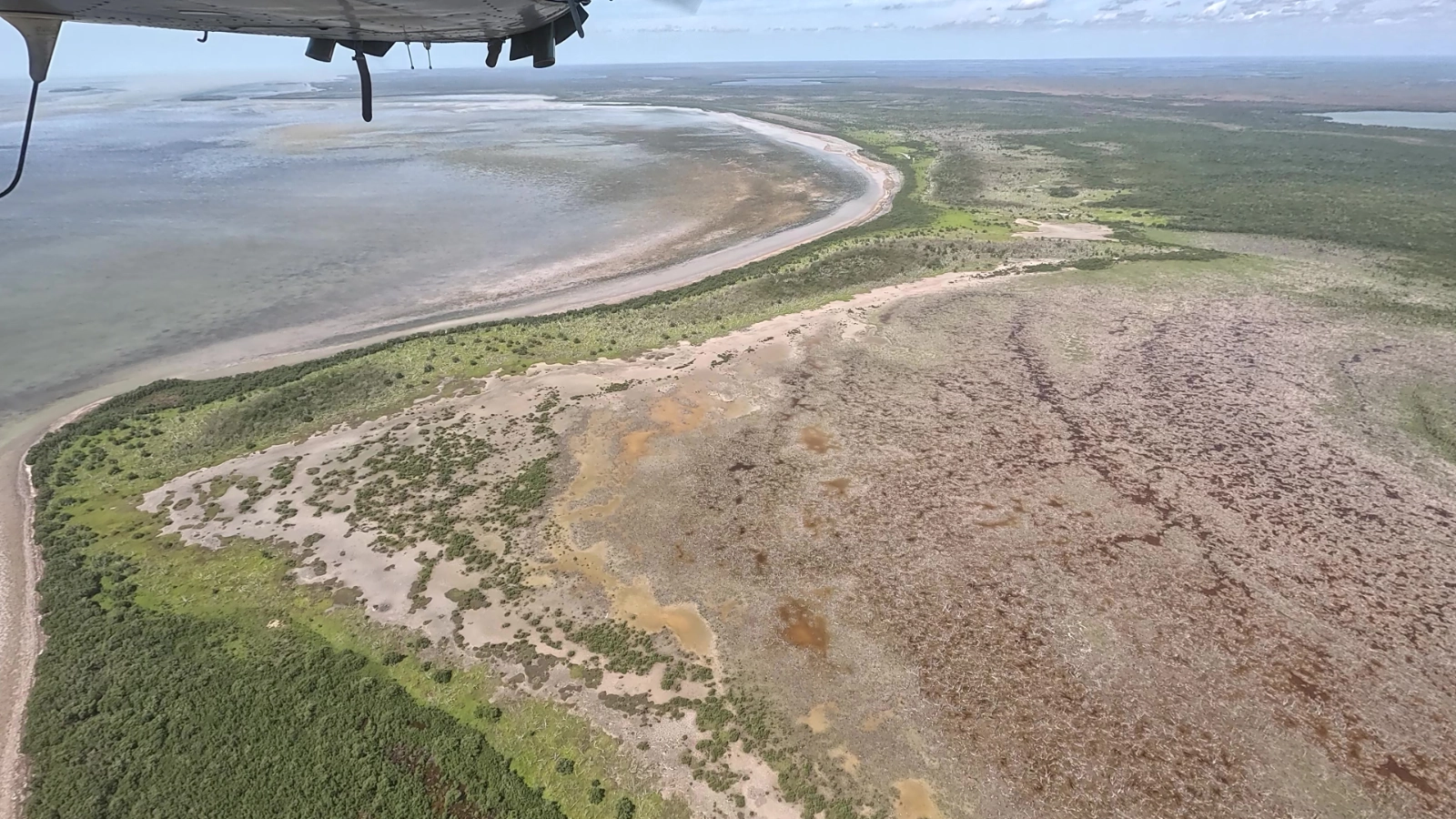
The flight allowed researchers to observe and document sources of runoff that contribute to algal blooms. Photo by Jay Apt.
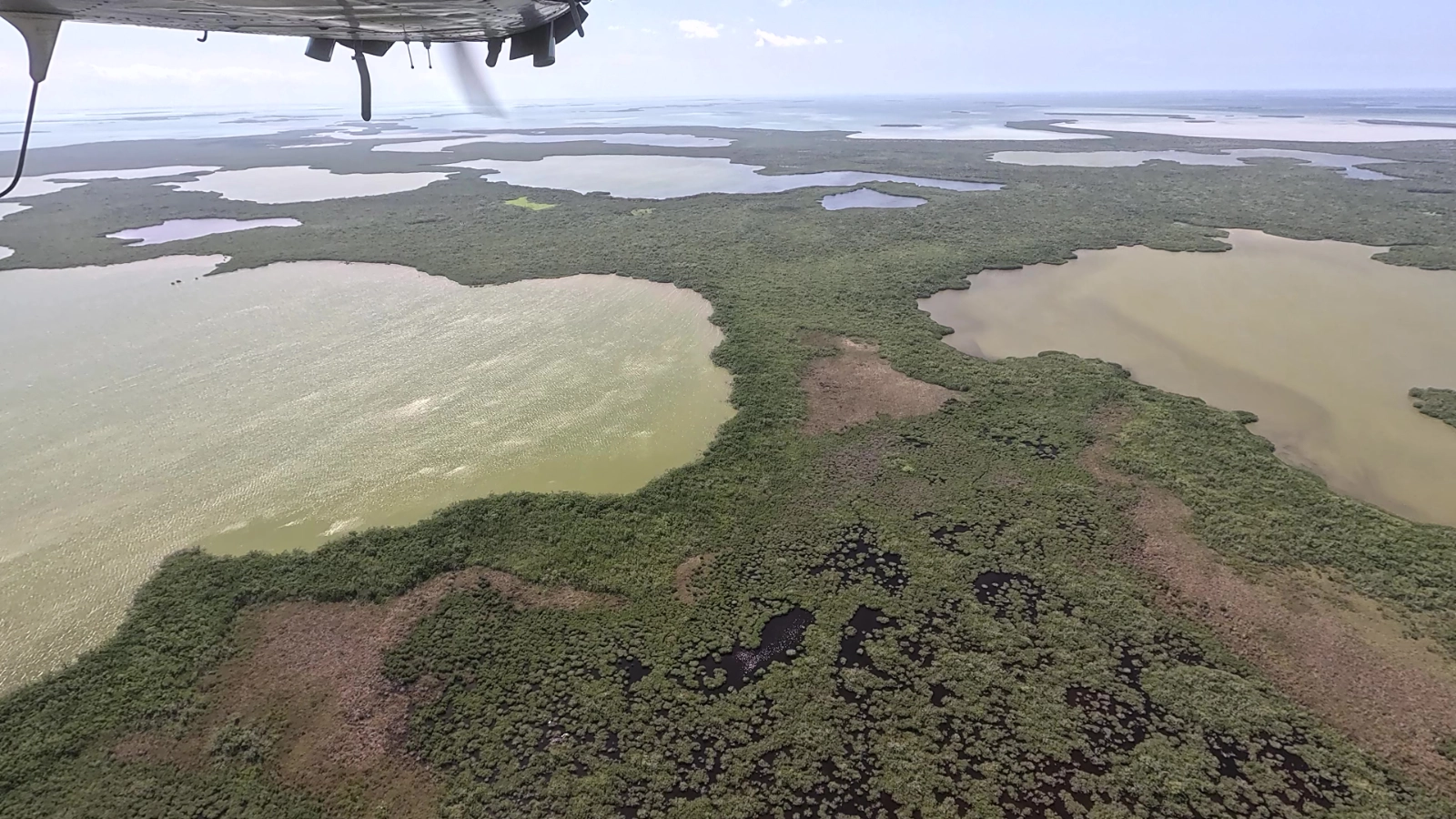
Storms increase the amount of water flowing through agricultural fields, creating larger amounts of runoff, sparking rapid growth of algal blooms. Photo by Jay Apt.
Water quality decline is already having real consequences. Seagrass, a critical food source for species like manatees, is disappearing. With it, the stability of the broader ecosystem is at risk.
What is driving it? In part, nutrients from agricultural runoff. Fertilizers support food production on land, but after heavy rains, those nutrients wash into waterways. Combined with a warming climate, they fuel rapid algal growth.
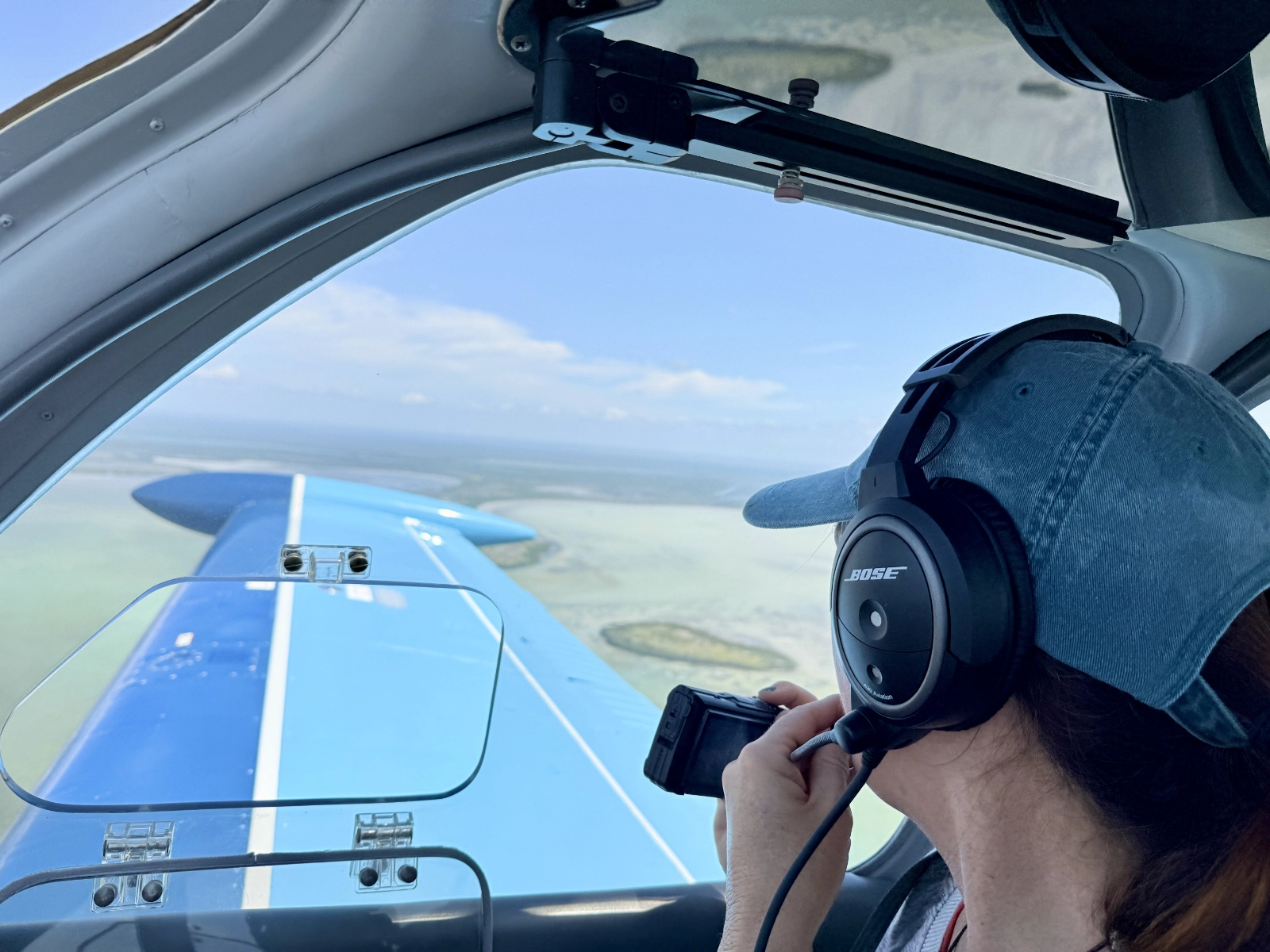
Taking off from Miami Executive airport, volunteer pilot Jay Apt flew southwest toward Florida Bay. Our partners had requested flying over the north-central portion of the bay, specifically the Alligator and McCormick Creek Subestuaries.
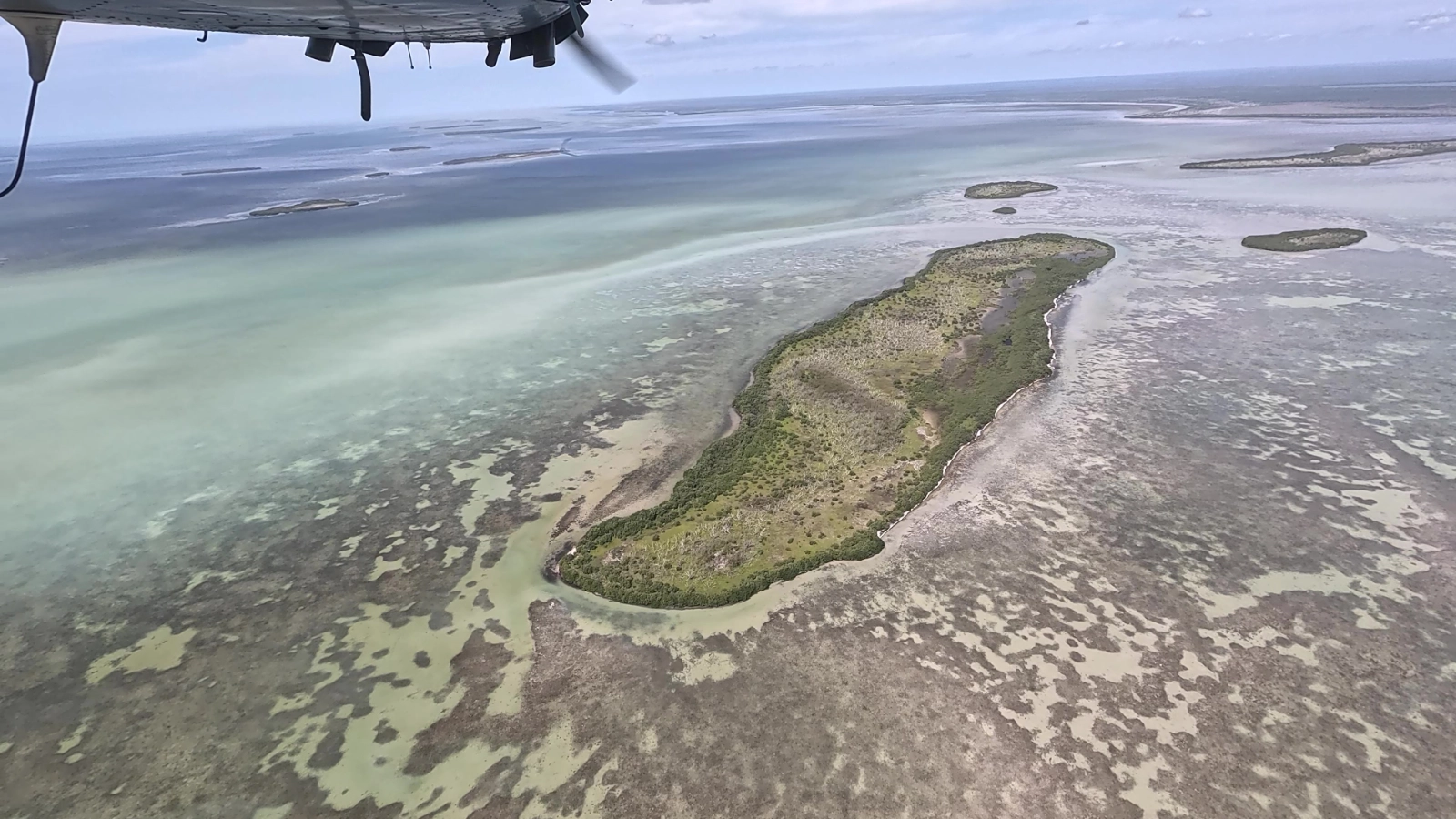
Declines in seagrass are a threat to the survival of marine wildlife like manatees who feed on the aquatic plants. Photo by Jay Apt.
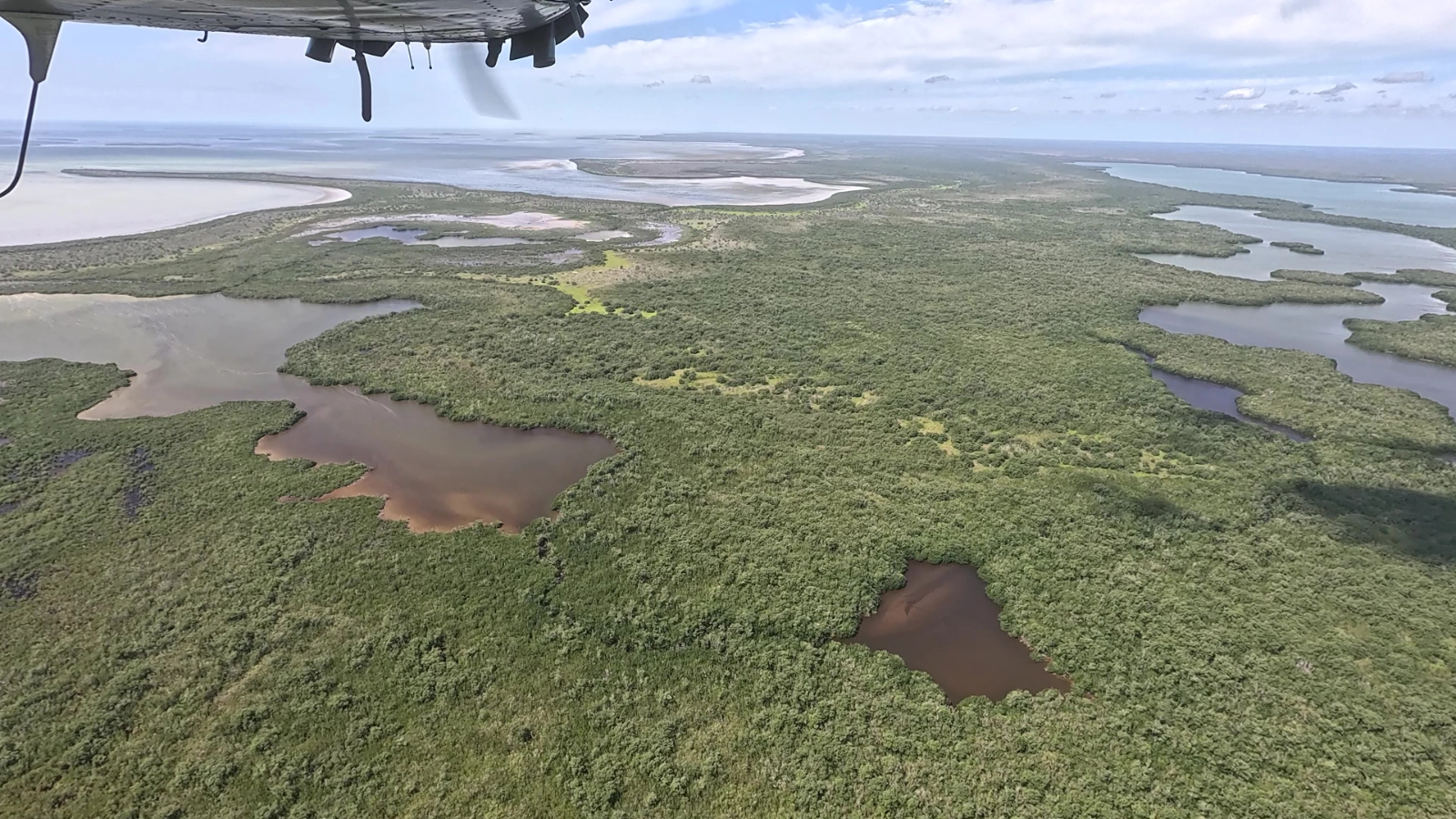
Large storms increase the amount of runoff, creating large sediment plumes that lower water quality and threaten seagrass. Photo by Jay Apt.
During the flight, the team captured high-resolution imagery and video to help identify potential drivers of nutrient influx and their connection to algal blooms, while also providing important context on how water moves into the bay. Jay mounted a GoPro to his Beechcraft Bonanza , allowing scientists to record observations in real time and compare them with the aerial footage.
After the flight, Laura Bauman said, “Jay was an exceptional pilot, very thorough and professional, and I appreciated him walking us through the whole process. The experience was fascinating and reassuring, and the imagery he captured was outstanding.”
This information learned from the flight will be used in an ongoing study funded by Everglades National Park and South Florida Water Management District to help determine how nutrients are introduced into the water system, driving algal blooms. Understanding where nutrients are entering the bay will help guide current management in Everglades National Park with a long-term goal of decreasing algal blooms and increasing water quality in Florida Bay.
When you can see the full picture from above, you can make better decisions on the ground.Top of Form
Photos by Jay Apt.