Capturing Imagery of Critical Sandhill Crane Habitat
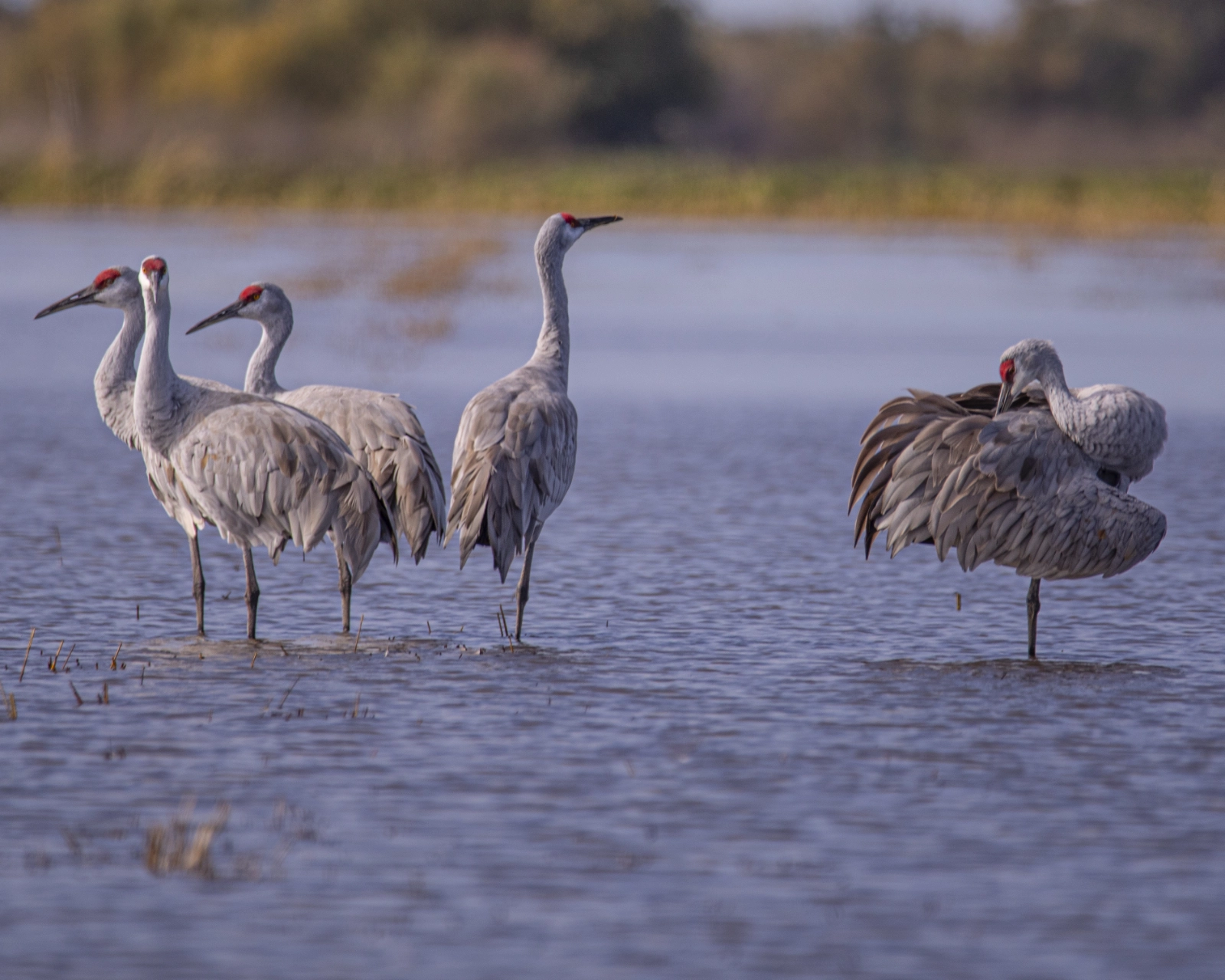
Sandhill Cranes are one of the oldest living bird species, with a fossil record stretching back millions of years. Today, however, their continued success faces growing challenges as urban expansion and climate change reshape the landscapes they depend on.
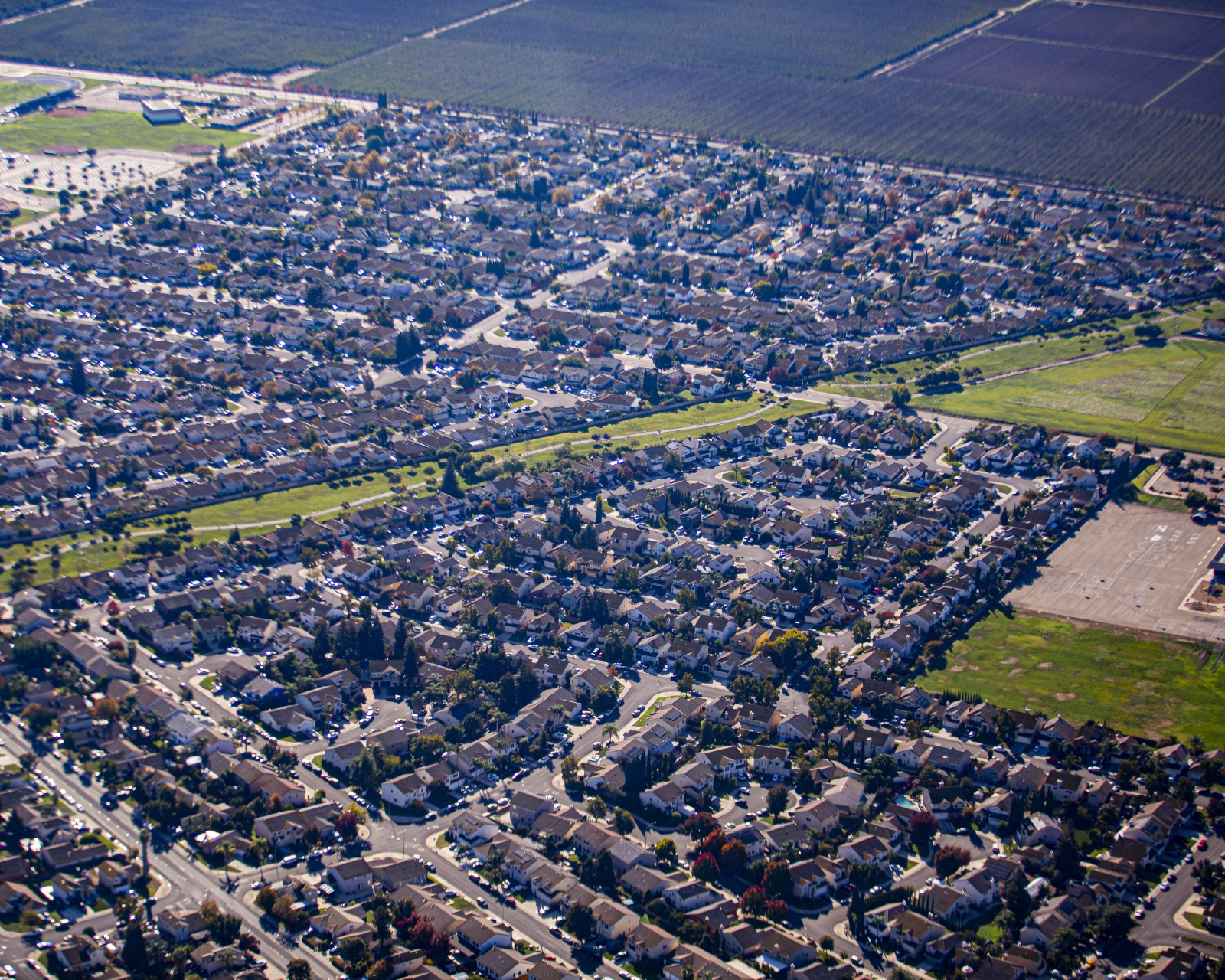
As cities push into rural areas, vital crane habitat disappears—along with the agricultural lands and wetlands that provide food and refuge during migration. In California’s Sacramento Delta, these pressures are intensifying, putting both cranes and the ecosystems they rely on at risk.
Photographer and journalist Robert Steelquist is in the midst of a six-year project that will culminate in a book and public presentations aimed at inspiring conservation action and informing public decision-makers about the future of Sacramento Delta wetlands.
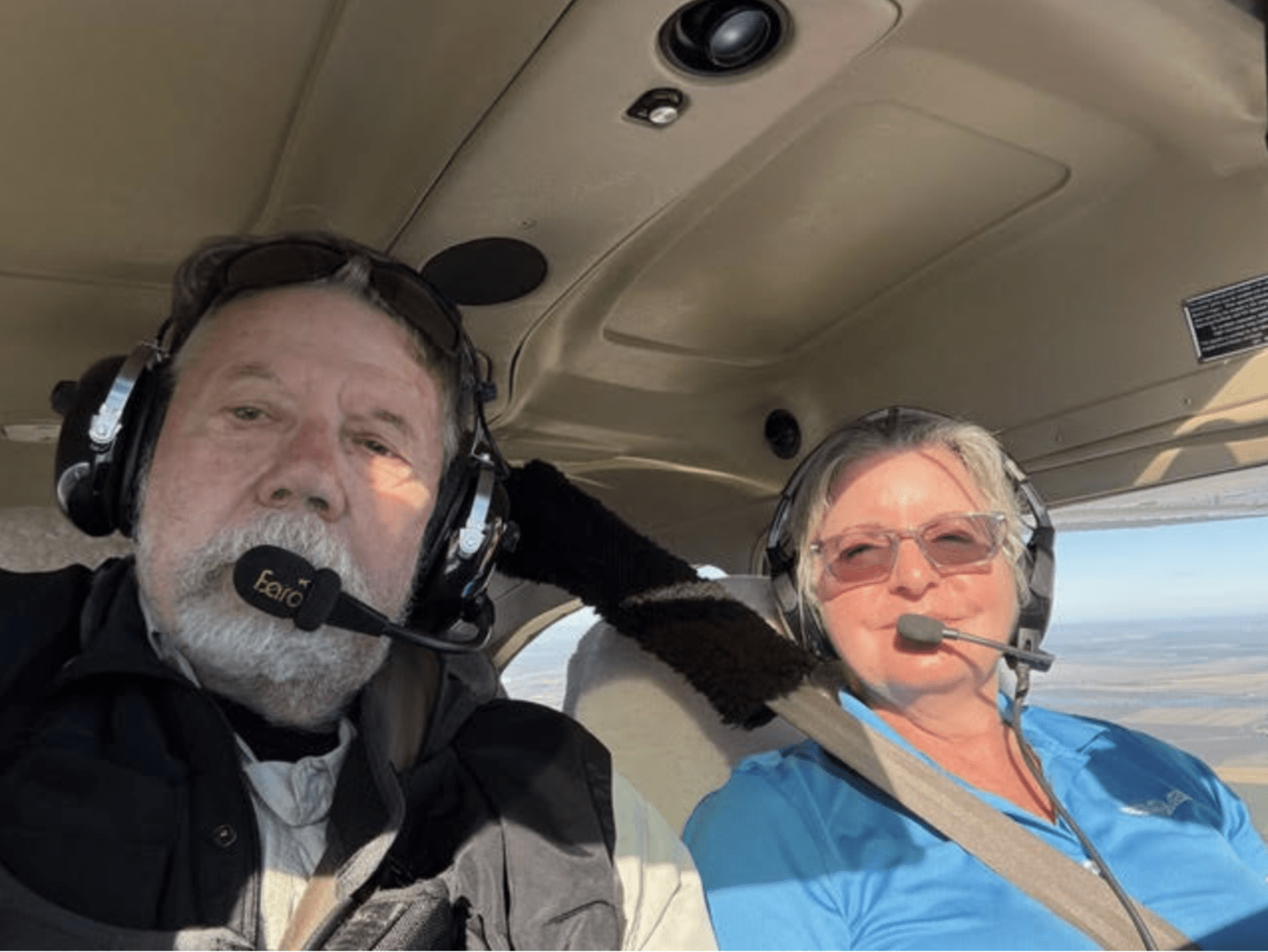
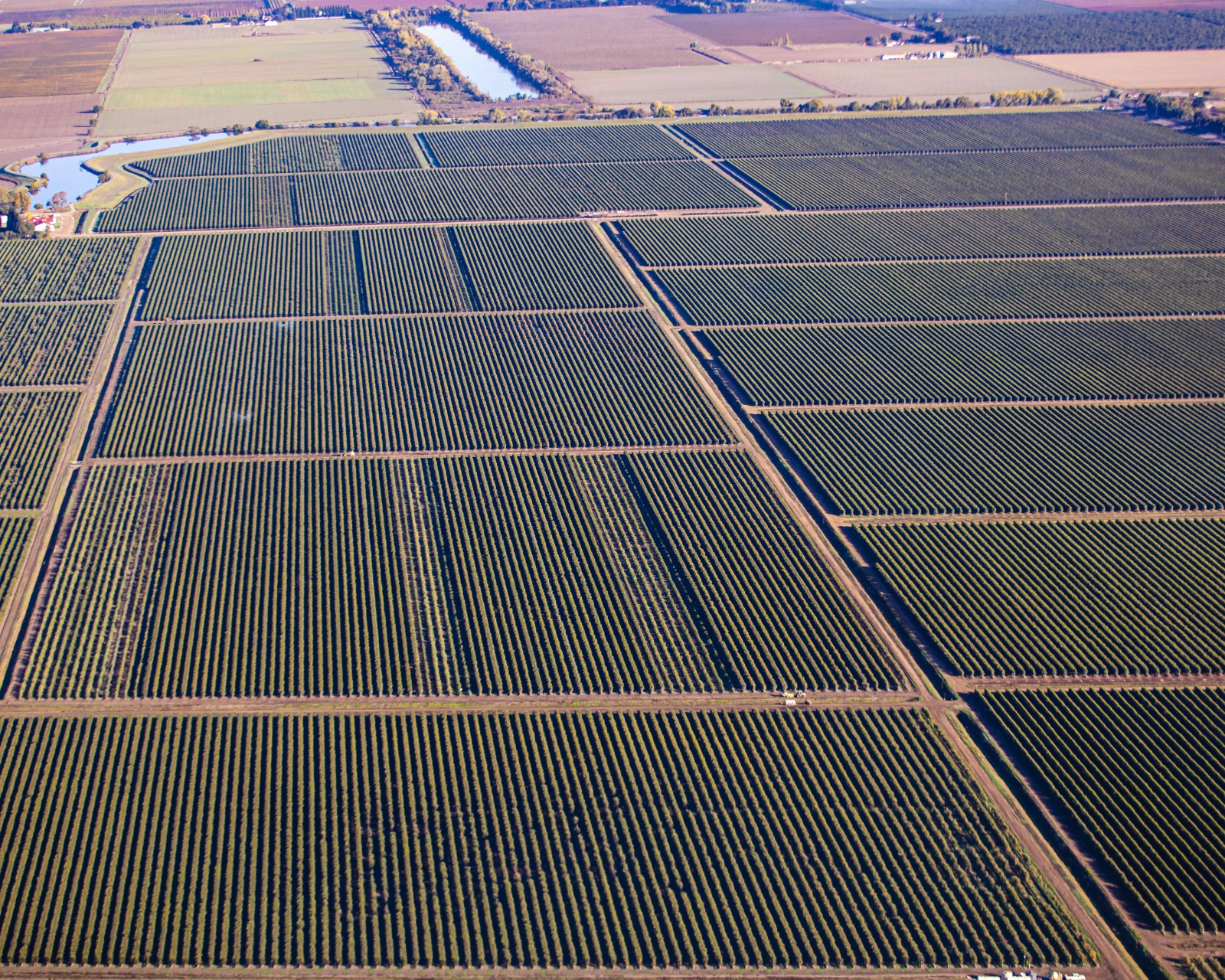
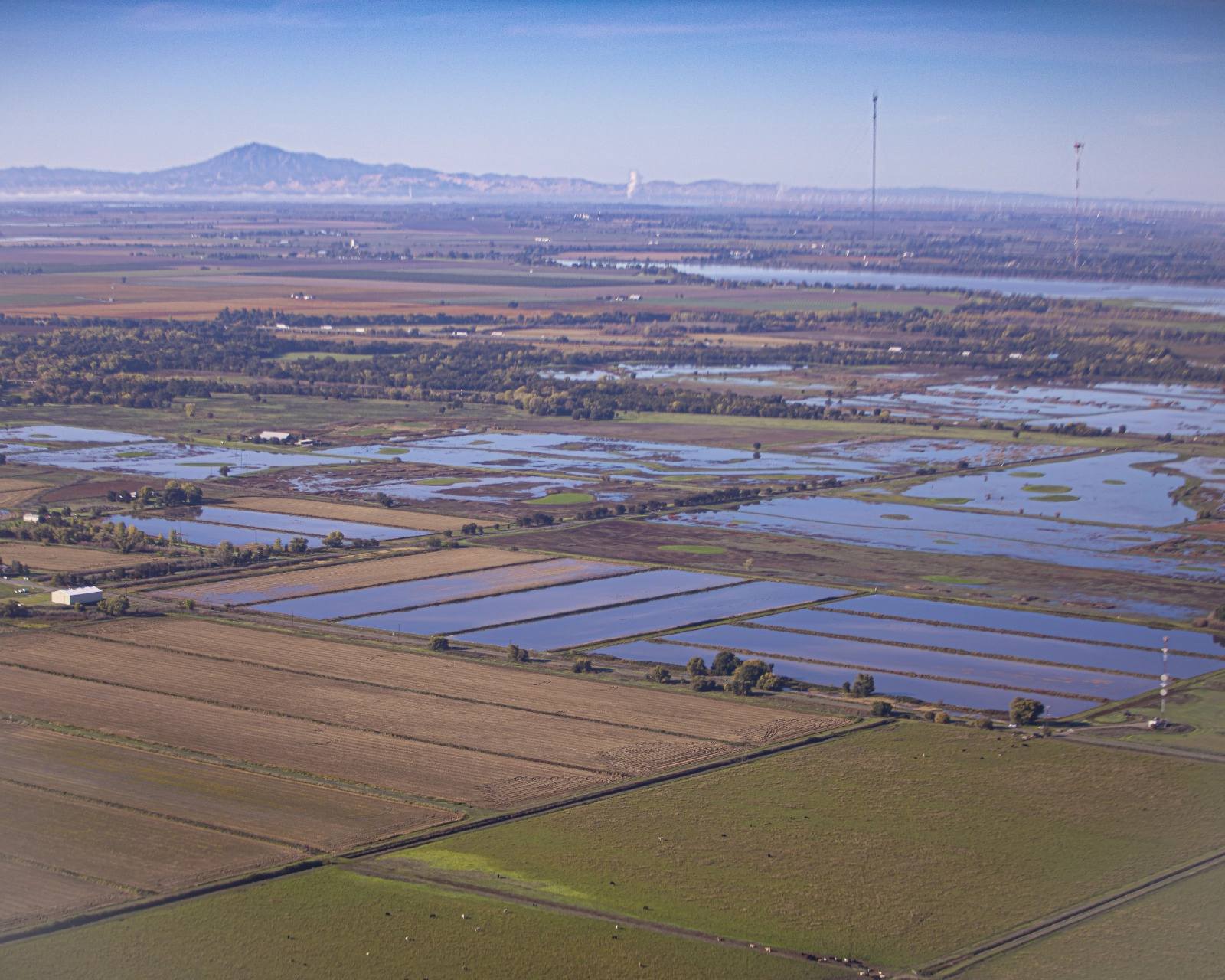
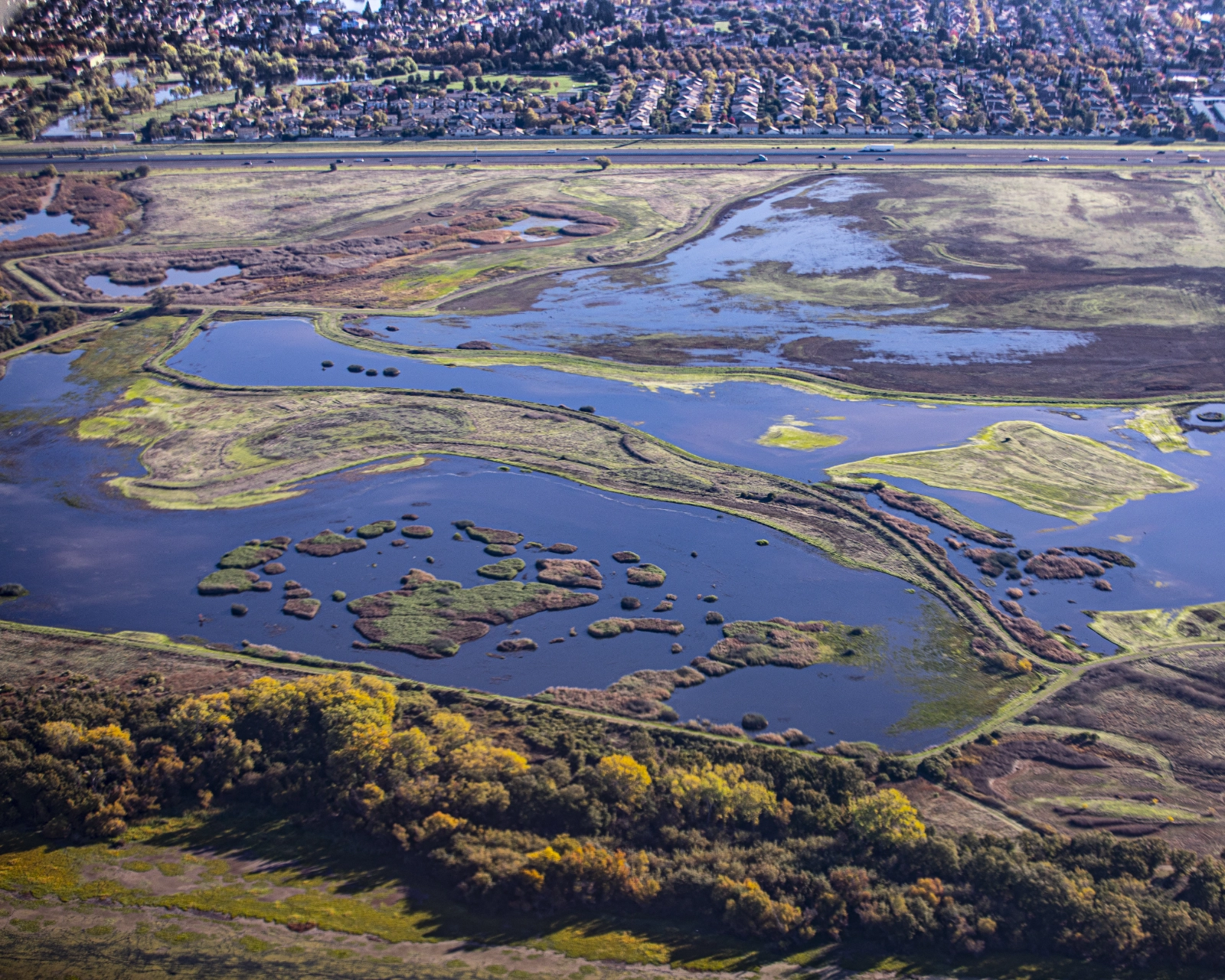
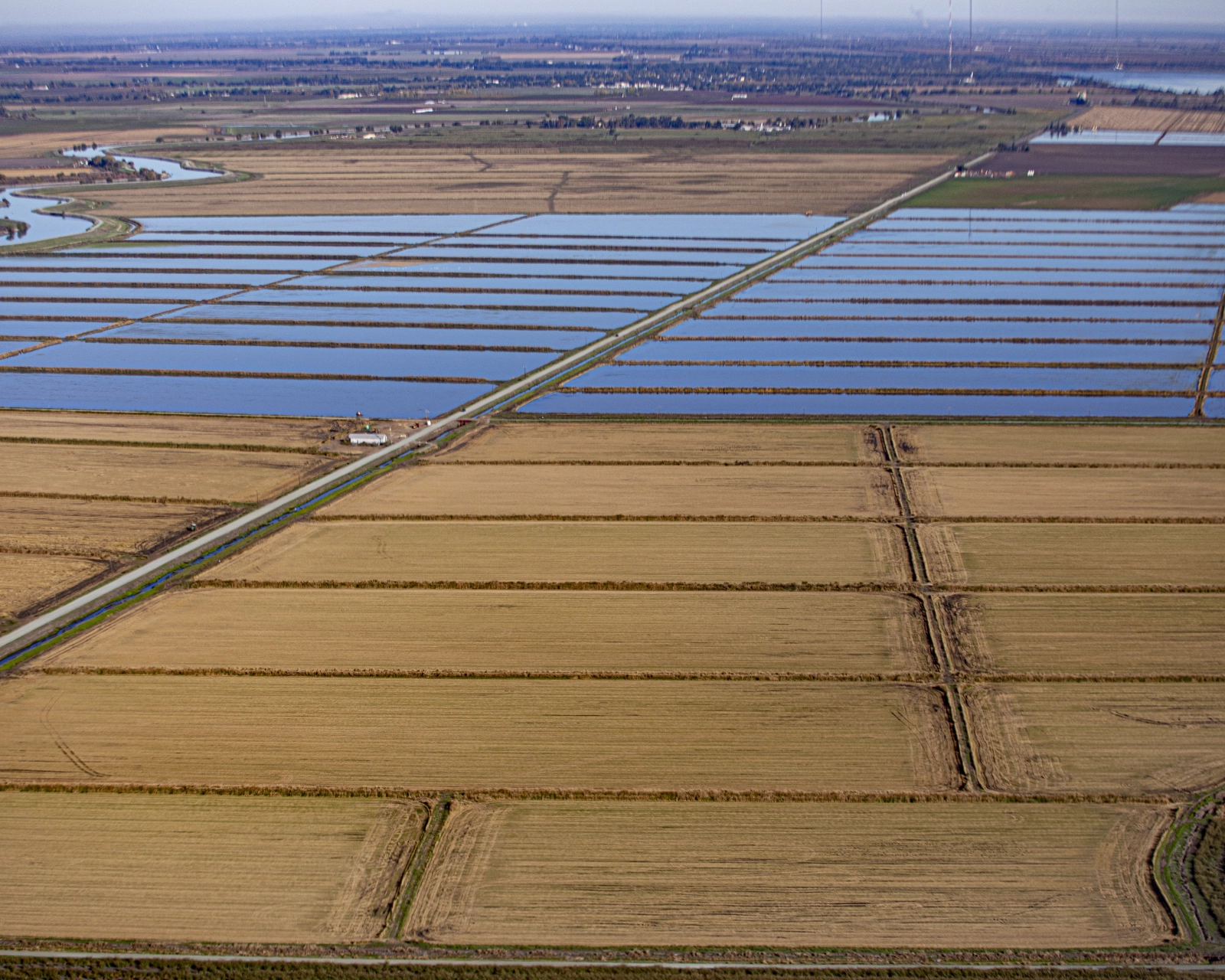
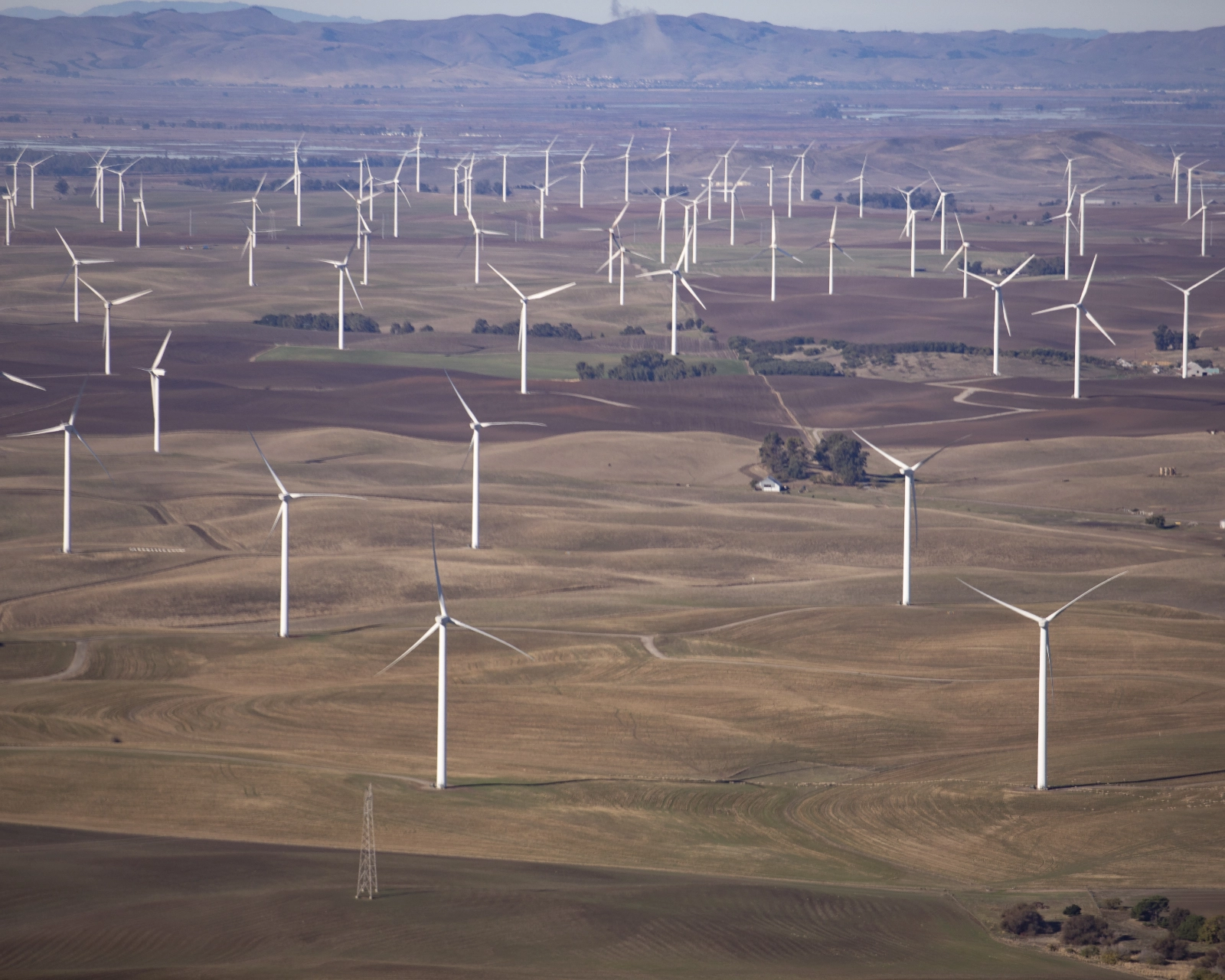
To support this work, LightHawk volunteer pilot Louise Mateos flew Steelquist on a 90-minute flight departing from an airport just outside Lodi, California. From the right seat of her Cessna 182, Steelquist captured aerial imagery of the Central Valley’s patchwork of protected wetlands and working agricultural lands.
The flight allowed him to photograph critical night roost sites, including Stone Lakes National Wildlife Refuge, Woodbridge Ecological Reserve, and Cosumnes River Preserve, as well as private agricultural lands that cranes rely on for daytime feeding and loafing.
“The LightHawk flight proved a very effective way of gaining perspective on the landscapes of the Sacramento Delta and the challenges facing wildlife managers and conservation organizations,” Steelquist shared. “This photography will be shared with biologists working on a new Central Valley conservation plan for cranes, in the hope that my images can help document critical threats and conservation priorities.”
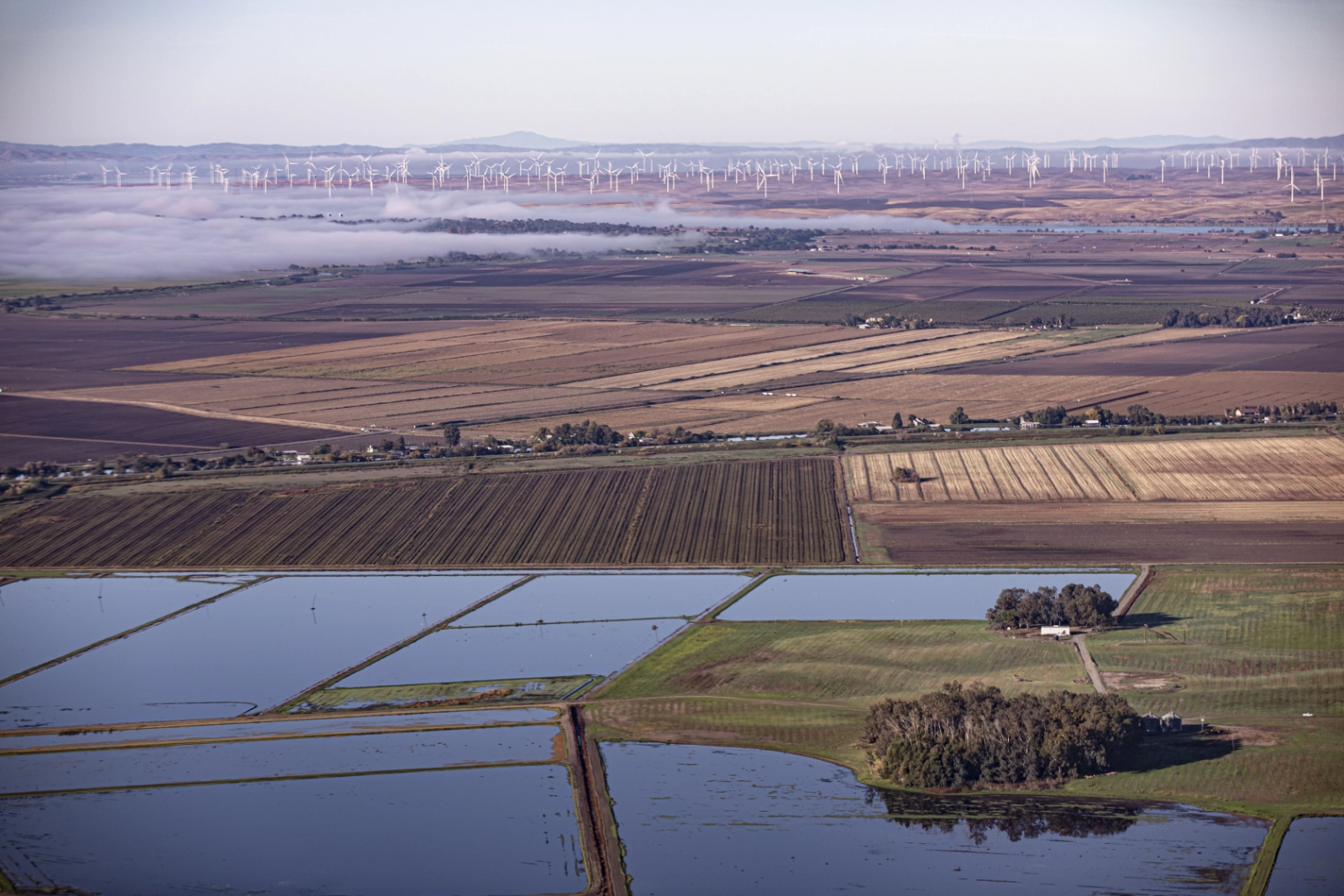
Steelquist will also share his imagery with Dr. Gary Ivey of the International Crane Foundation.
Flights like this help ensure that decisions about land use are grounded in a clear understanding of how wildlife moves across the landscape. By documenting both protected areas and working lands from above, LightHawk helps provide essential context to support the long-term conservation of species like the Sandhill Crane.
Volunteer pilot Louise Mateos is based in Santa Clara, California, and began flying with LightHawk earlier this year.