
Choosing the Right Aircraft for the Mission
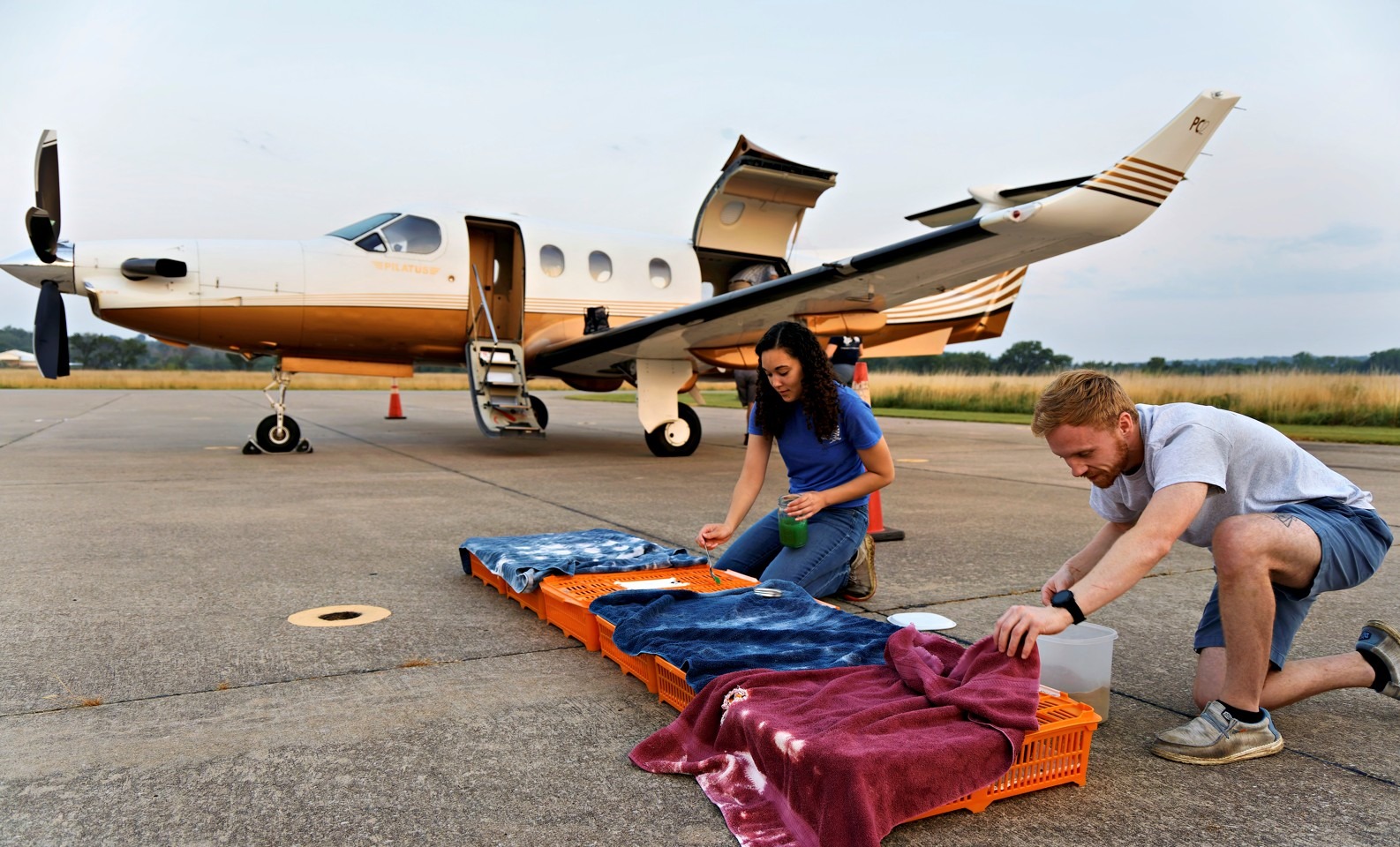
Masked bobwhite quail prepared for a long-distance LightHawk transport in a Pilatus PC-12, part of ongoing efforts to restore this endangered species. Photo: Don Wolfe | Pilot: Warren Dean
As a new pilot, LightHawk’s contributing writer Kristin Smith was curious how our volunteer pilots and their aircraft can support such a wide range of conservation missions. She spoke with LightHawk CEO Jim Becker to better understand how those decisions are made. From flying photographers and scientists over remote landscapes to transporting endangered species, each mission brings different requirements. Kristin shares what she learned about choosing the right aircraft for the mission.
It’s hard to beat a small plane with big windows when your work depends on seeing clearly.
For many LightHawk missions, that visibility is the whole point. Whether flying photographers over watersheds or land trusts over conservation easements, the aircraft itself shapes what they are able to see and document.
But not every mission calls for the same plane. With more than 200 volunteer pilots and aircraft ranging from small two-seat Cubs to high-speed turboprops and jets, one of the first steps in planning any mission is choosing the right aircraft for the job. So how is that decision made?
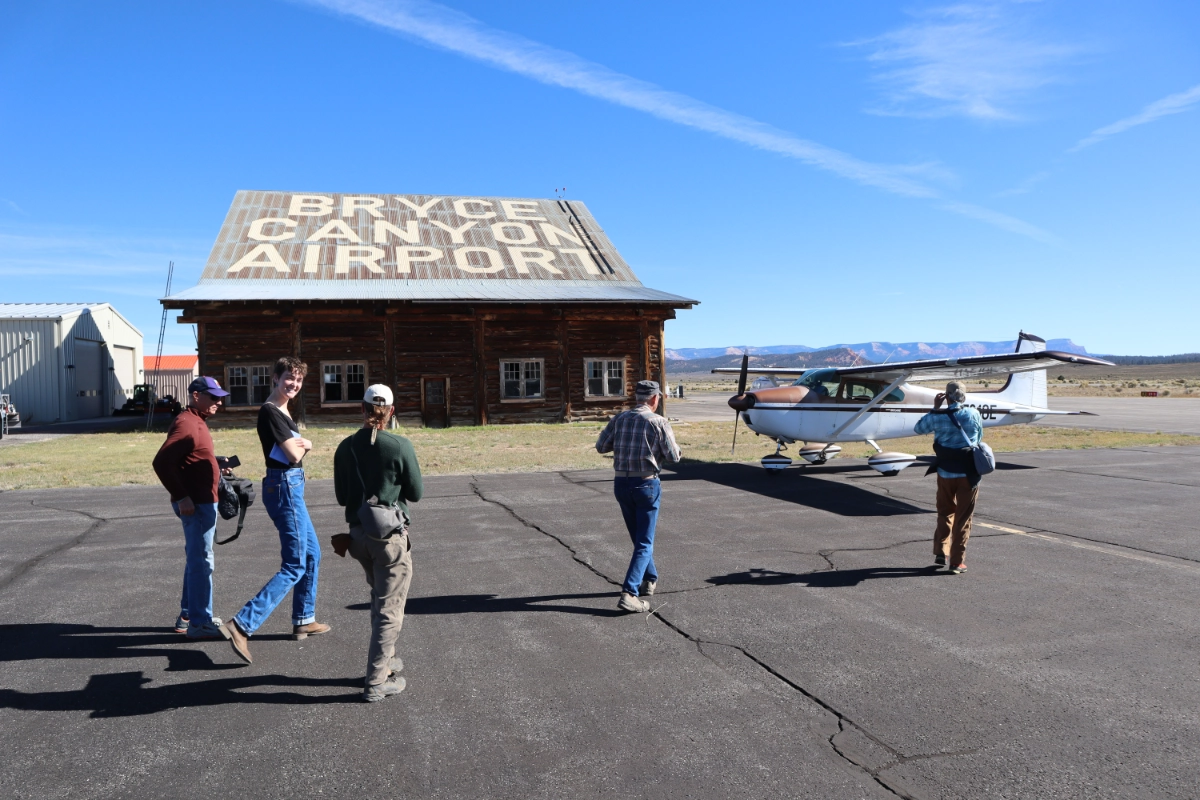
Passengers head out to a Cessna 182 ahead of an aerial tour over Grand Stairccase Escalante in Utah. The high wing profile offers a great view of the ground below. Photo: Kevin Berend | Pilot: Ross Rice
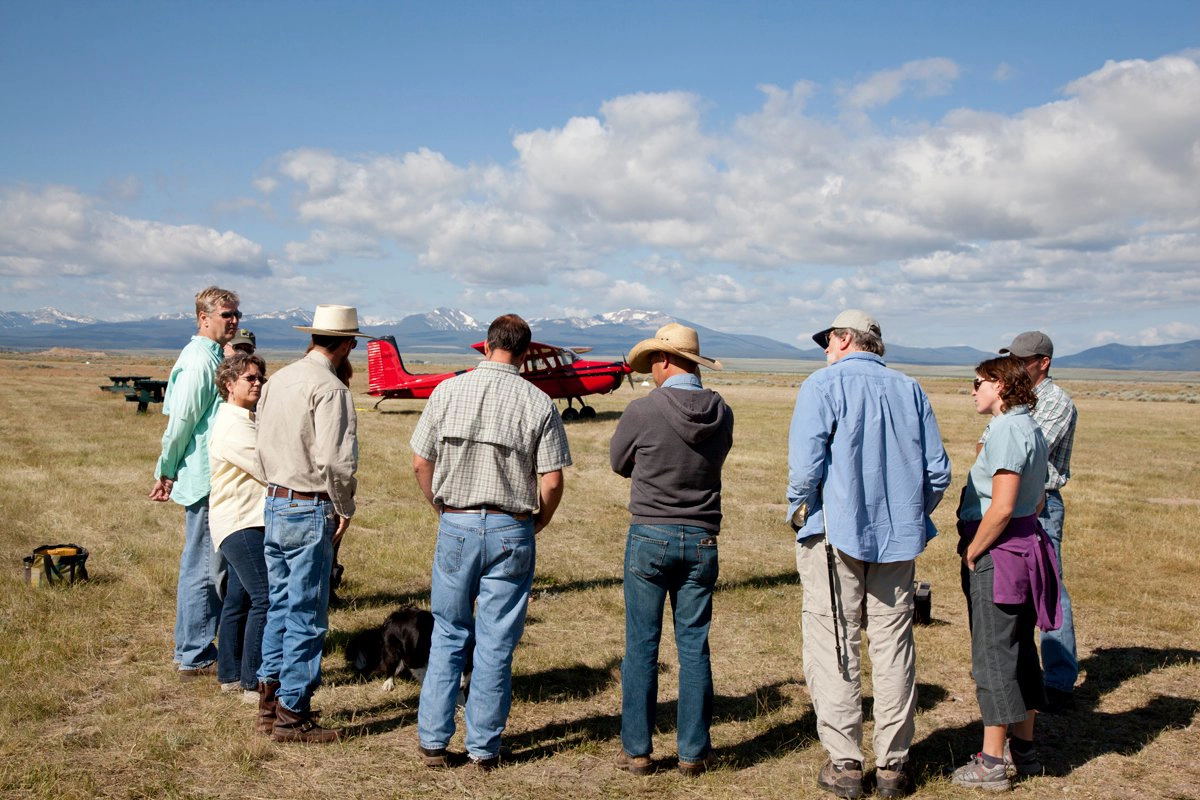
Stakeholders received an aerial tour over Montana’s Big Hole River Valley. Pilot Chris Boyer’s Cessna is set up for photography but also gives passengers a great view of the Earth below. Photo: Volunteer Pilot Chris Boyer.
The first consideration is who and what will be on board. Is it a survey scientist? Photographers and their equipment? Gray Wolves in transport crates? The answer shapes everything that follows.
A photographer with a GoPro mounted to a wing strut can fly in almost any aircraft, but photographers shooting through open windows tend to prefer a high-wing aircraft that keeps plexiglass and wings out of the frame. Wildlife transport missions depend on cargo size. Young abalone can fit in many types of small planes, but a Gray Wolf crate requires much more space.
Passenger flights bring their own considerations, too, depending on how many researchers, decision-makers, or agency staff are on board. Together, these factors determine the size and type of aircraft needed and move us to the next step in planning: range and speed.
Distance is a major factor. For a flight within a few hundred miles of a LightHawk pilot’s home airport, most planes have the fuel range to complete the mission. Cross-country flights require aircraft with greater fuel capacity and faster cruising speeds. These longer missions are often endangered species transports. Larger animals, like wolves, require aircraft with enough cabin space and cargo door access for their crates, while smaller species like black-footed ferrets or sea turtles can often be transported in smaller aircraft. Aircraft like a Bonanza or Cirrus are well suited for many of these trips, while longer distances or larger cargo may call for turboprops such as the Pilatus PC-12 or King Air, or jets such as the Cessna 500.
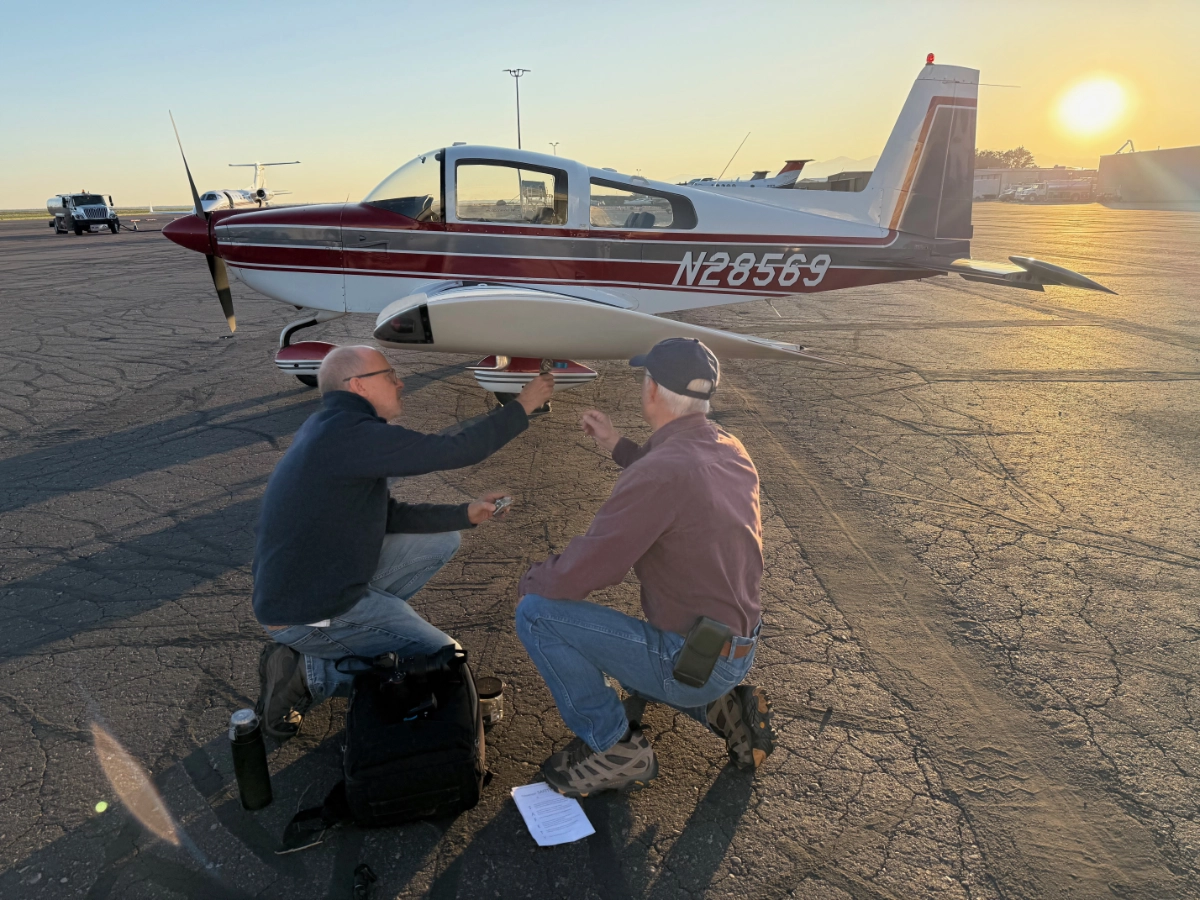
Pilot and partner attach a video camera to the wing of a Grumman Tiger ahead of a media flight in New Mexico. The Tiger can also fly with the canopy open, making it a good photo flight option. Photo: Karen Coates | Pilot: Barry Harper
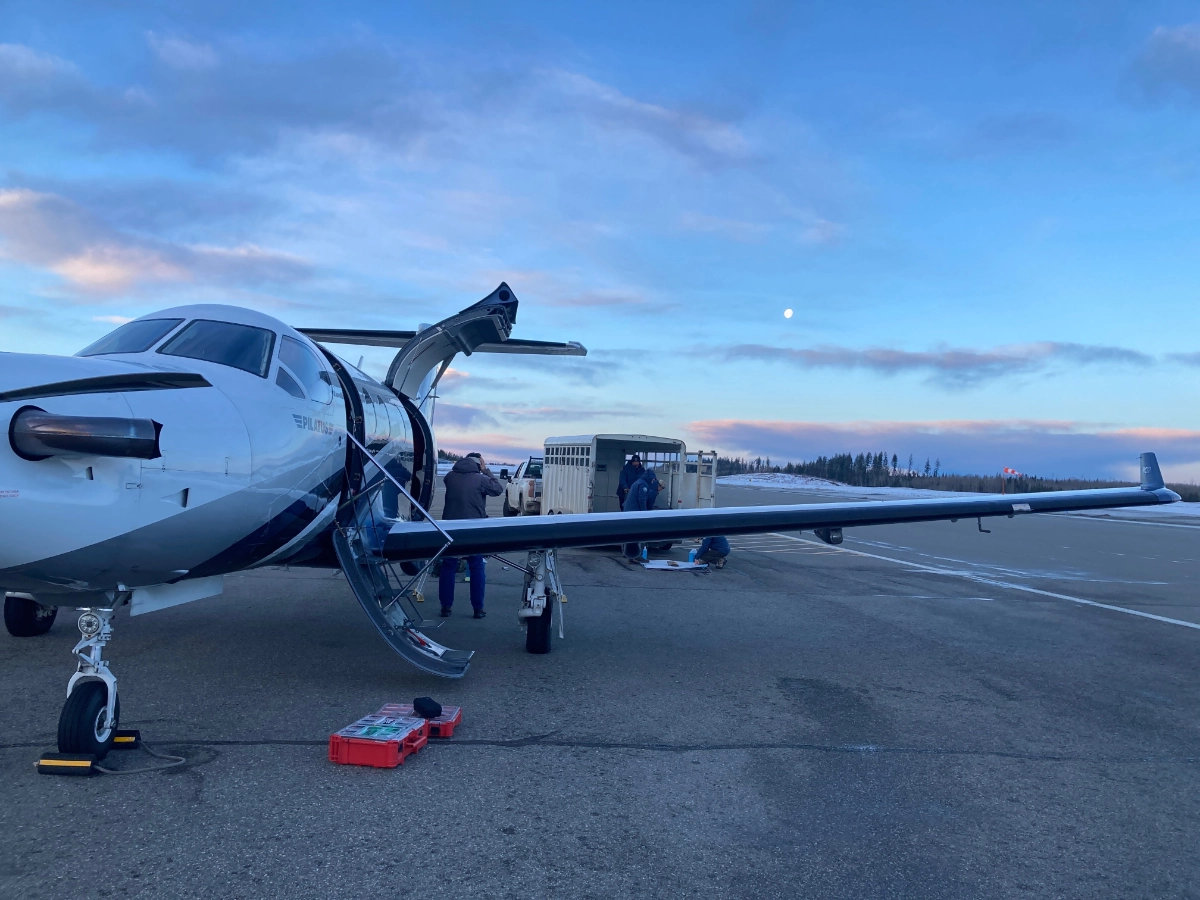
The Pilatus PC-12 has been a workhorse aircract for LightHawk. It’s cargo doors allow large wildlife crates to be easily loaded and its long-range abilities support cross-country transports. Photo: Jim Becker
Weight and balance are other important parts of the equation, especially in small aircraft. If a plane is loaded too heavily, it may not be able to take off safely, and improper weight distribution affects how it performs in flight. Every pilot calculates the best placement of passengers, cargo, and fuel to keep the aircraft within safe operating limits. These calculations also affect how much fuel can be carried and how far the aircraft can fly before having to land.
At every step, LightHawk’s team works with conservation partners to make sure the right aircraft is paired with each mission. It’s a decision most people never think about, but once in the air, the value of that planning becomes clear.
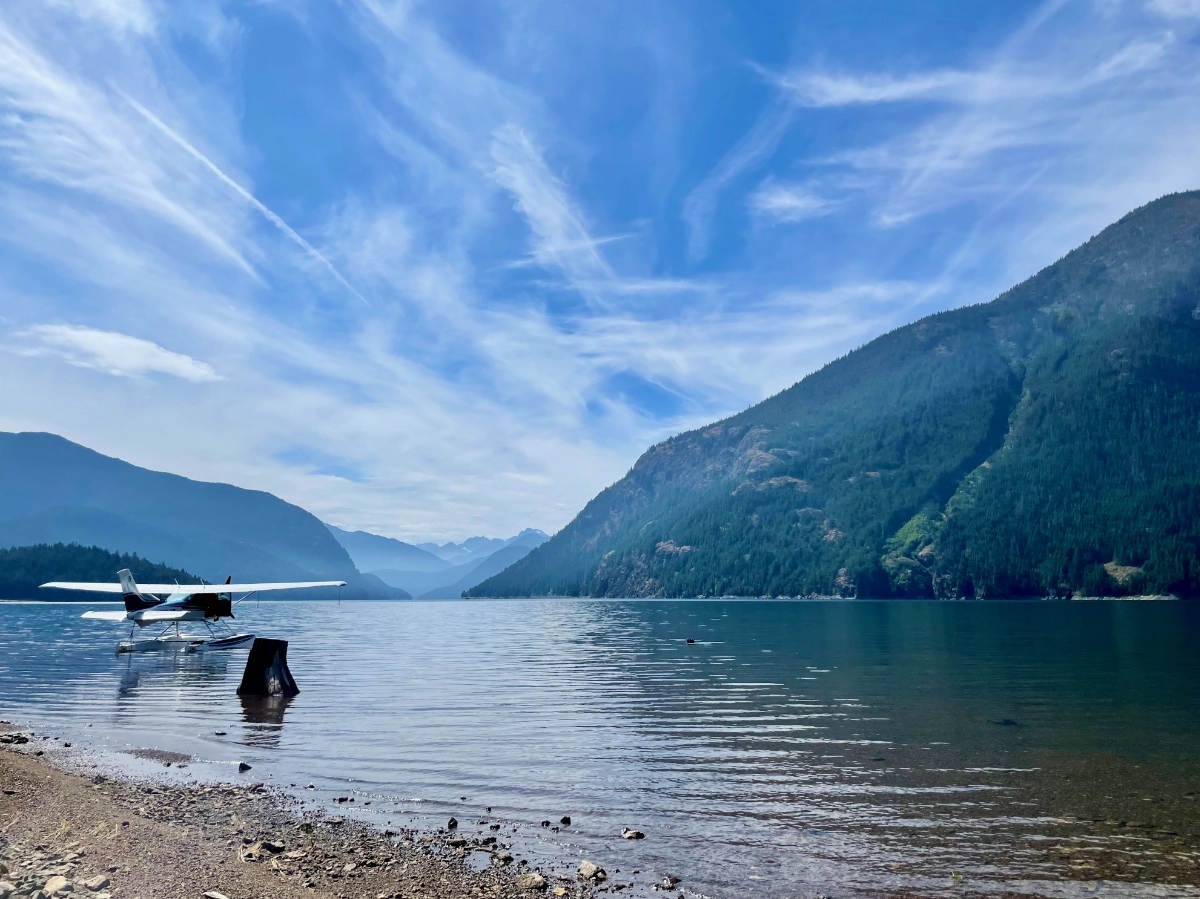
Accessing mountain lakes can be difficult but with the use of a float plane, our partners gain access that would be challenging on the ground. Photo: Teresa Hagerty | Pilot: Donald Goodman
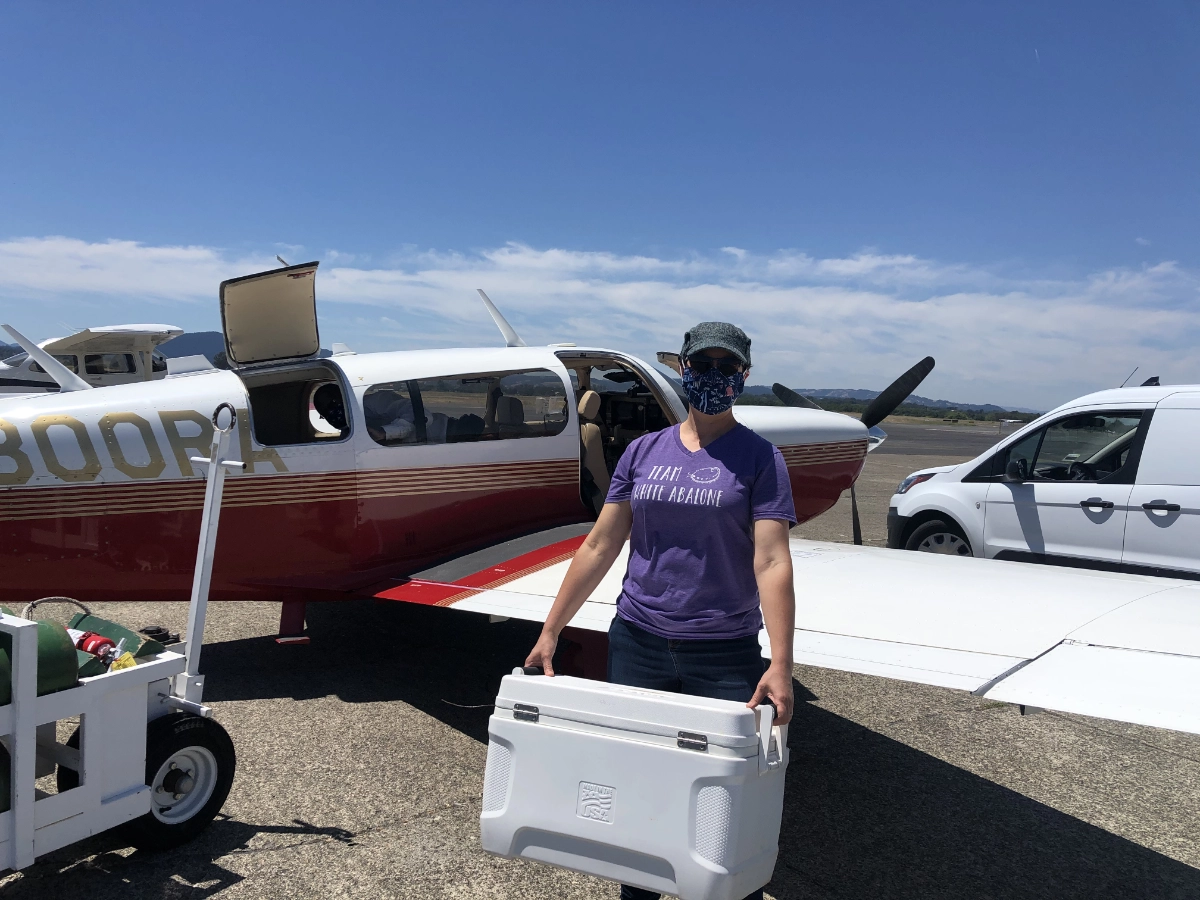
Low-wing aircraft like this Mooney are great for transporting smaller animals like coolers of white abalone headed to new homes in California. Photo: The Bay Foundation | Pilot: John Baker