
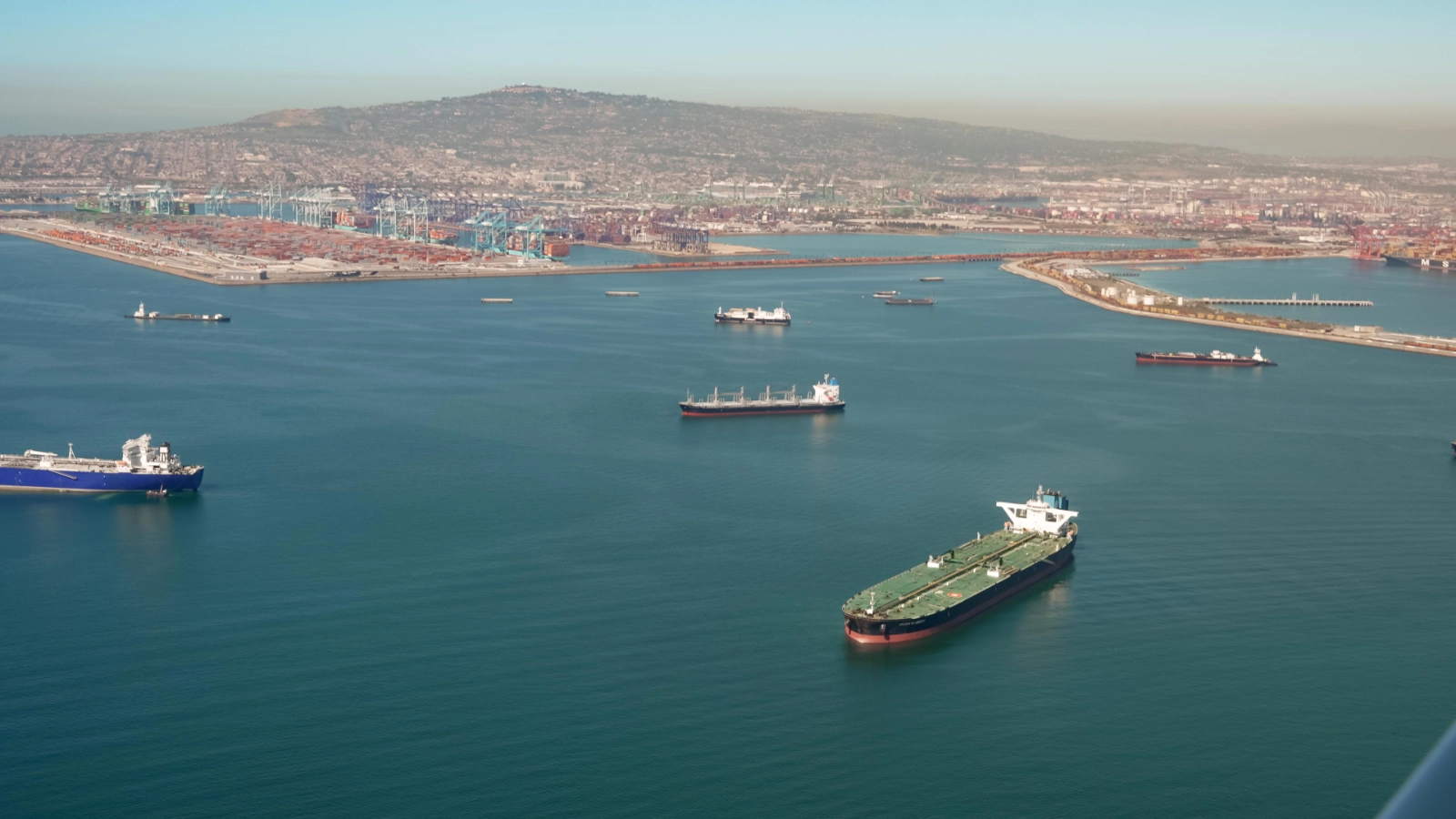
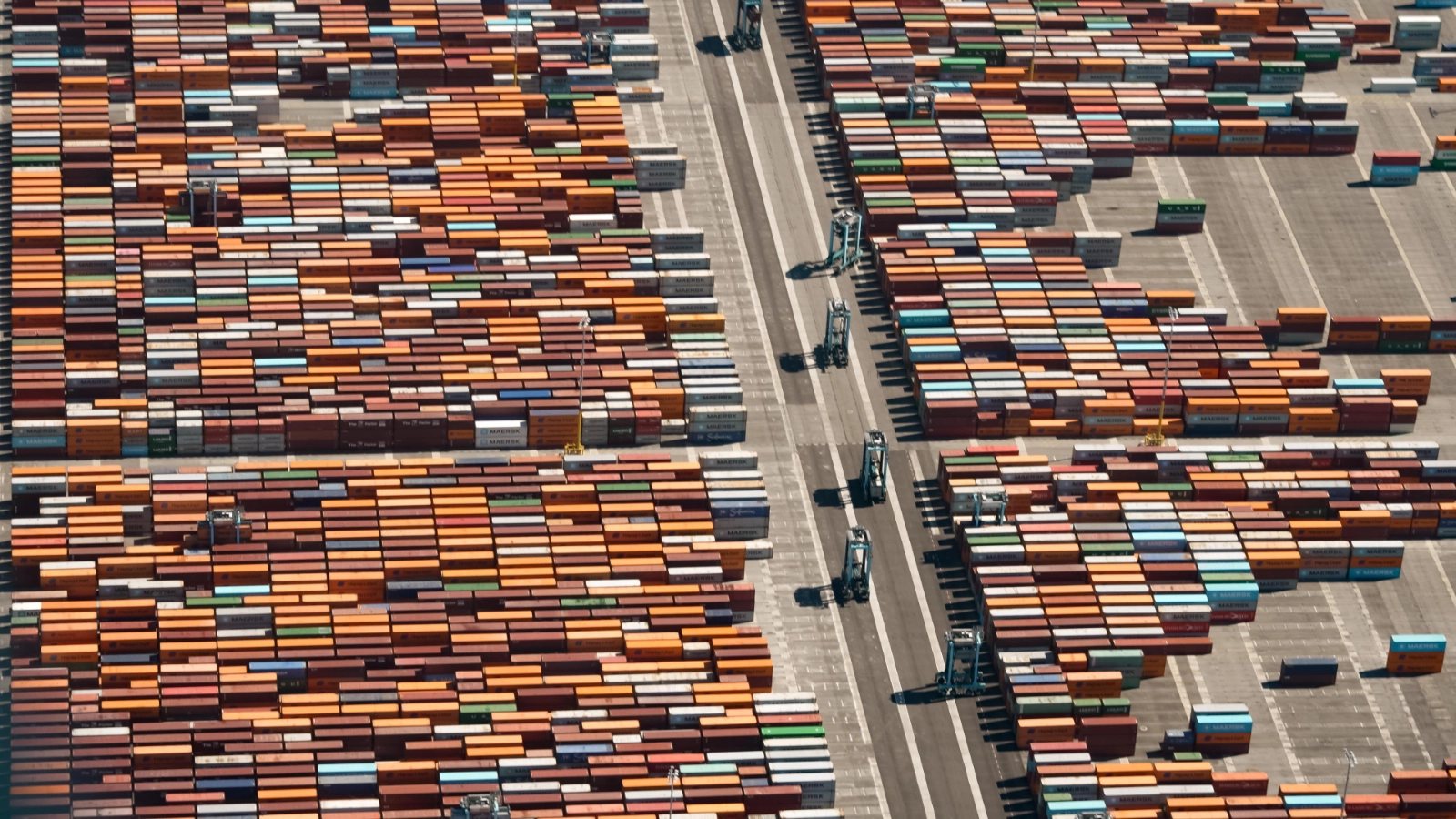
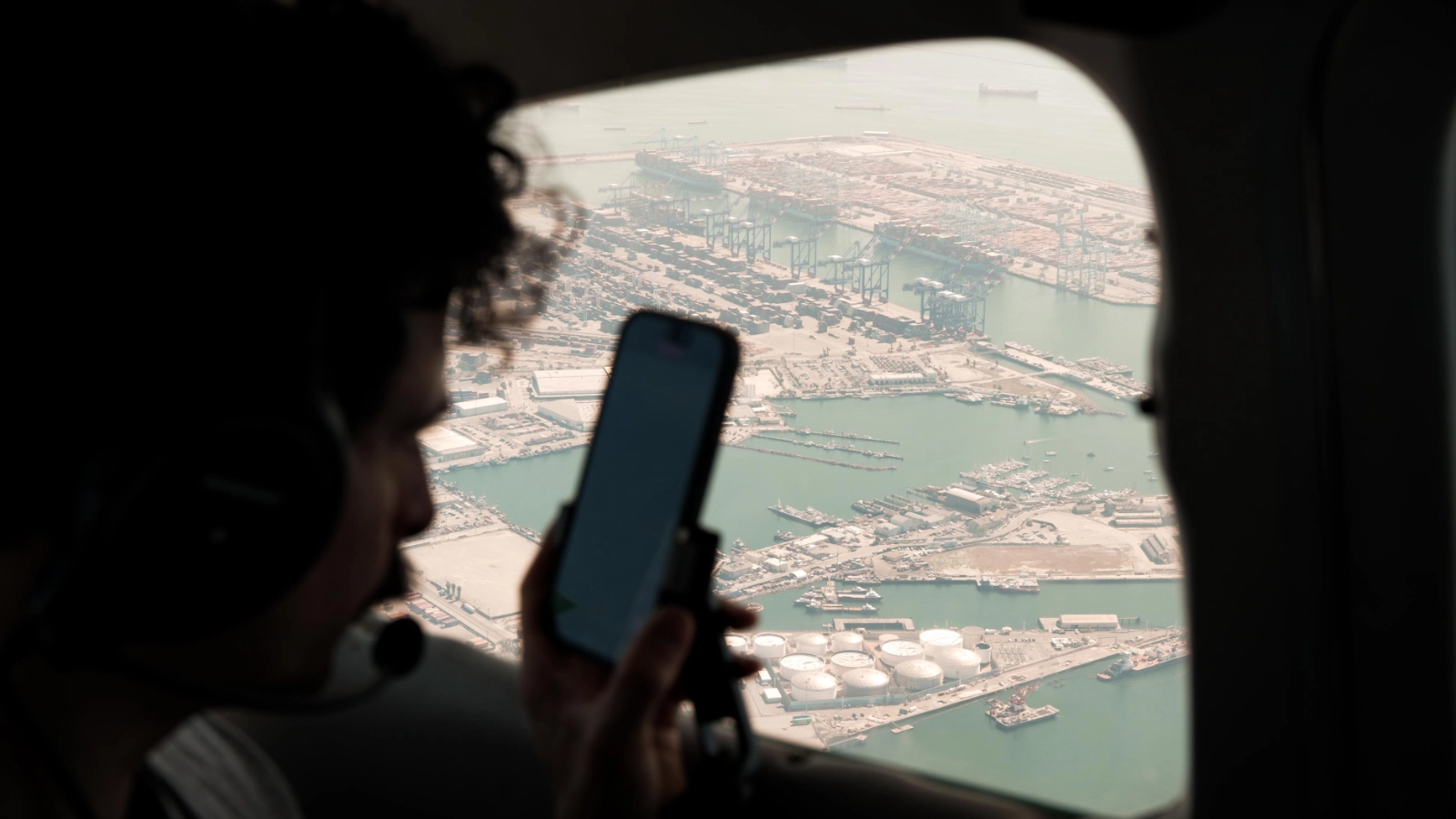
Along the coast of Southern California lies the Ports of Los Angeles and Long Beach, a maze of cargo ships, oil tankers, and infrastructure and one of the busiest gateways in the global supply chain. They’re also a source of emissions that contribute to climate change and local air quality impacts.
Media partner Capital & Main reached out to LightHawk for aerial support on a story examining methane and other emissions tied to port activity.
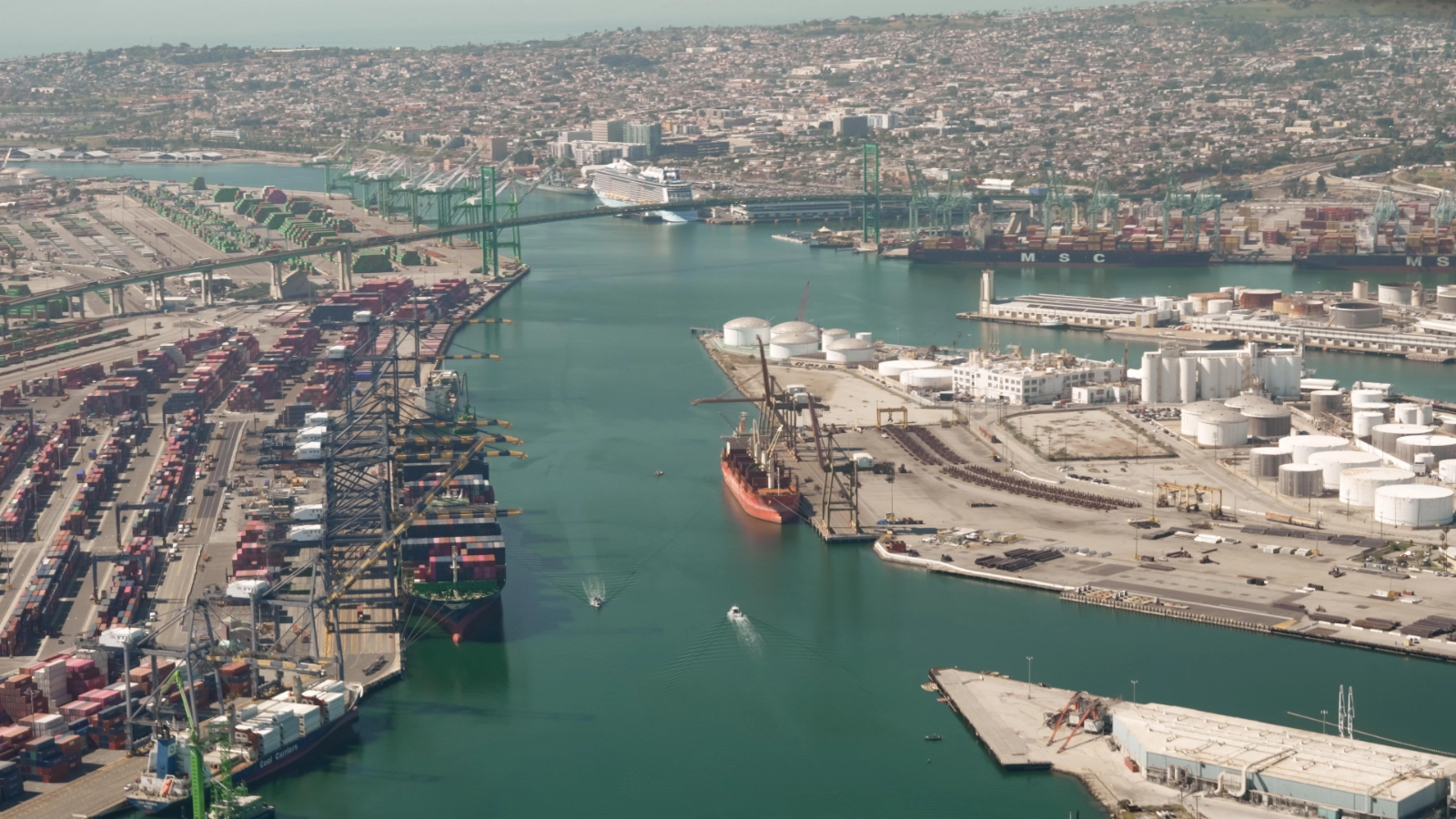
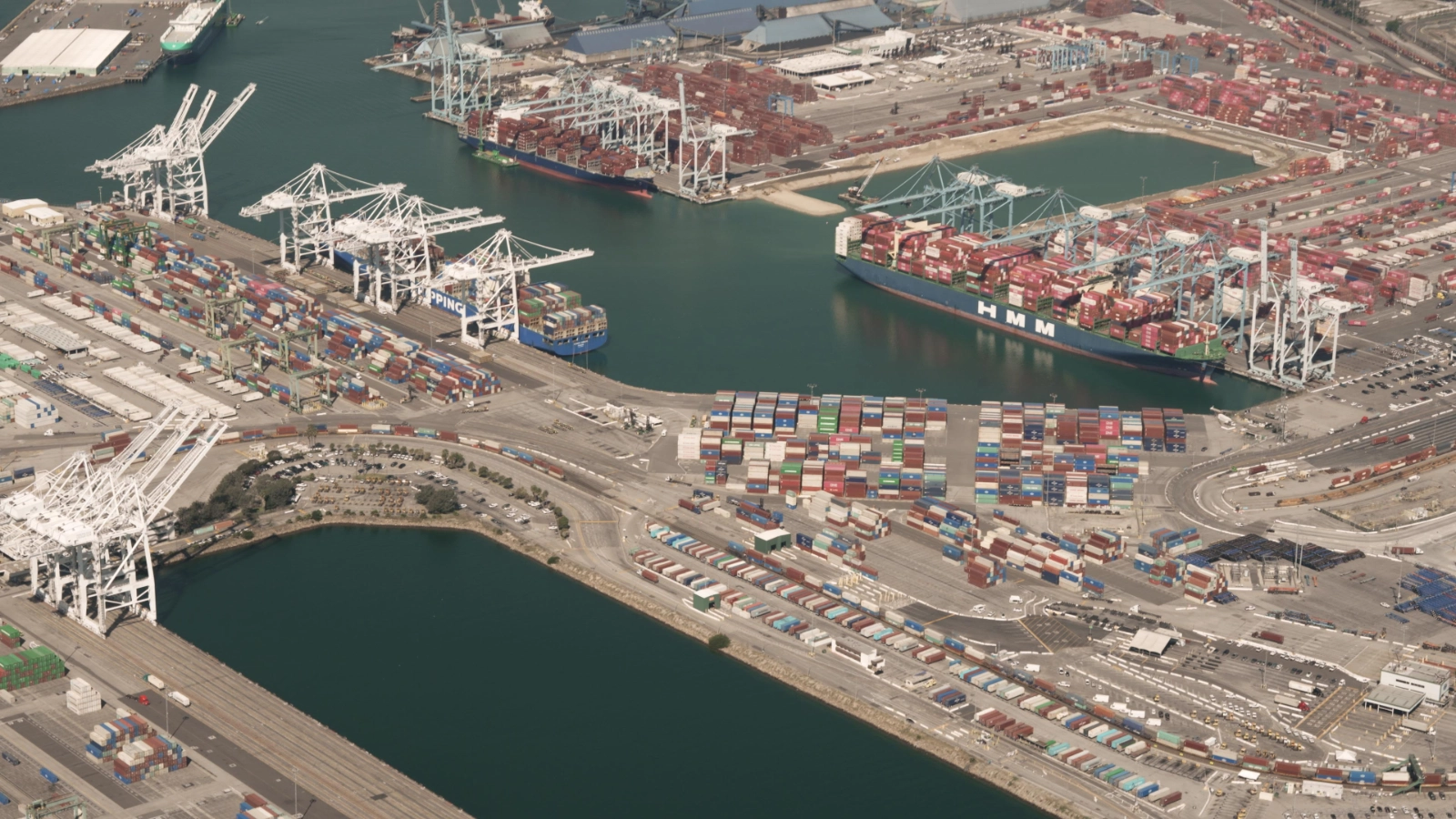
Oil tankers and cargo ships transport billions of dollars in commodities across oceans for import into the U.S. To do so, they burn diesel fuel to power massive underwater propellers. Even in port, those engines continue running to supply power as ships unload along the dock.
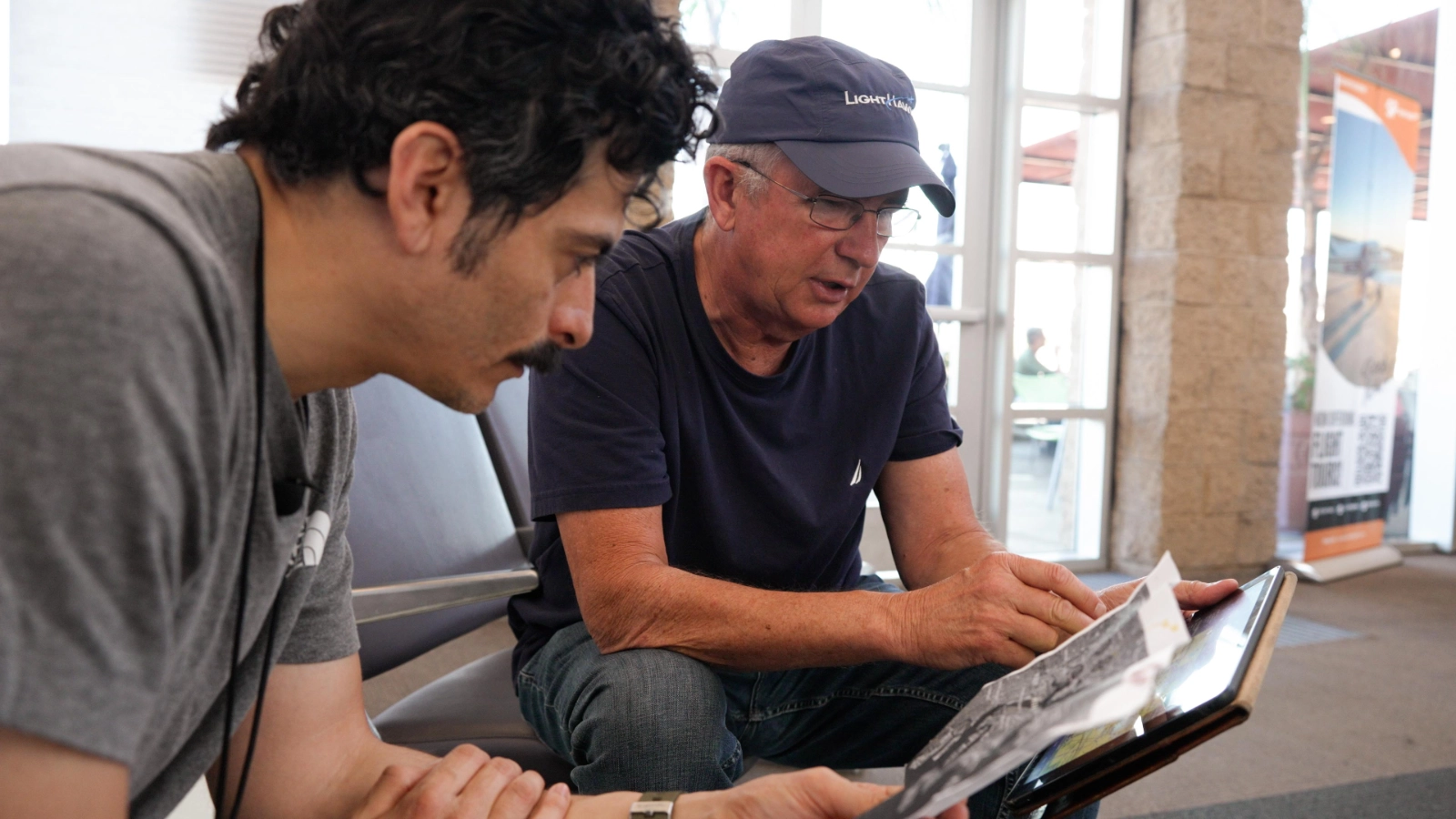
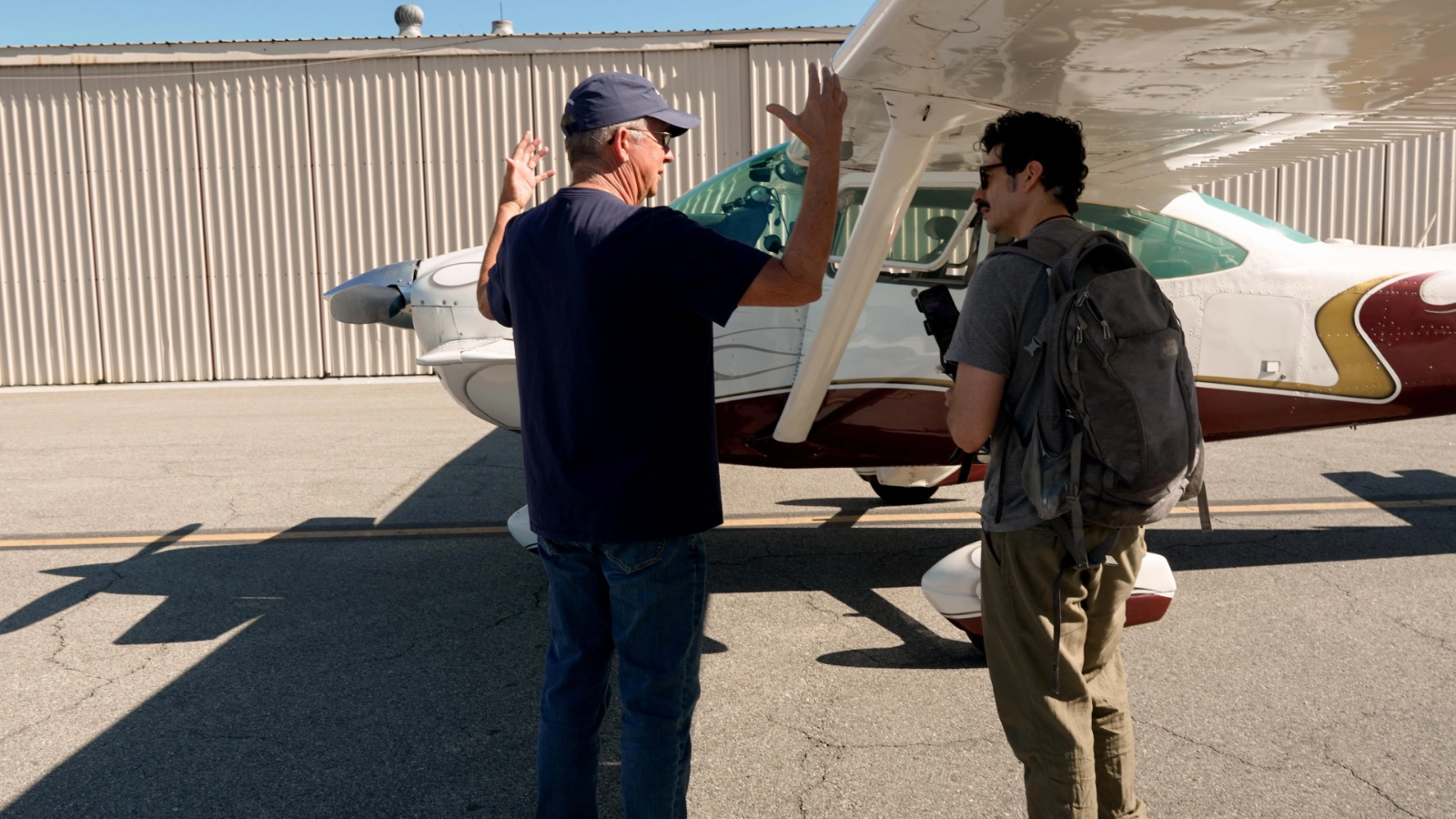
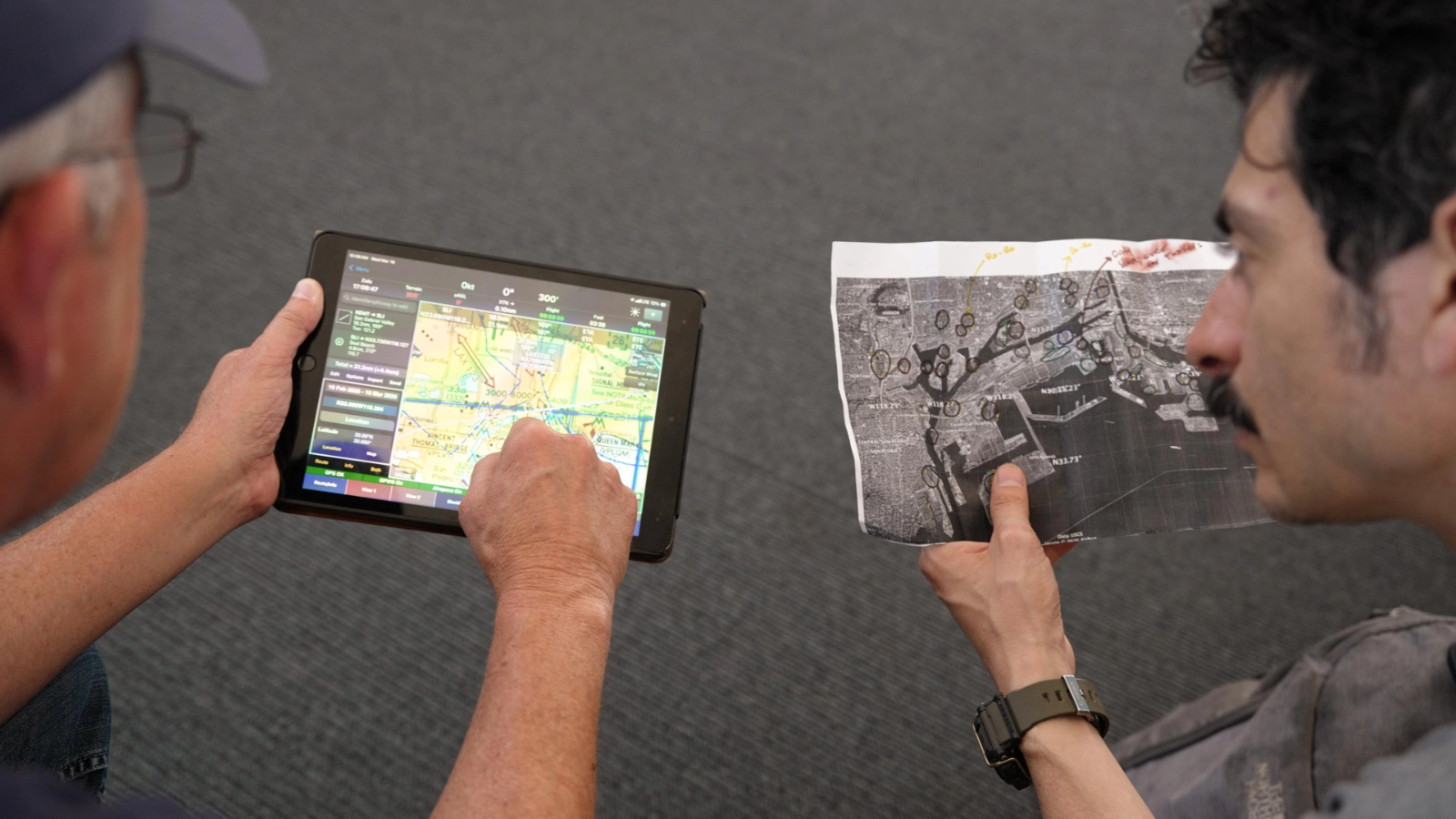
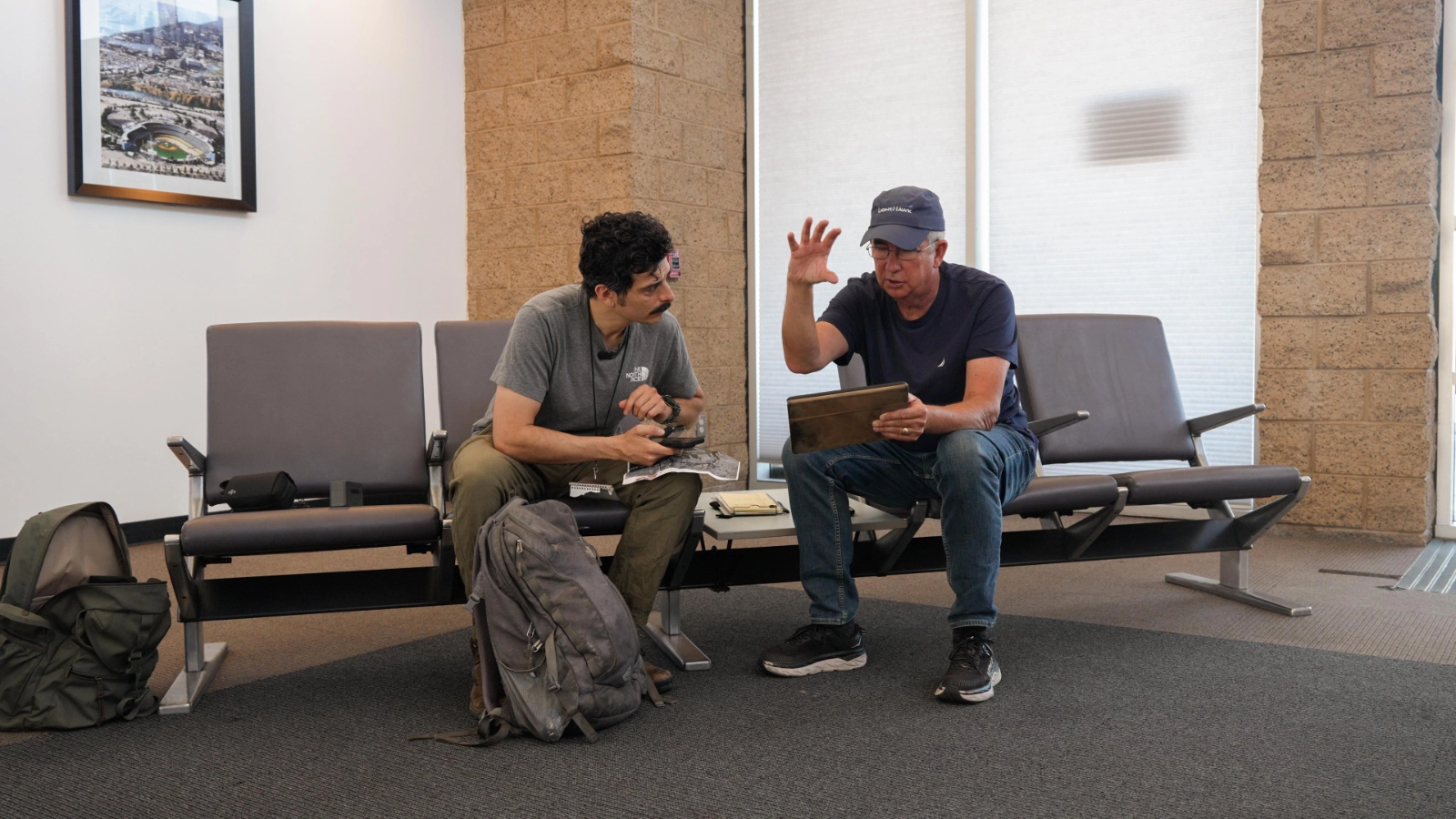
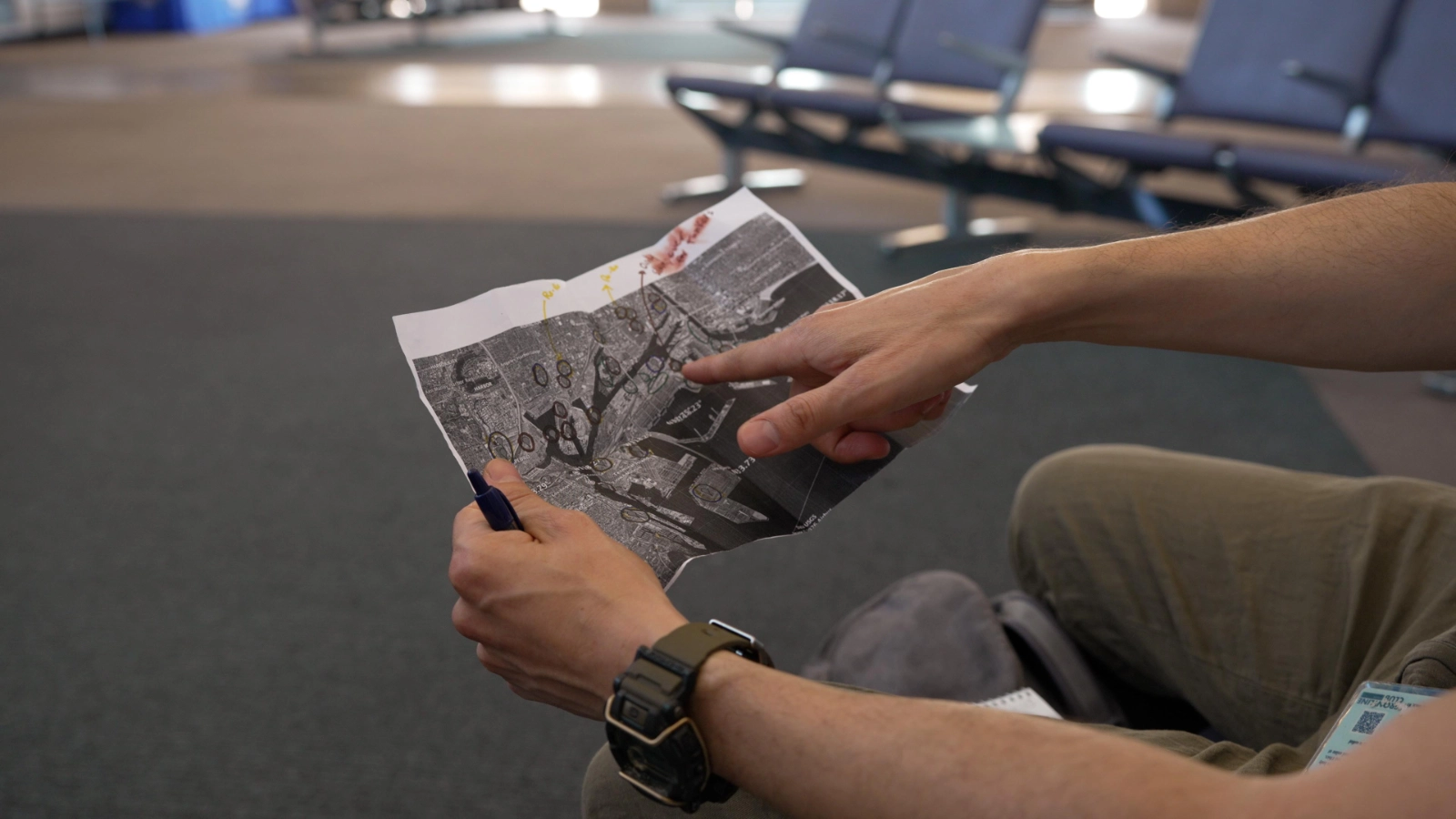
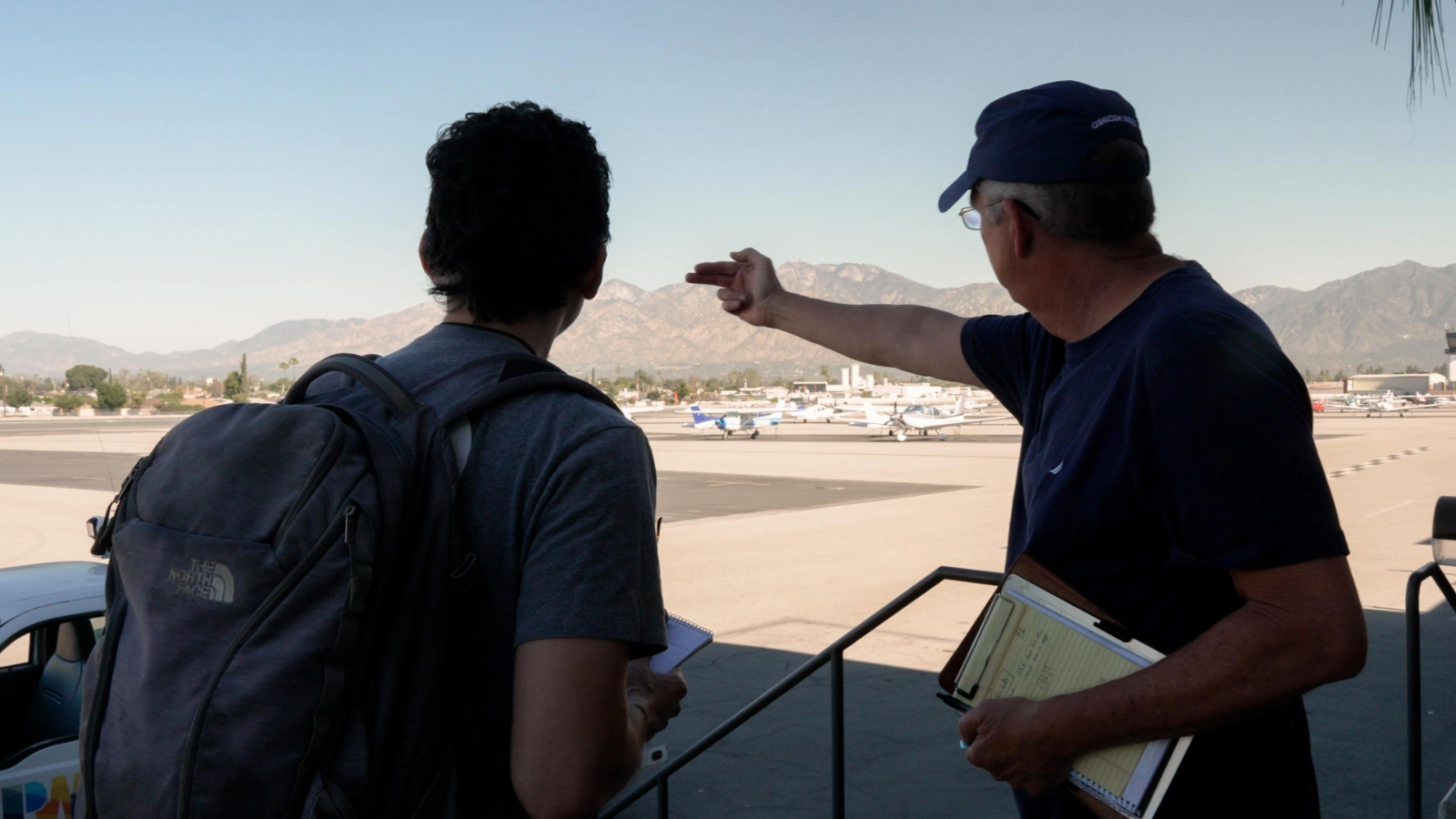
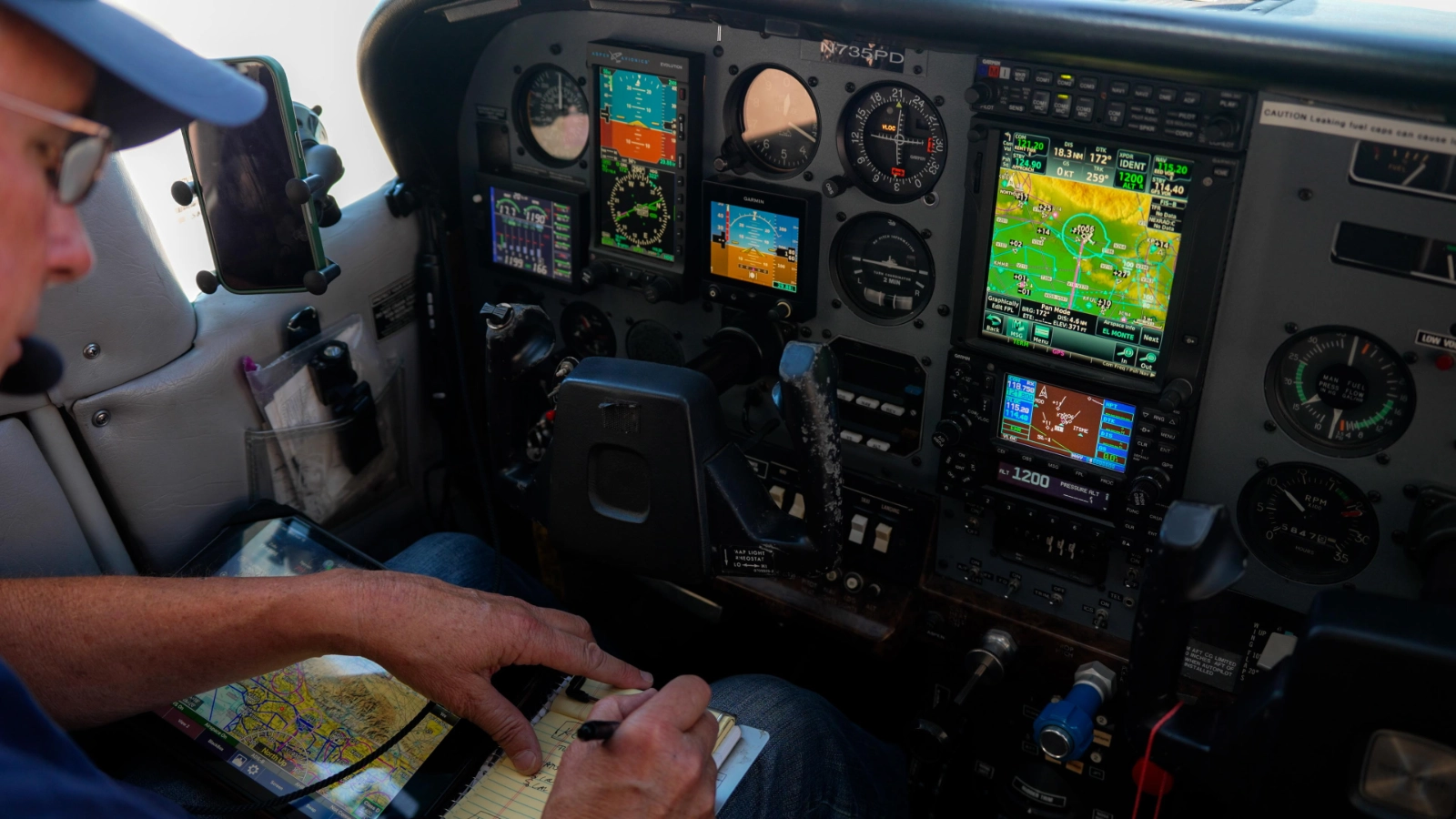
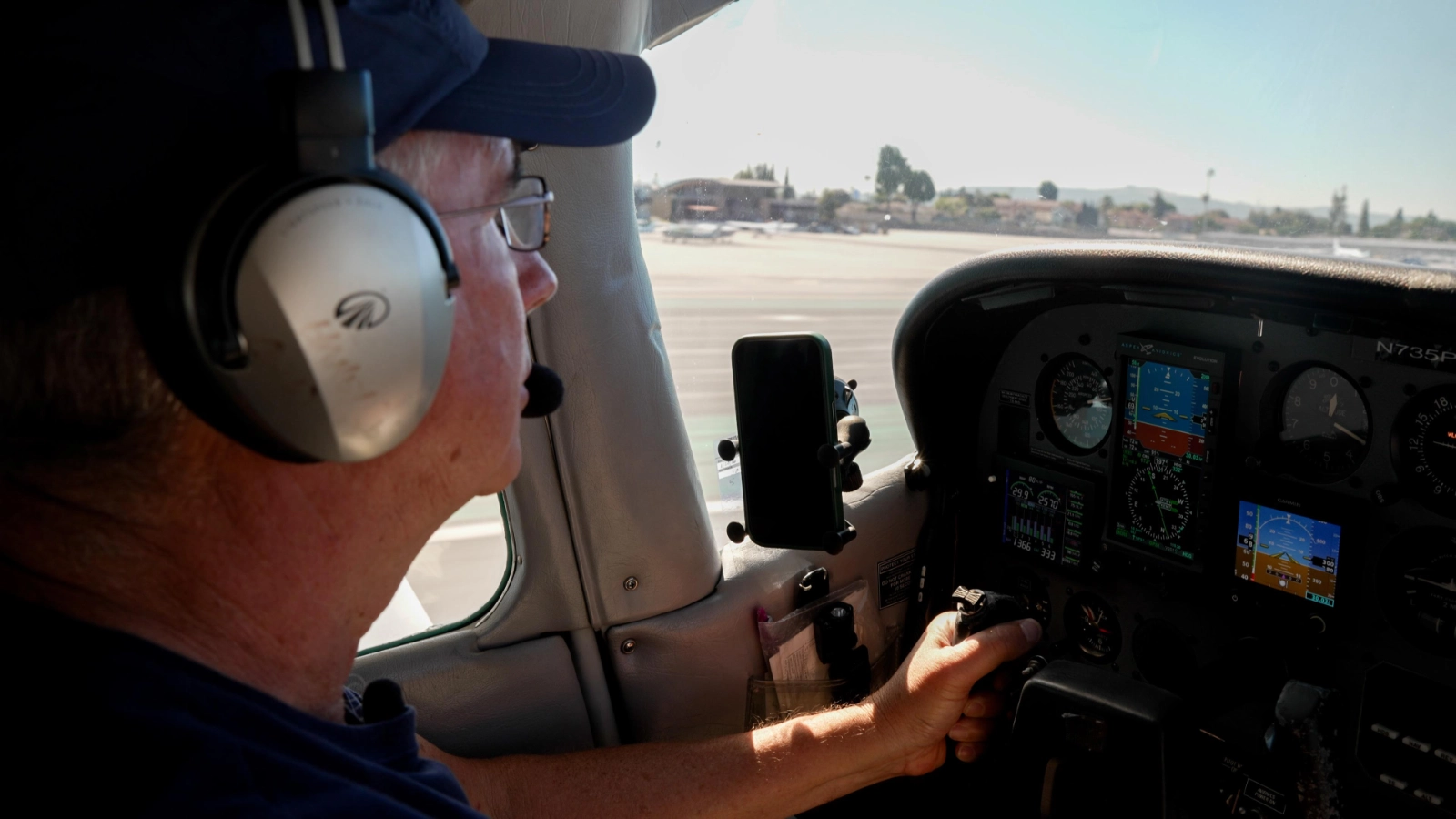
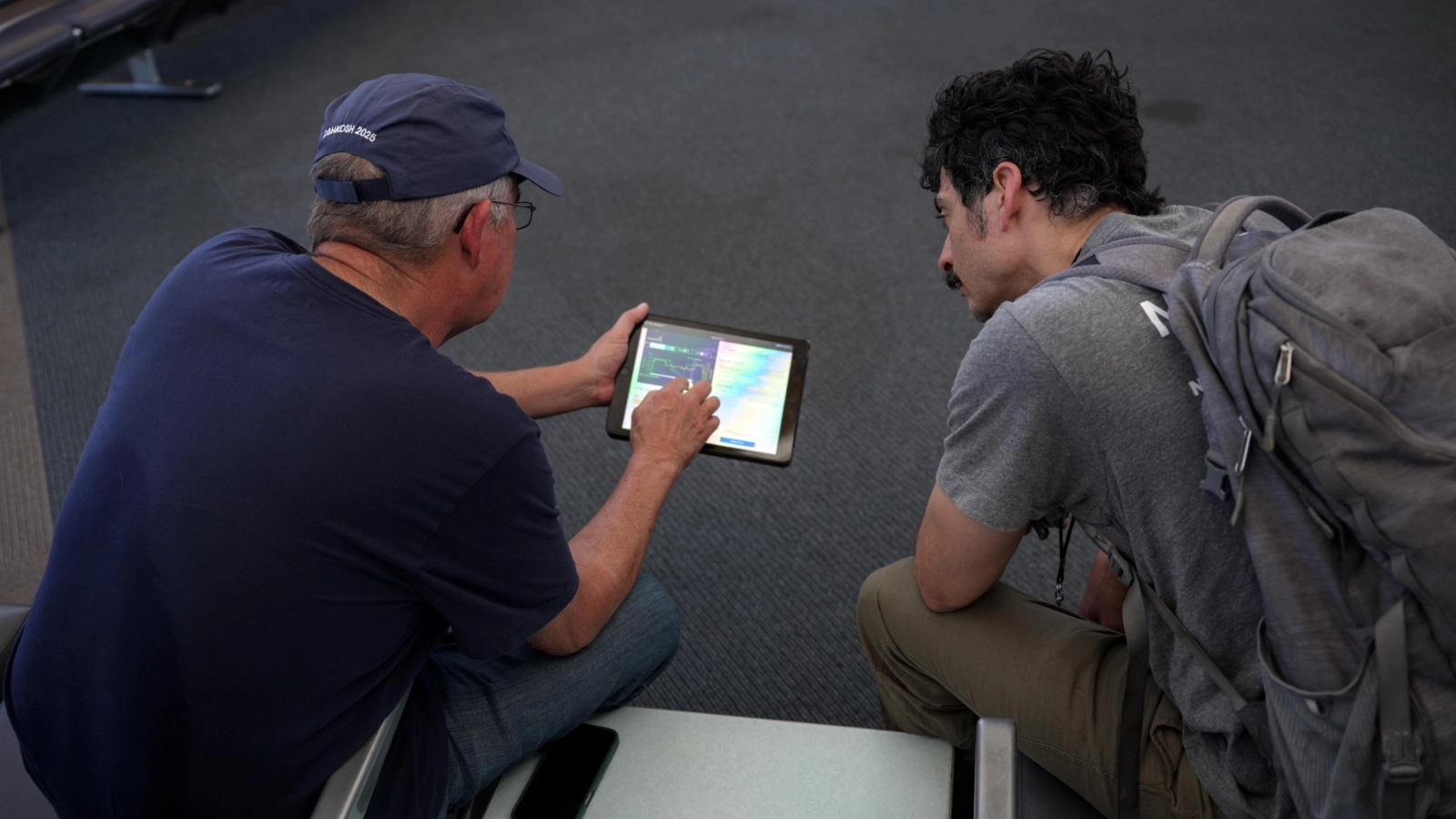
Volunteer pilot James Haney took their journalists aloft to capture that perspective. James has flown several LightHawk missions, ranging from white abalone transport to cross-border conservation work in Mexico. This flight stood out to him because it combined investigative journalism with a complex industrial landscape. As he put it, the team was “looking at emissions in the ports in terms of idling ships and also wanting to see some of the oil industry that’s also embedded in that particular area.”
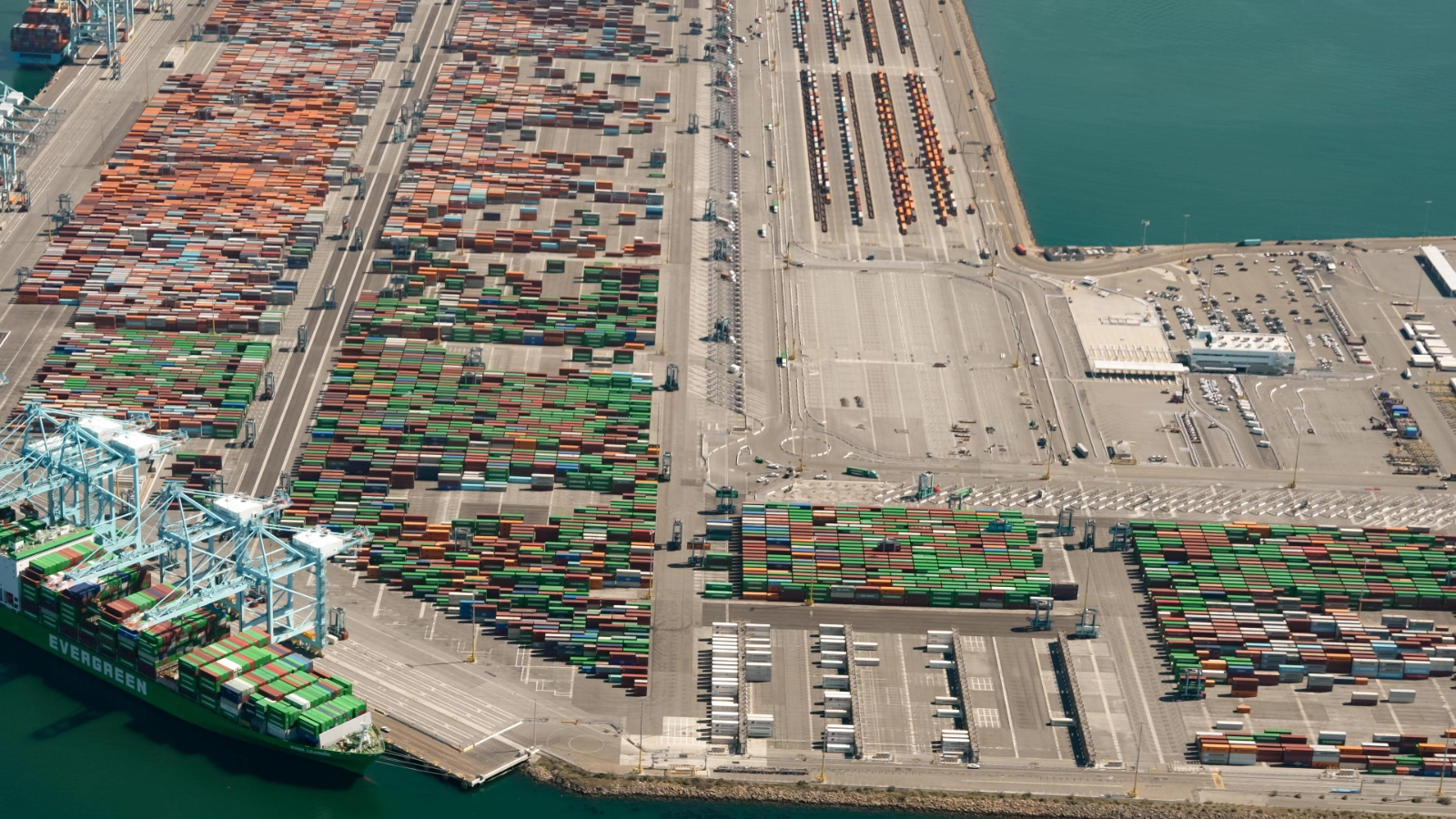
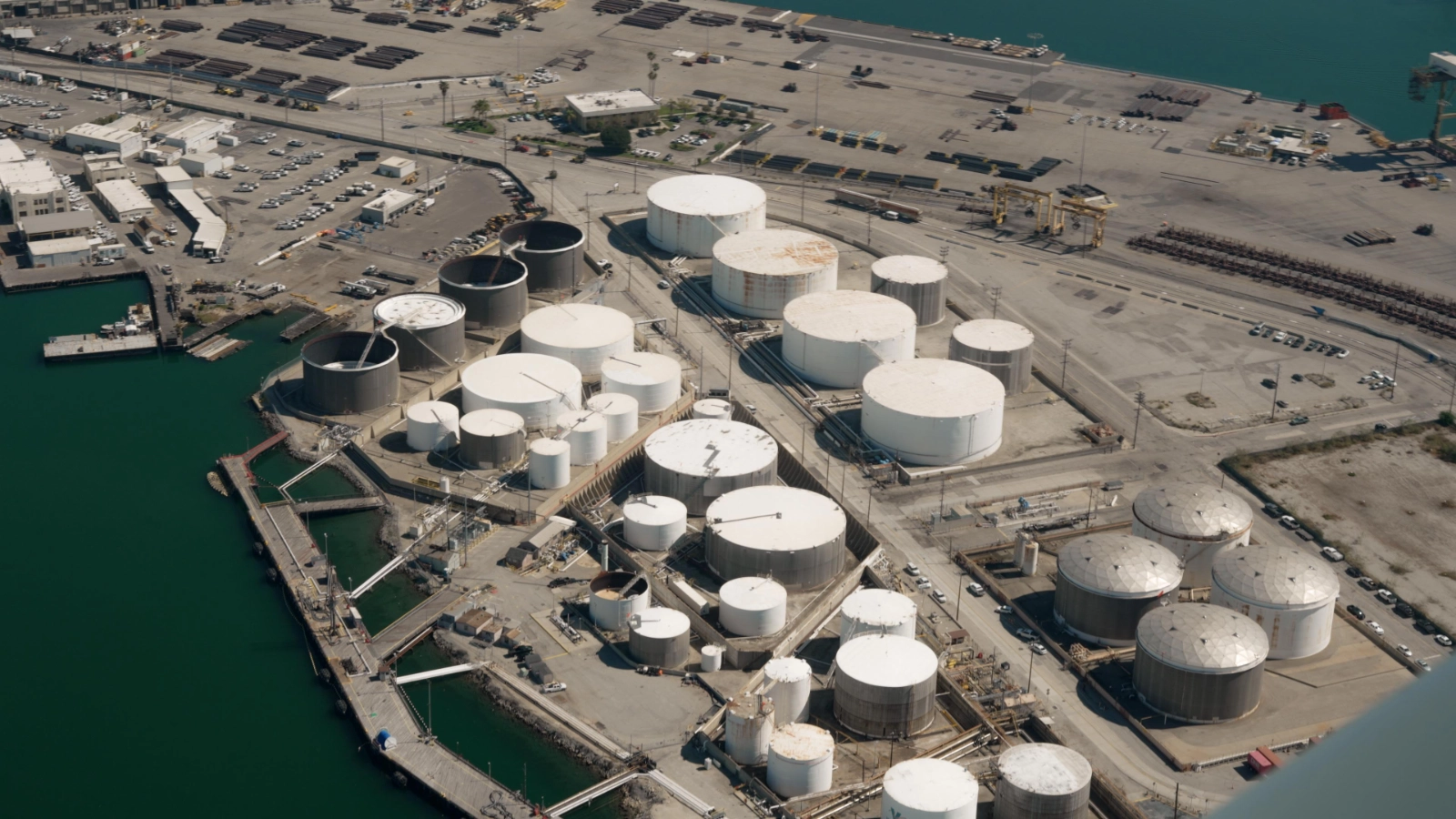
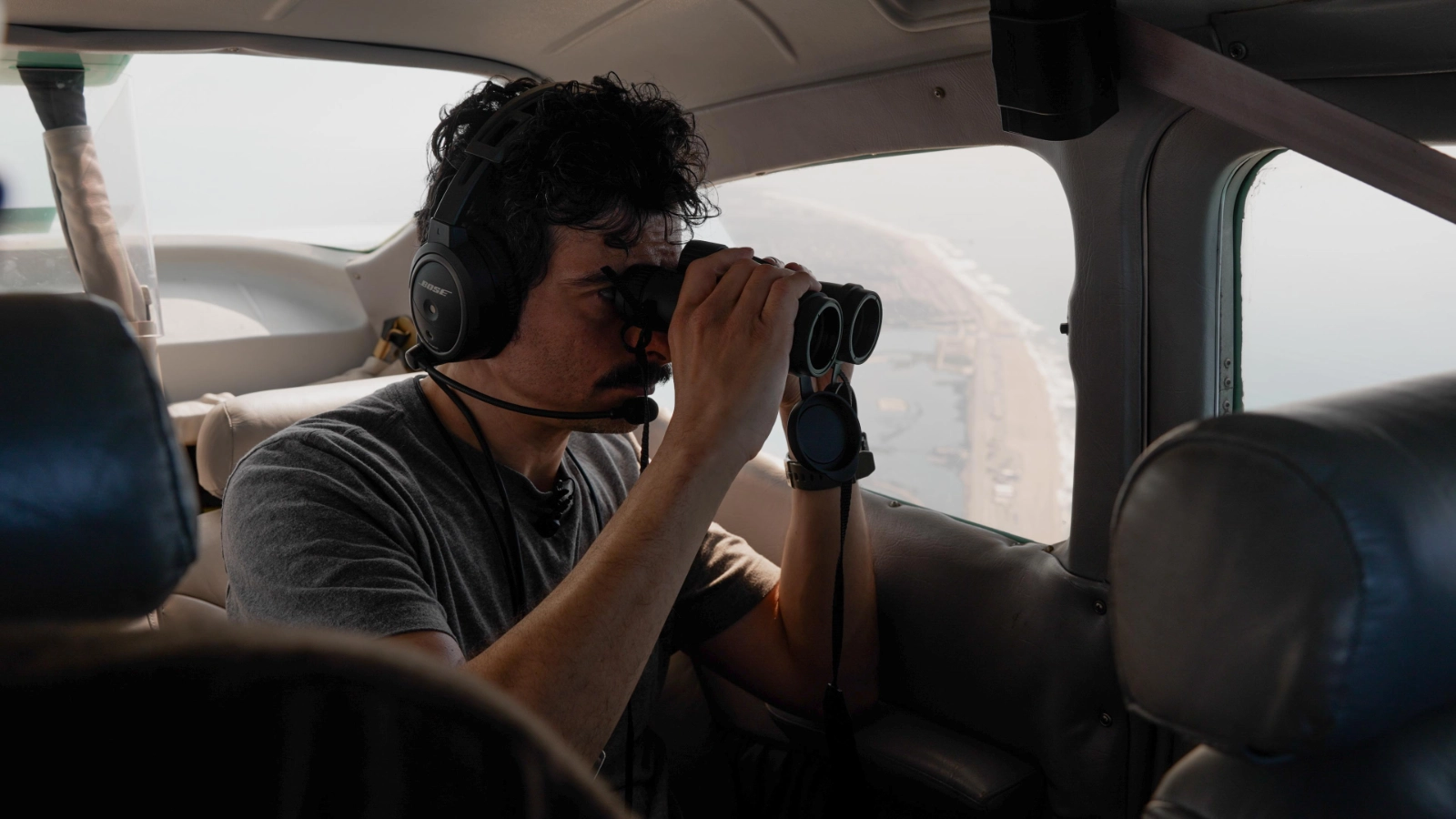
The original plan included an optical gas imaging camera, but when the operator couldn’t join, the team pivoted—bringing a photographer instead to document the ports from above.
James identified two key challenges that shaped the flight: coastal weather and tightly controlled airspace. “Long Beach can be overcast and the visibility can be low.” That would impact their ability to observe the ports and capture photographs.
The second challenge was airspace. The proximity of Long Beach and Torrance airports meant careful coordination with air traffic control. “I wanted to stay on with ATC but didn’t want to go in and out of Long Beach and Torrance’s airspace. Otherwise, I’d be switching radios and holding up the traffic.” James mapped a route that maintained communication with ATC while avoiding unnecessary airspace transitions, keeping the flight efficient and focused on the mission.
The payoff came with the weather. James said, “a Santa Ana wind event blew out the marine overcast, so it gave them great options for still photography.”
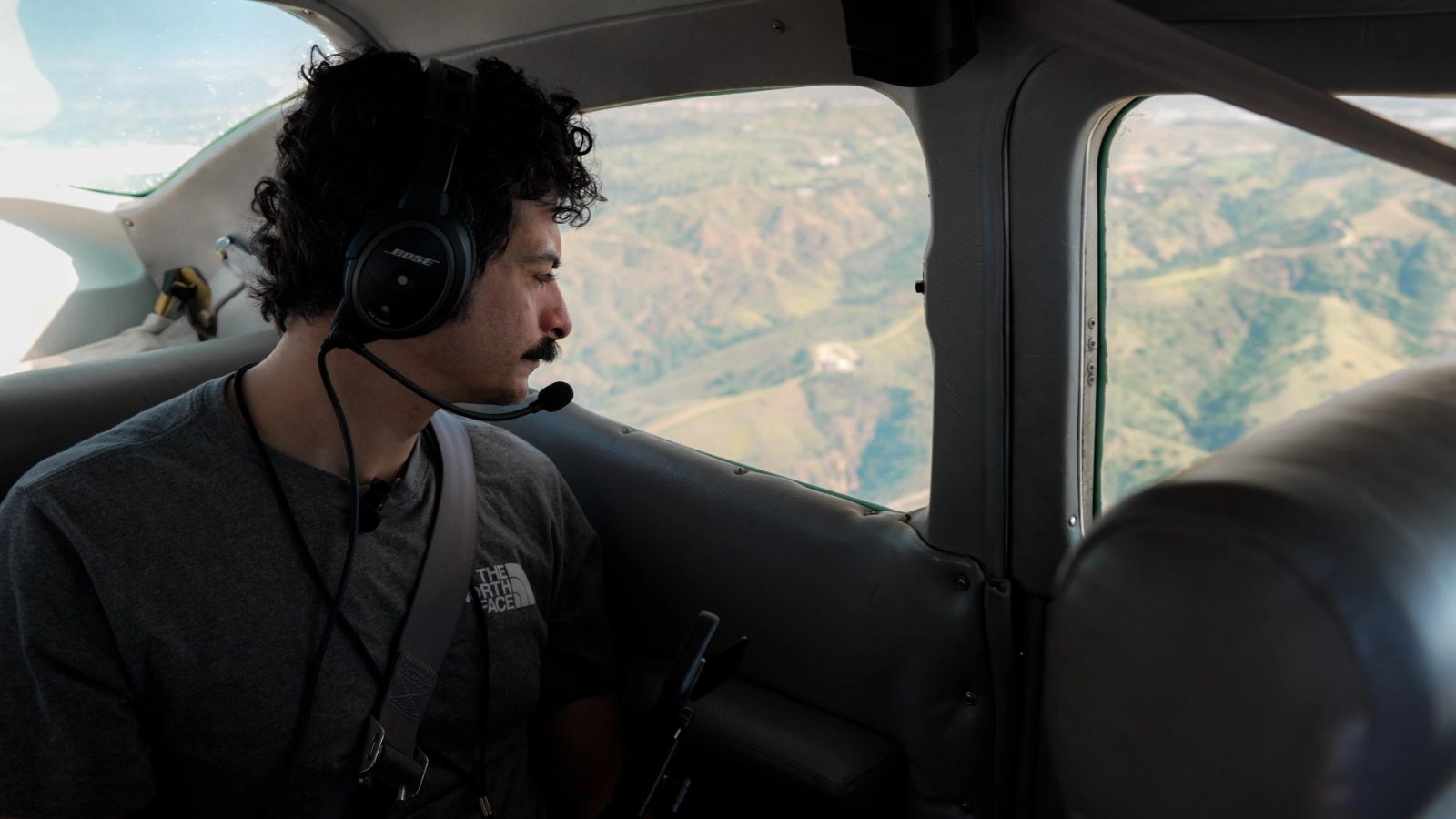
Flying at altitudes of 500 to 1,000 feet above ground, the photographer was able to capture stunning imagery. Over the water and away from conflicts on the surface, James was able to drop as low as 200 feet, which the photographers really appreciated.
Despite expectations of more traffic due to nearby flight schools, it was a smooth flight overall with only light turbulence on the way back to the airport. James said, “We were able to make the adjustments to fit their needs, and they were a good group to work with.”
James also expected to encounter bird activity at the altitudes they were flying but was surprised to have no issues. He said, “They must be dissuaded by all the activity that takes place in the port.”
With the flight complete, James offered to fly again if the team is able to bring the optical gas imaging camera on a future mission—an example of the commitment LightHawk pilots bring to this work.
Outside of LightHawk, James uses both his plane and his dental skills (he’s a dentist!) with the group Mission Flight, a faith-based nonprofit that “compassionately connects people in need with hope, help, and healing both internationally and locally.”
Flights like this one provide a unique view of threats to climate resilience—one that can only be gained from above. Bringing attention to port emissions can help inform decisions that improve air quality and strengthen climate resilience. That’s why we fly.
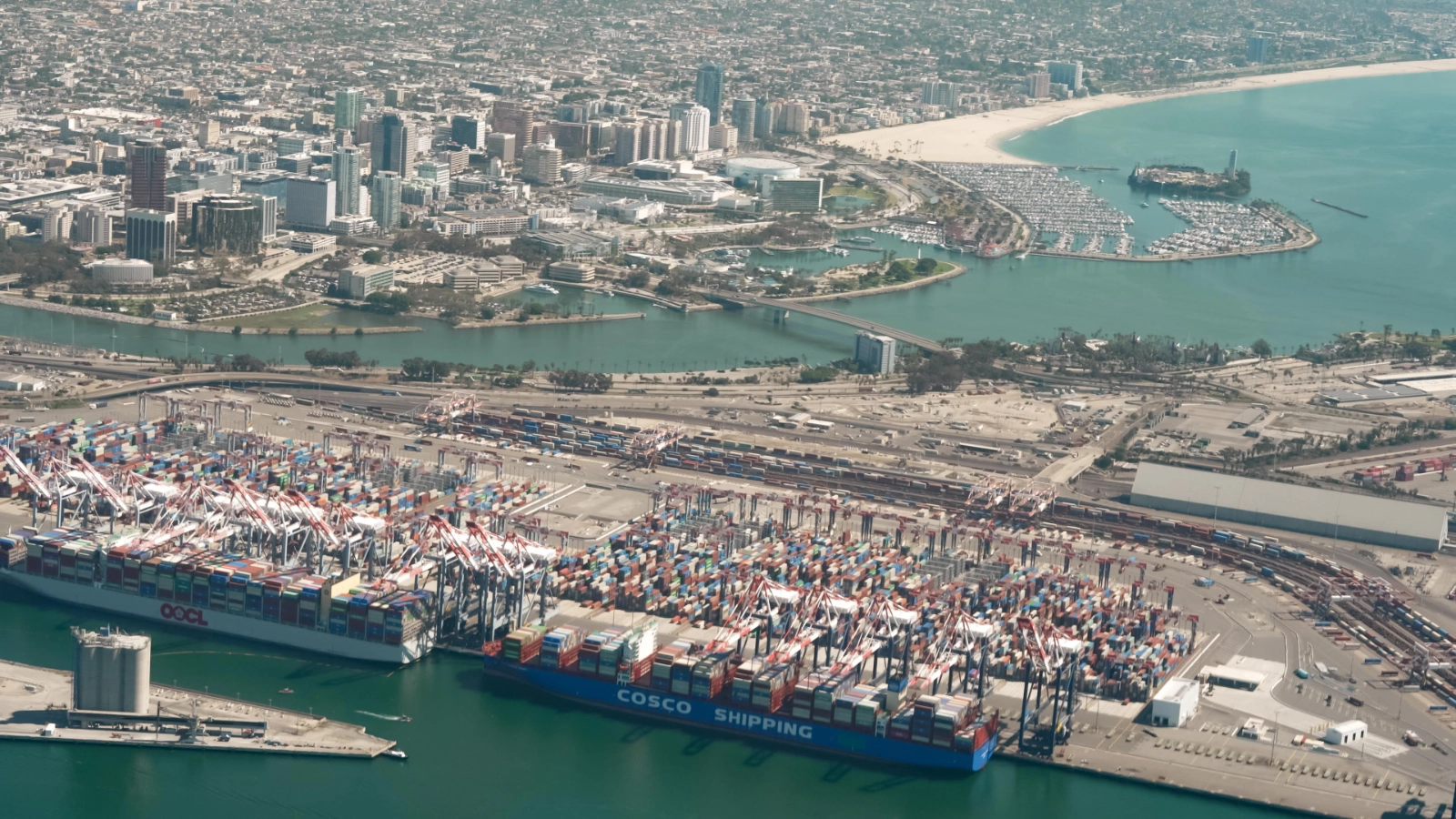
Photos: Jeremy Lindenfeld, Capital and Main | Pilot: James Haney