
Most pilots avoid the airspace around New York City whenever possible. Volunteer pilot Mike McNamara volunteered for it.
Partnering with The Nature Conservancy – New Jersey, Mike recently flew staff along the Passaic River to collect imagery and observe the surrounding landscape from above. The mission required navigating some of the busiest and most complex airspace in the country, including corridors serving airports across the New York metropolitan area.
Read more about conservation work this flight supported.
“I know that many of the other LightHawk pilots have an aversion to flying in the most congested and complicated airspace in the country,” Mike said. “I’ve flown LightHawk missions in that airspace and other flights around the New York area before.”
Mike started flying airplanes in 1991 after years spent skydiving. With more than 4,000 jumps under his belt, becoming a pilot felt like a natural progression. He purchased his Beechcraft Bonanza in 1995 and still flies the same aircraft today.
“We travel a lot in it,” Mike shared. “We’ve been to Alaska three times, Newfoundland four times, Baja, Guatemala, the Dominican Republic…”
For this flight, Mike coordinated with air traffic controllers before ever leaving the ground, mapping out a route that would safely allow conservation staff to gather imagery along the river while navigating heavy arrival and departure traffic.
“I called Caldwell Tower and coordinated with Teterboro ahead of time to let them know what we were planning to do,” Mike explained.
With the preflight planning complete, they got in the Bonanza and took to the sky.
“I told controllers I was flexible with altitude, which helped. I departed Caldwell at 1,500 feet, staying above the student traffic and 300 feet below arrivals into Morristown. When I got to Teterboro, they put me up to 1,800 feet and later dropped me to 1,000 feet as we moved south. That’s pretty low for such a congested area,” Mike shared.
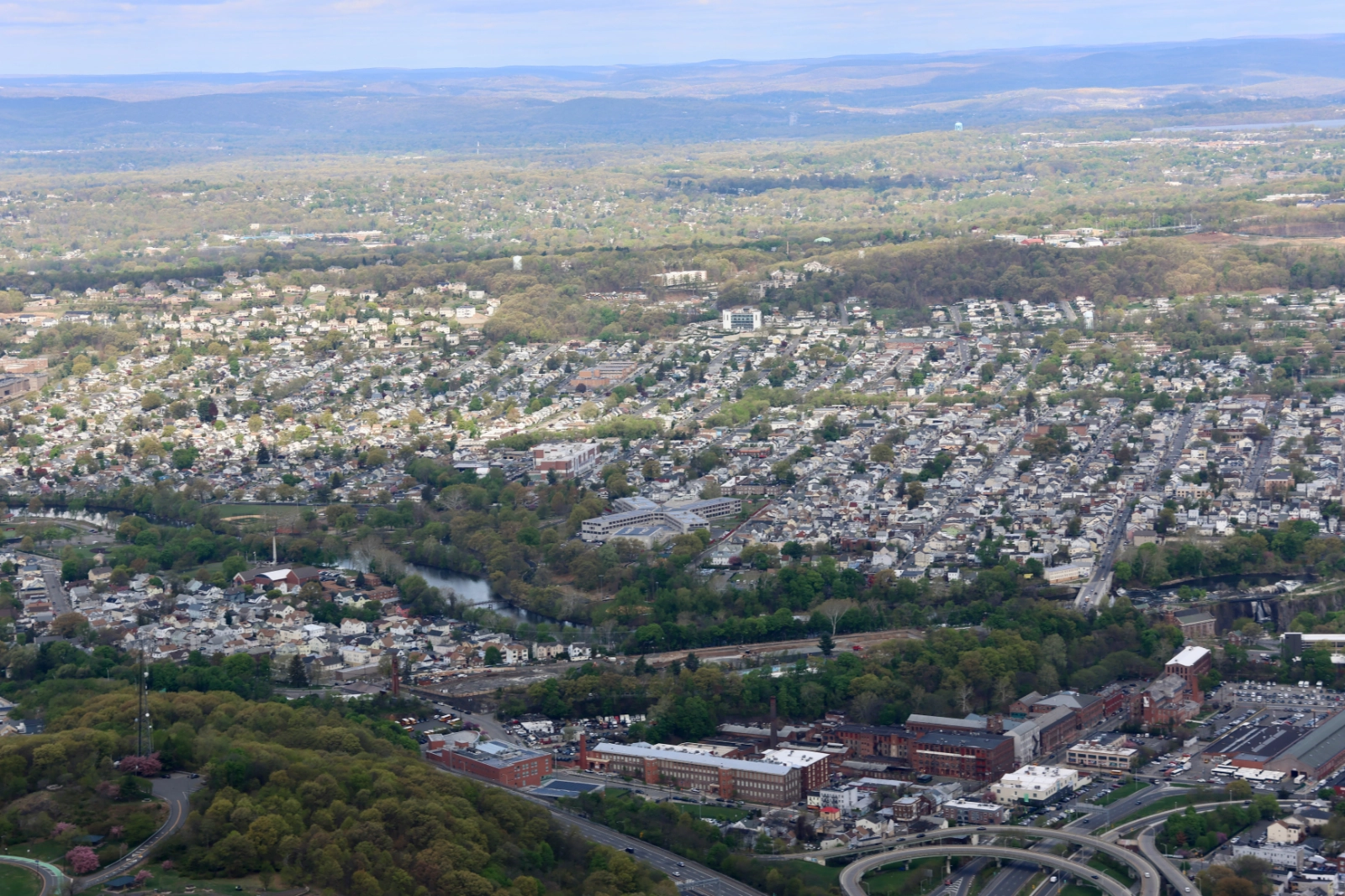
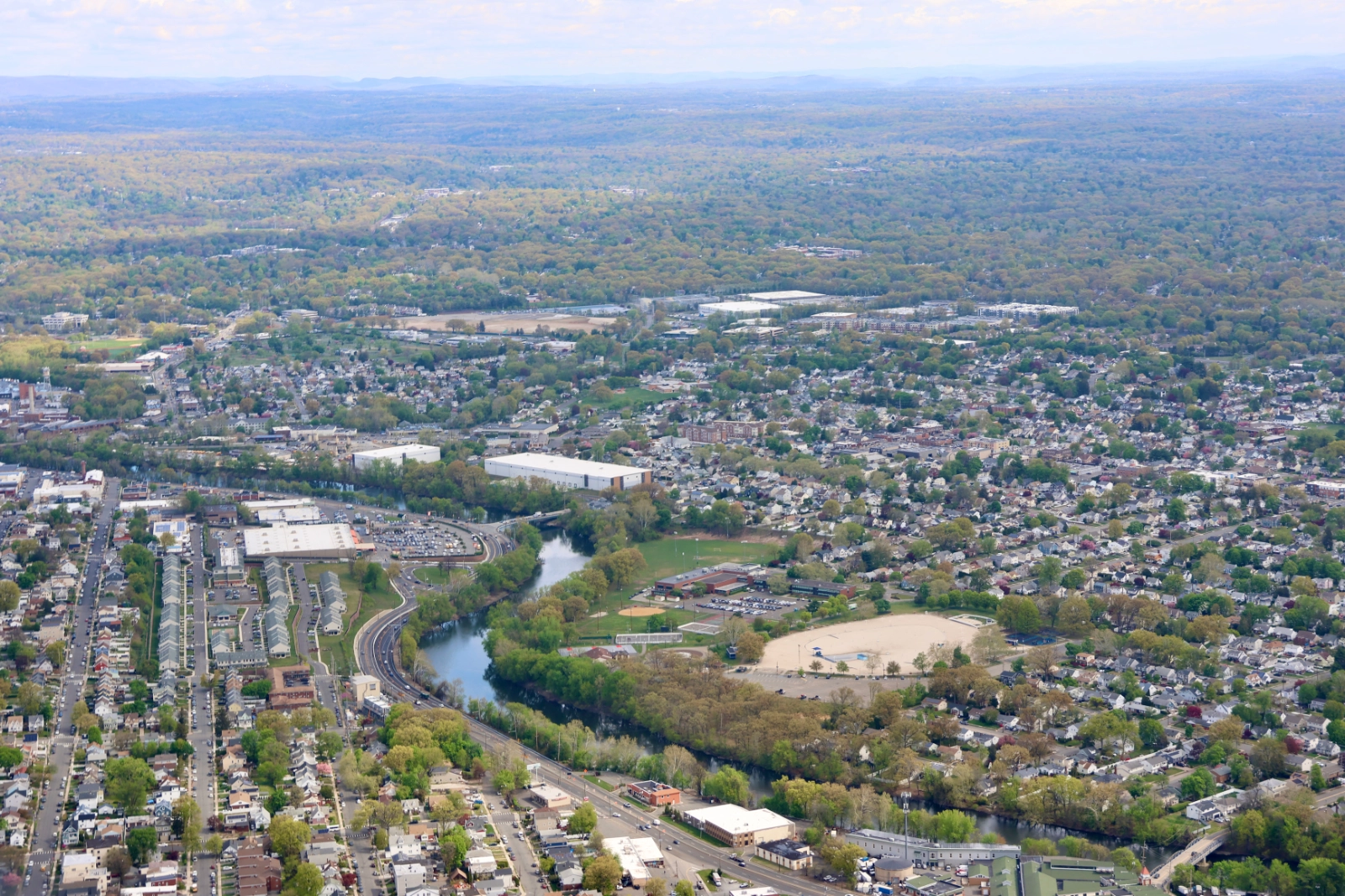
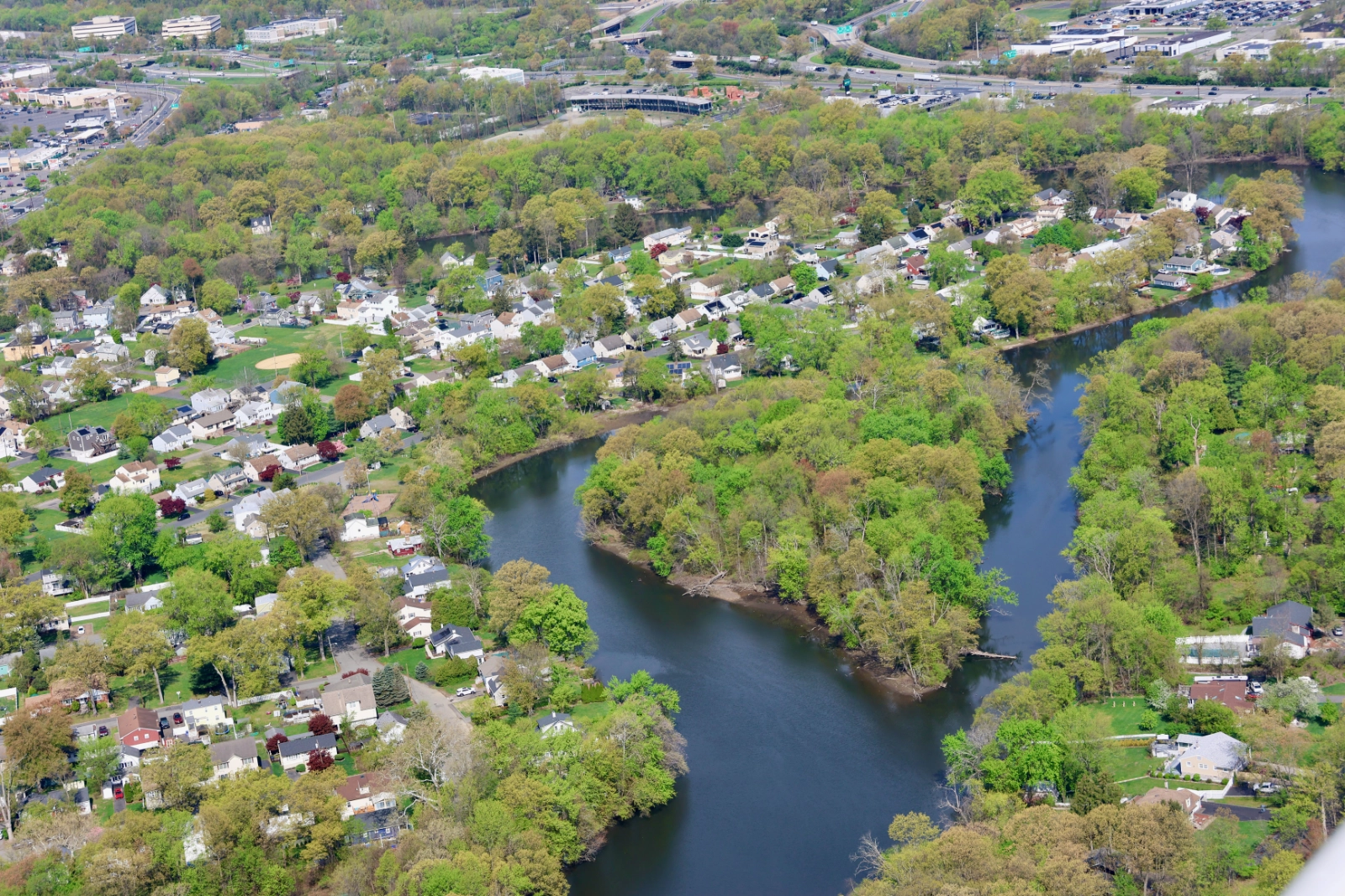
Flying at altitudes between 1,000 feet and 2,400 feet, Mike navigated along the river while allowing TNC staff to collect imagery and make observations about the surrounding landscape. His altitude constantly shifted to accommodate heavy arrival and departure traffic from nearby airports.
“It was a very busy, very tense flight,” Mike said. “Caldwell has constant student traffic, IFR arrivals and departures, and Teterboro is probably the busiest airport of its type in the world with jets constantly moving in and out. It was stressful, but the controllers were very accommodating.”
Mike says one of the most rewarding parts of LightHawk flights is watching passengers experience the landscape differently from the air.
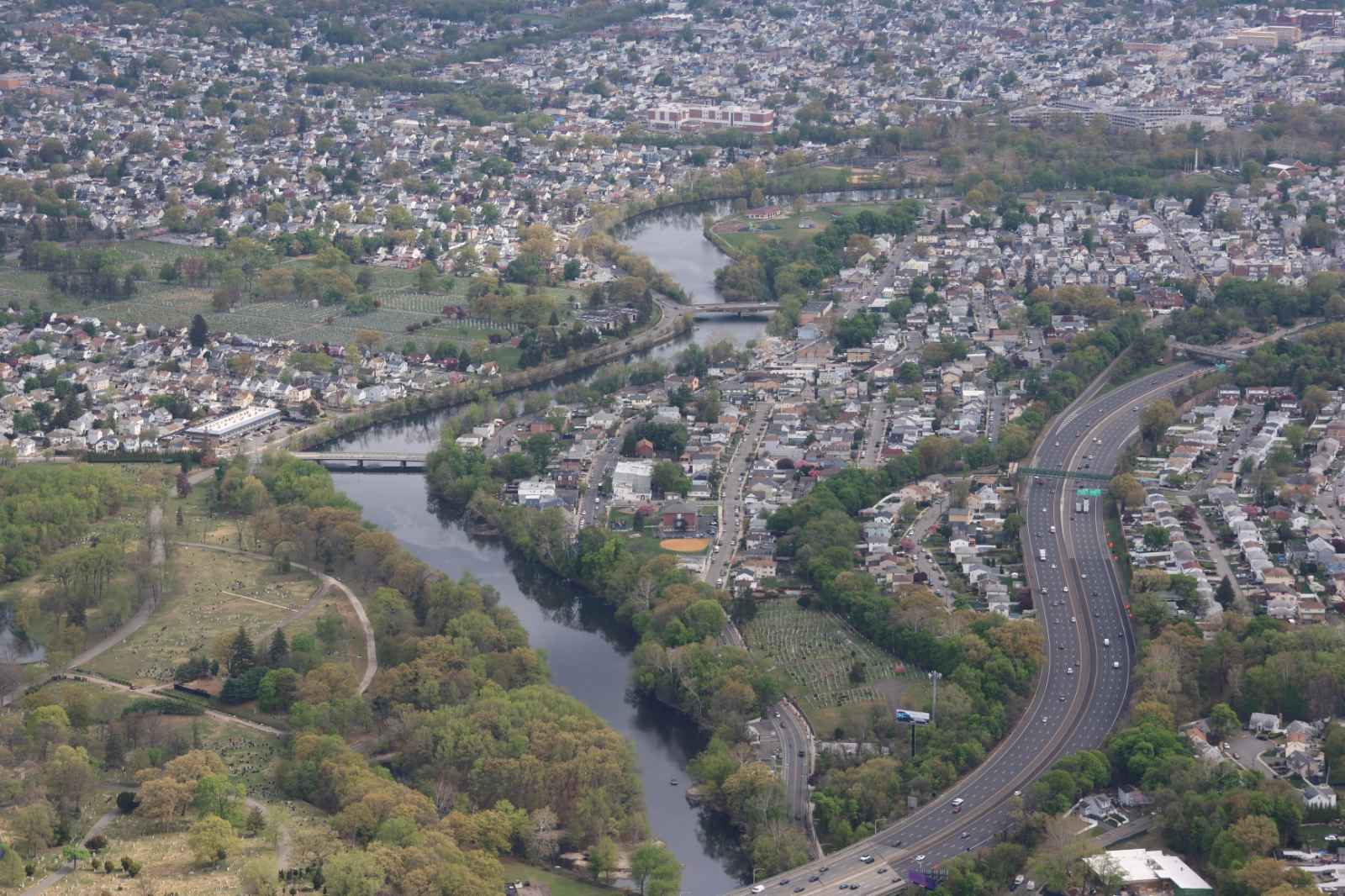
“Sometimes when people go on these LightHawk flights, they don’t realize how close everything is and how fast everything is happening,” he shared. “We took off out of Caldwell and the Passaic River was right there. We were there in seconds.”
The passengers were stunned. Accustomed to traveling through New Jersey traffic on the ground, they could hardly believe they had already reached the river.
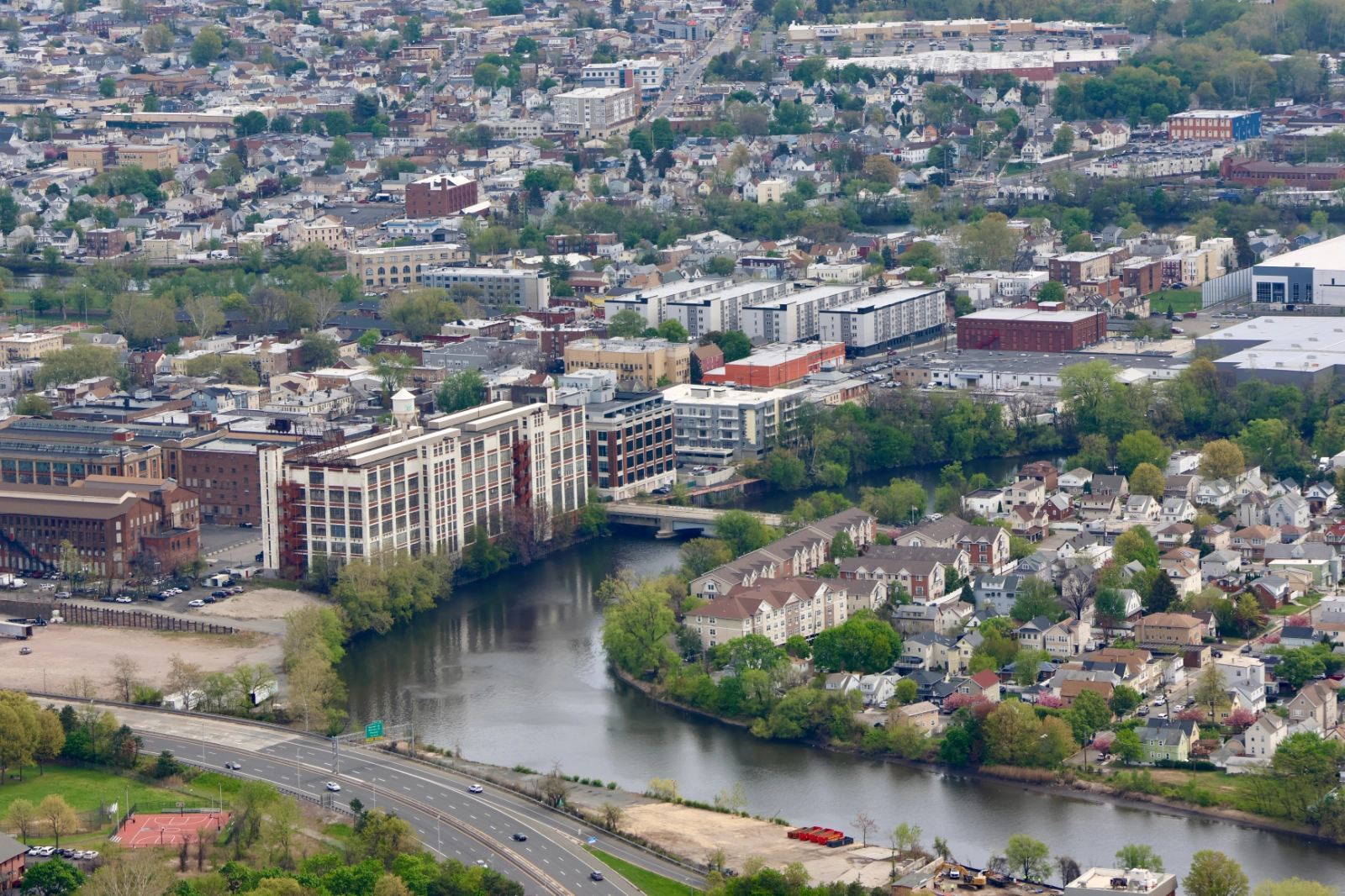
That aerial perspective also changed how the partners viewed the landscape below. From the air, development pressed tightly against the Passaic River in ways that are difficult to fully grasp from the ground.
“They seemed surprised at how much development is around the Passaic River,” Mike said. “From the air it’s just a river between buildings in some areas. It’s pretty dense.”
Once over the river, Mike worked closely with the TNC staff to help them capture the imagery they needed. Flying his low-wing Bonanza, he positioned the aircraft so the passengers had clear views of the landscape below.
“I put them on the right-hand side of the airplane and made turns so the wing would drop out of the way for pictures,” Mike explained.
Good weather and smooth morning conditions helped maximize time in the air. Working with air traffic control, Mike was even able to complete an impromptu 360° turn over one area of particular interest, allowing TNC staff to capture additional imagery of the river corridor below. He also suggested extending the route to photograph the opposite side of the river before returning to Caldwell.
Johnny Quispe with The Nature Conservancy – New Jersey flew aboard the mission and said the aerial imagery collected during the flight will help support future restoration and open space efforts along the river corridor.
“Given that many stretches of the river are not viewable from the ground, the perspective of being on the plane and being able to take images that will advance our conservation work is critical,” Quispe shared.
Mike has volunteered with LightHawk for more than 20 years and logged over 5,000 hours in his Bonanza. Now mostly retired from a career as an electrical engineer, he continues donating his time and expertise to conservation flights throughout the region.
Asked what he values most about flying with LightHawk, Mike reflected for a moment before answering: “My favorite thing about flying for LightHawk is learning more about the environment and the organizations working to support it,” he said. “The fact that baykeepers and riverkeepers exist, and that there are people whose job it is to monitor and protect these resources.”
We’re grateful for Mike’s decades of dedication and for his willingness to fly missions in some of the most challenging airspace where LightHawk operates.
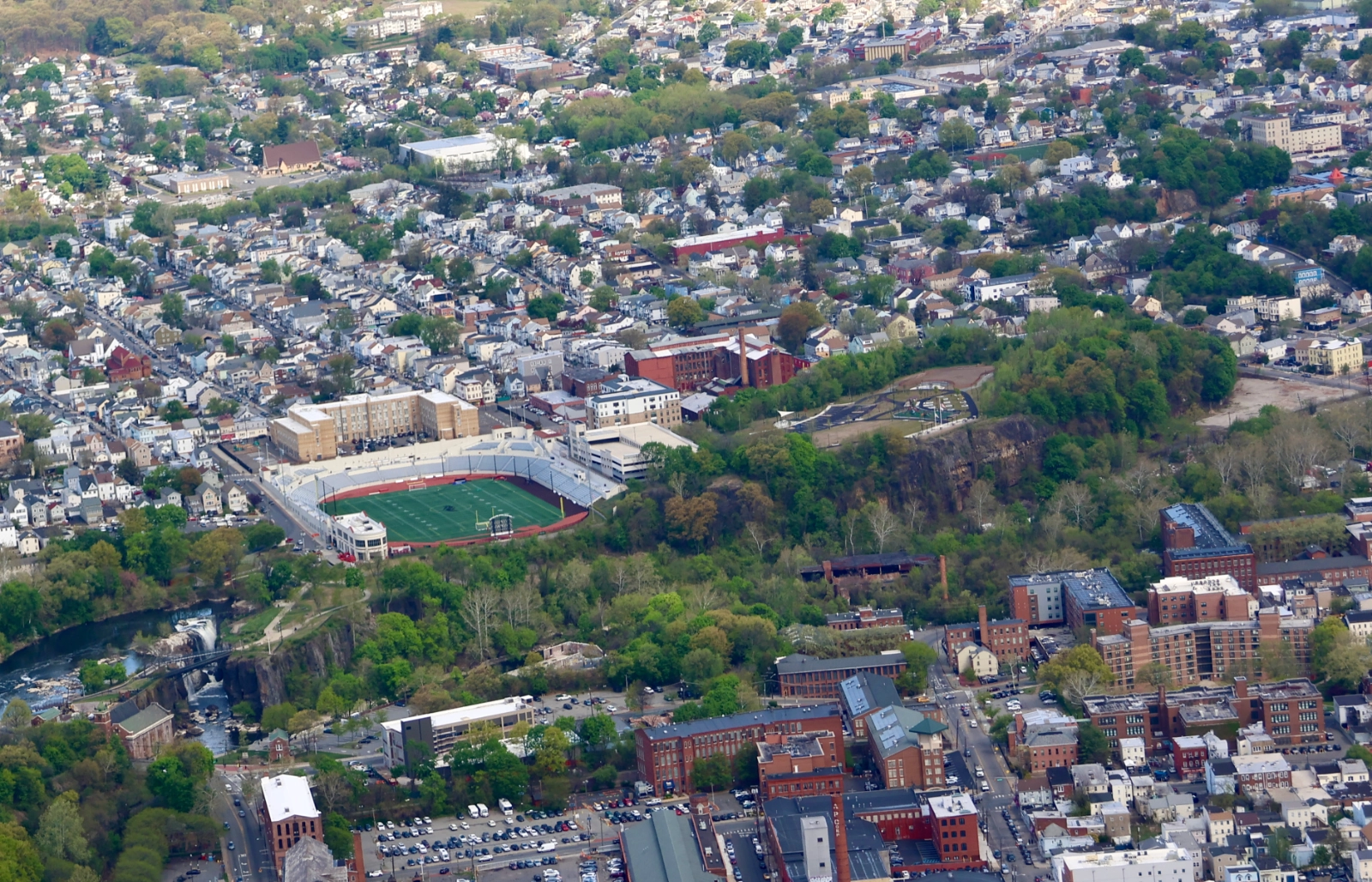
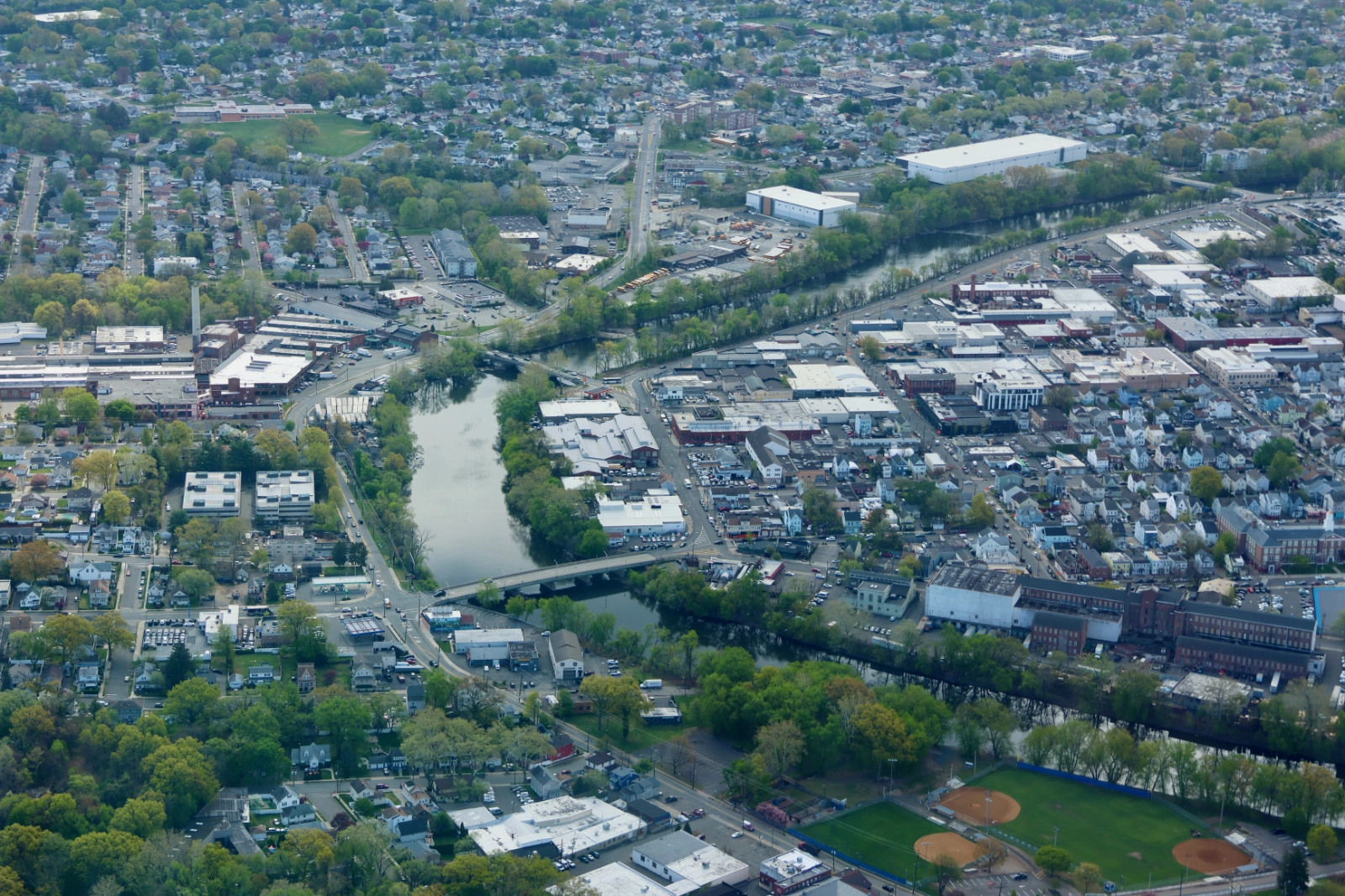
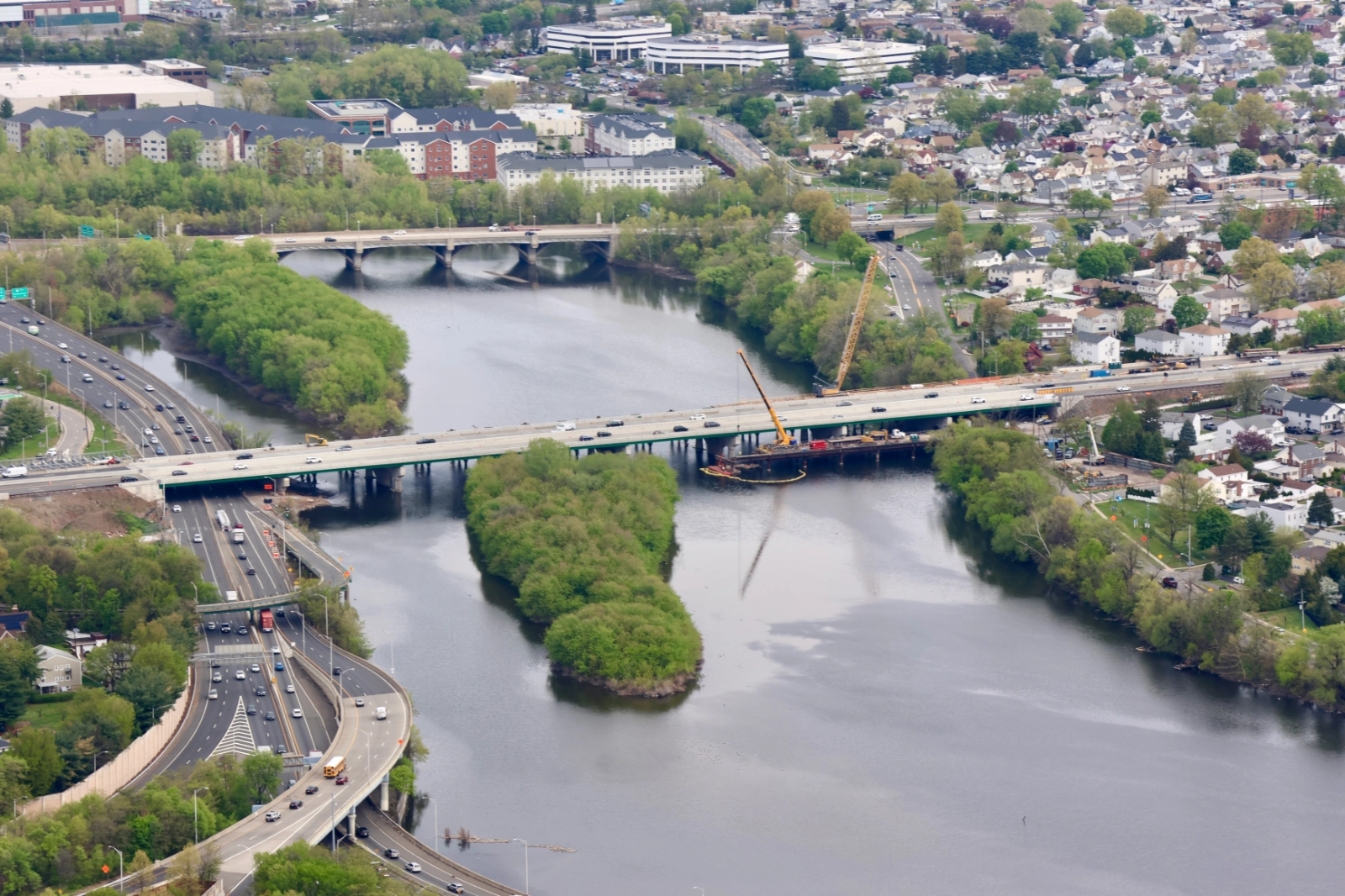
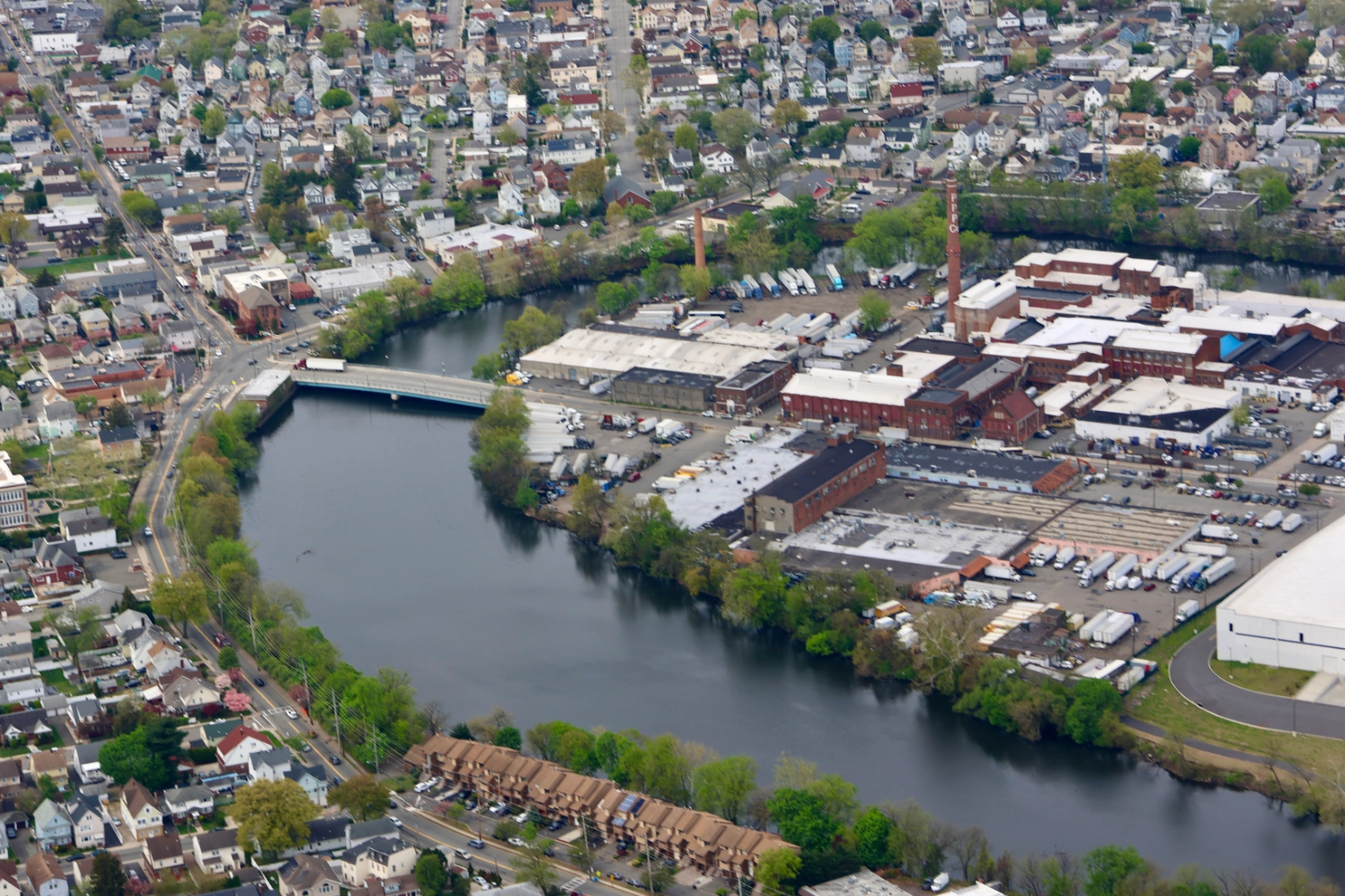
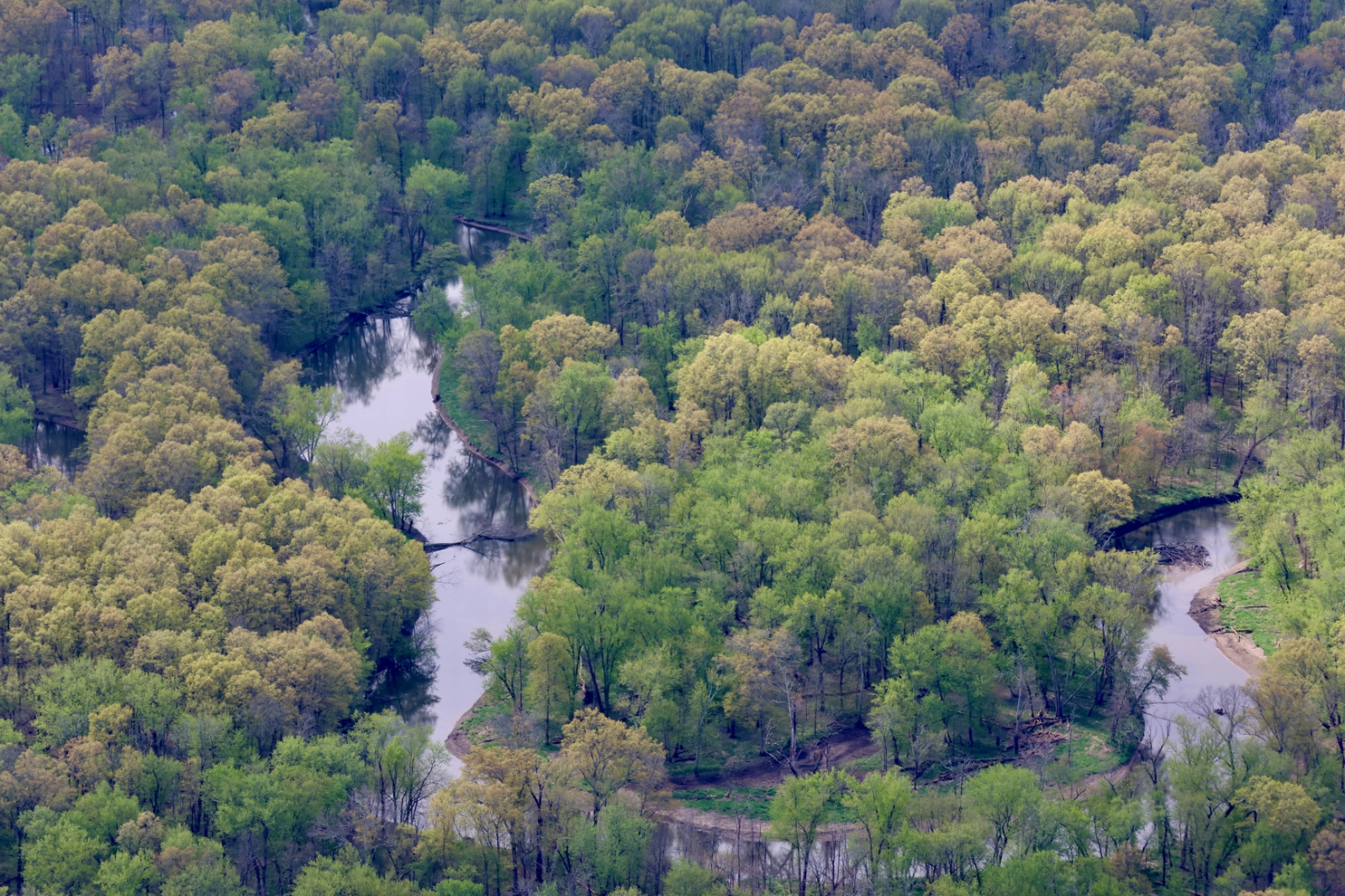
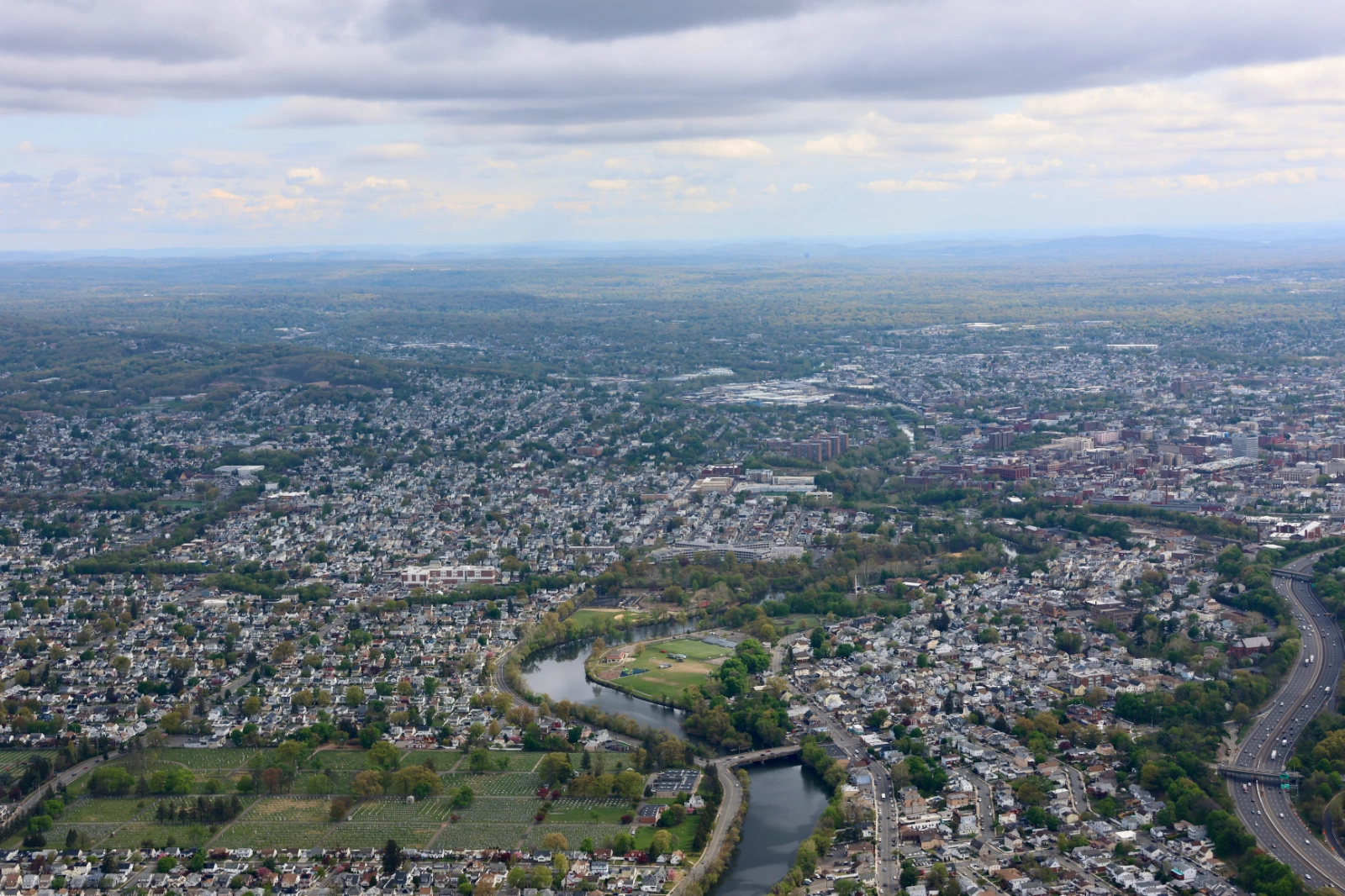
Photos by Johnny Quispe.