
A Historic First for Conservation.
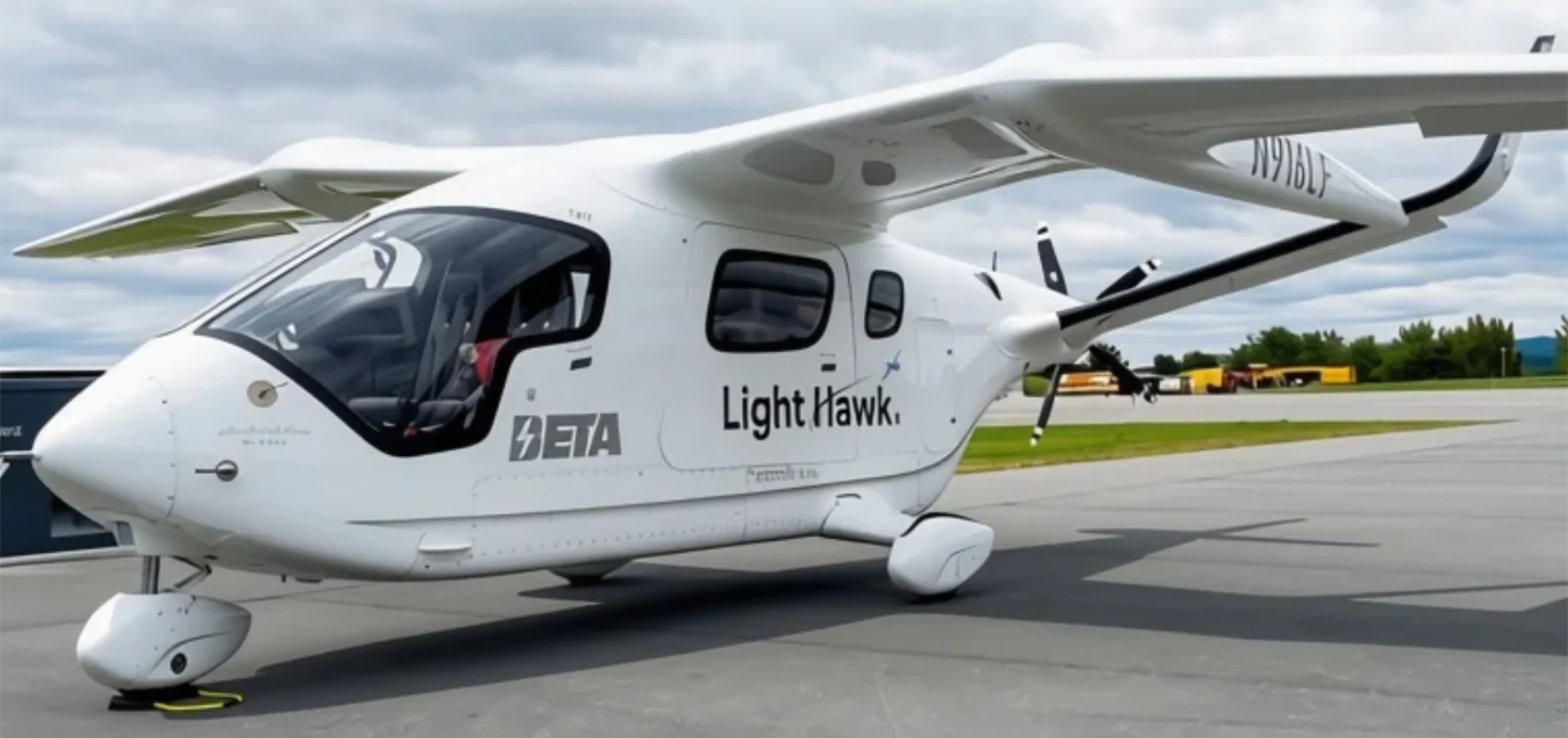
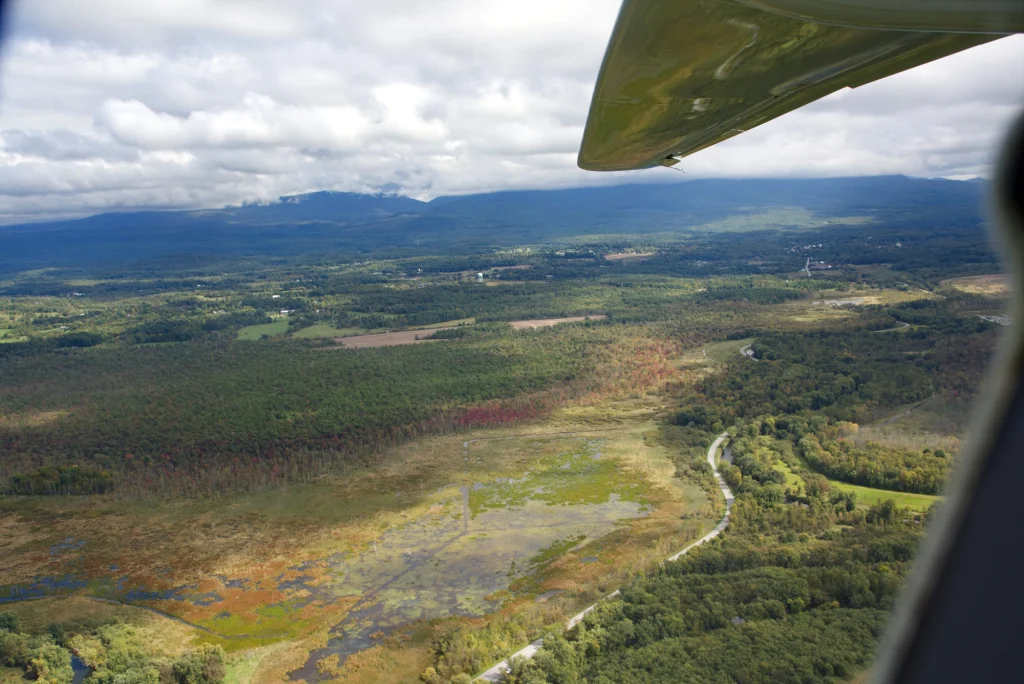
Photo: Jonathan Milne/LightHawk
In September, a BETA aircraft bearing LightHawk’s name lifted off from Burlington with a conservation mission to complete. Over Lake Champlain’s bays and the Otter Creek Wetland Complex, the team gathered imagery to inform water quality monitoring and wetland conservation in Vermont. The flight marked a historic first and opened new possibilities for conservation flying. Read the full summary below.
A Different Perspective
A Deeper Purpose
By Elliott Wright
Chief Executive Officer
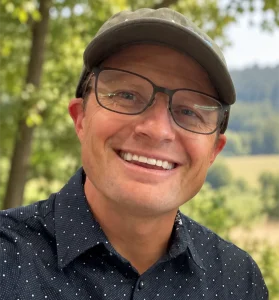
As I begin my time as LightHawk’s CEO, I have been learning about the people, partnerships, and purpose behind this remarkable organization. What stands out is the clarity aviation can bring to conservation.
From above, boundaries blur. Patterns emerge. What seemed separate becomes connected. I experienced it firsthand when LightHawk joined BETA Technologies for the first conservation flight in an electric aircraft. Over Vermont, we gathered imagery of Lake Champlain’s waters and wetlands for conservation partners. It was exciting to see electric aviation put to work on a real mission, and to consider what this new partnership could make possible. In this issue, we share more about the flight and the conservation work behind it.
You’ll also see our work along coastlines on both sides of the country. LightHawk and WILDCOAST are monitoring kelp forests along Southern California’s Pacific coast under pressure from warming waters. Our 20-year partnership with the Surfrider Foundation helps communities on the Atlantic and Pacific coasts understand changing coastlines. In Florida Bay, researchers are combining aerial imagery and field data to investigate persistent algal blooms.
Our incredible new website is live, with even more to explore. Follow our work on the Flight Map, meet the pilots and partners behind our missions, and discover conservation stories from across the country. I hope you’ll take a look.
None of this happens without our volunteer pilots, partners, and supporters. The time, knowledge, and generosity you bring to LightHawk make these missions possible. Thank you for being part of this mission.
With gratitude,
Elliott
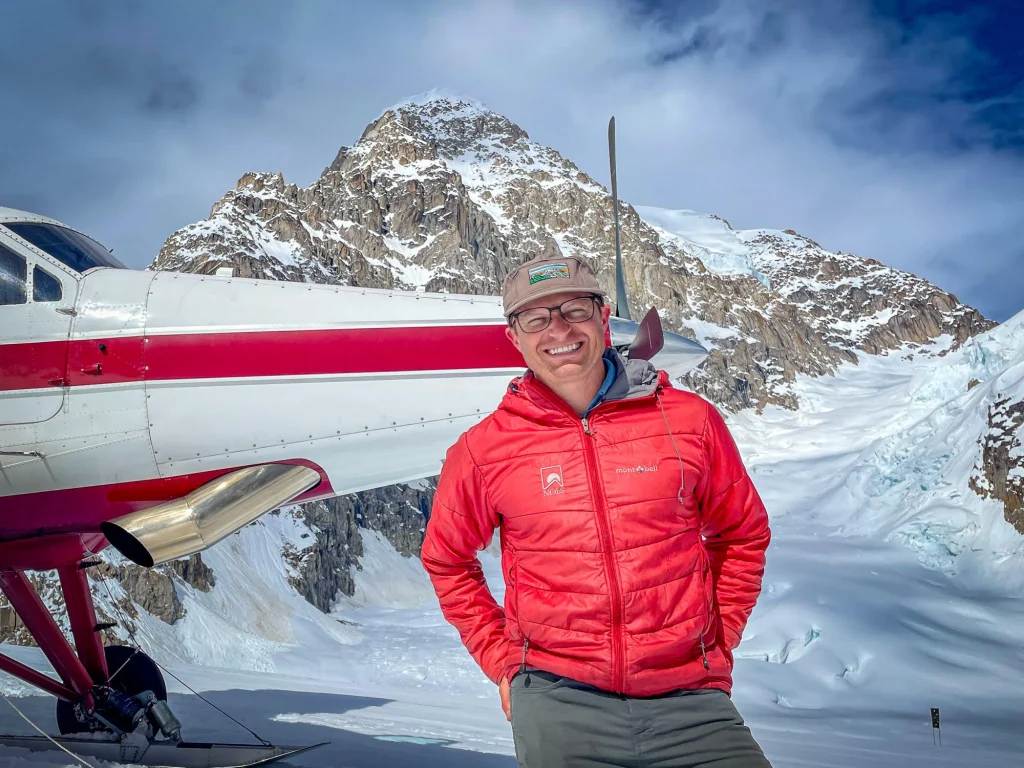
A Conversation with LightHawk’s New CEO
ELLIOTT WRIGHT
Chief Executive Officer
“It’s an all-hands-on-Earth moment for conservation, and we need a new perspective.”
What first made you think, “I want to be part of LightHawk”?
One of the first powerful memories I have of seeing conservation in action was taking a flight with LightHawk volunteer pilot Jim Morgan over the American River headwaters. I didn’t know what I didn’t know. Getting up in the air, we could really get a sense of the restoration area we were going to be working on. It was an incredible one-hour flight and a turning point for that campaign. I saw firsthand what a flight could make possible for conservation, and I wanted to be part of it.
What has surprised you most since you arrived?
The only surprise I’ve had is just how unknown LightHawk remains. I’ve had so many conversations with land trusts, partners, potential supporters and foundation program officers where the question is, “What’s LightHawk?” We do really good work, with a high-output team powerfully driven by amazing volunteers. We have work to do to spread the word. I’ve often thought that if I could talk to three people today about LightHawk and get them excited, we’d be well on our way. I’m trying to dedicate myself personally to that practice, and I invite everyone to try it.
What’s a place that helped shape your connection to the natural world?
I grew up in the desert Southwest, outside Eldorado, New Mexico. I had Velcro hiking boots from the age of two and was always out in the dirt catching snakes and lizards. But one memory that stays with me is an overnight backpacking trip with my dad to Mica Lake. I found mica, broke it apart and looked at its layers of crystals. I remember feeling amazed. I recently brought my own kids there, and the smell of the ponderosa pines came back to me first. Seeing that same sense of wonder take hold with them was really cool.
What are you most excited for LightHawk to do next?
It’s an all-hands-on-Earth moment for conservation, and we need a new perspective. I’m excited about tangible, lasting results we can look back on and know we were part of. In western Maine’s Magalloway region, we worked with partners to provide aerial imagery as four land trusts protected 78,000 acres.
I want to build on that kind of work, deepen our partnerships and reach more of the conservation community. I’m also excited to bring in a new generation of supporters and pilots and make sure LightHawk is strong for many years ahead.
What has it been like getting to know the people behind LightHawk?
Our staff, board, volunteer pilots and supporters are the ones who truly make it happen. I’m grateful for the skills, time and energy they bring to LightHawk, and for how often they say YES when we ask. I’ve enjoyed meeting folks, hearing their ideas and learning more about this organization. I’m excited to keep those conversations going and to see what we can do together.
Featured mission
Monitoring Kelp Forests in a Warming Pacific
Kelp forests are one of the most productive ecosystems along California’s coast, providing food and habitat for marine life, including endangered species like white abalone. But they can also change quickly.
El Niño can bring warmer waters and changing ocean conditions across the Pacific, putting added stress on kelp forests. Along the Southern California coast, where kelp already grows near the warmer edge of its range, those changes can be especially significant. For conservationists, that makes one question especially important: What does the kelp canopy look like before conditions change?
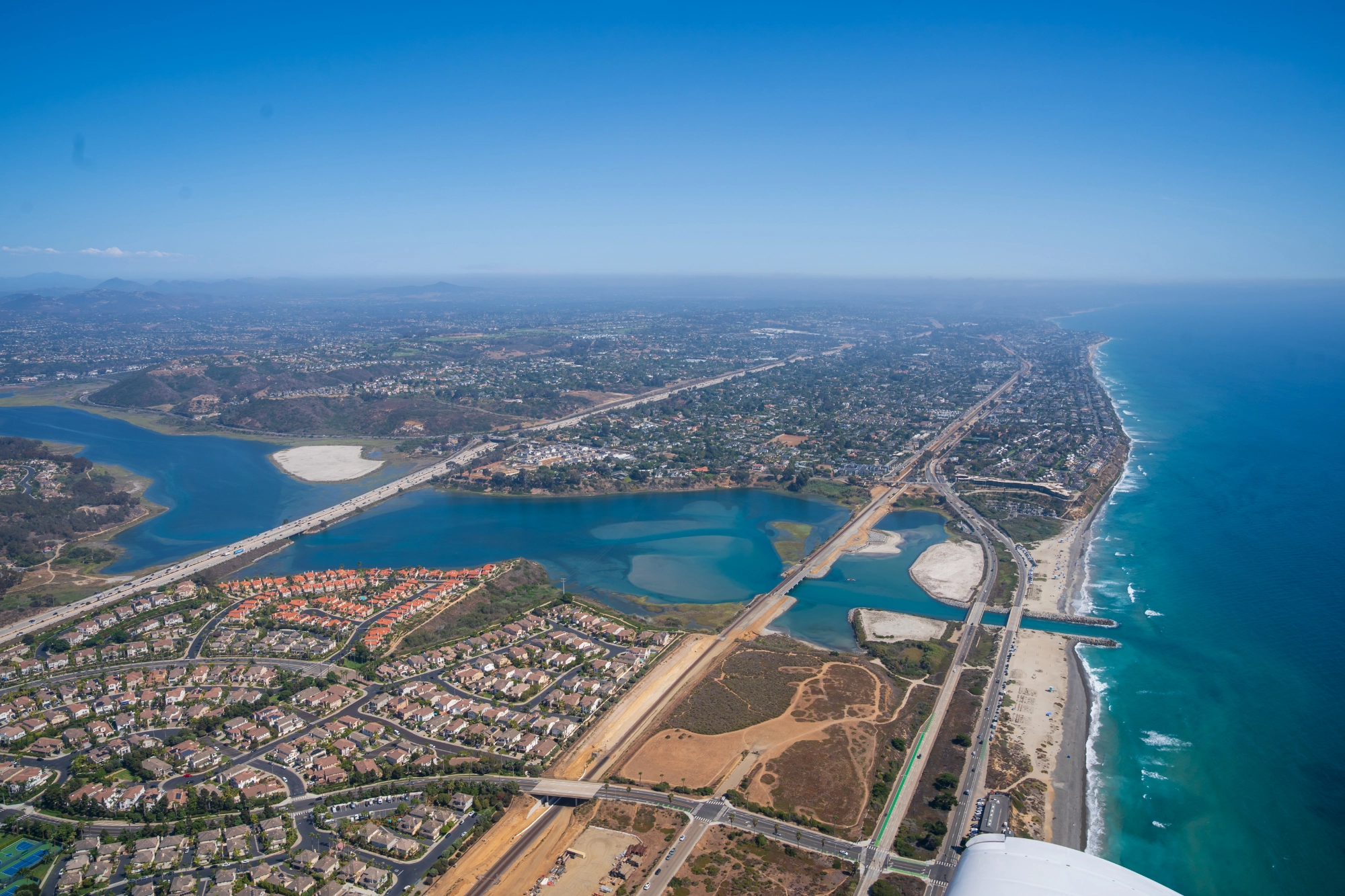
That is the goal behind an aerial kelp forest monitoring initiative launched by LightHawk and new partner WILDCOAST along the San Diego coast. WILDCOAST works to conserve coastal and marine ecosystems and address climate change through natural solutions, and this collaboration will help document kelp conditions as warmer waters put added pressure on these important habitats.
California’s kelp forests include many species, but giant kelp and bull kelp are the dominant canopy-forming species, reaching the ocean surface and creating a visible canopy from above. Because conditions can shift rapidly, regular monitoring gives conservation teams a better chance to detect declines early and determine where restoration resources may be needed.
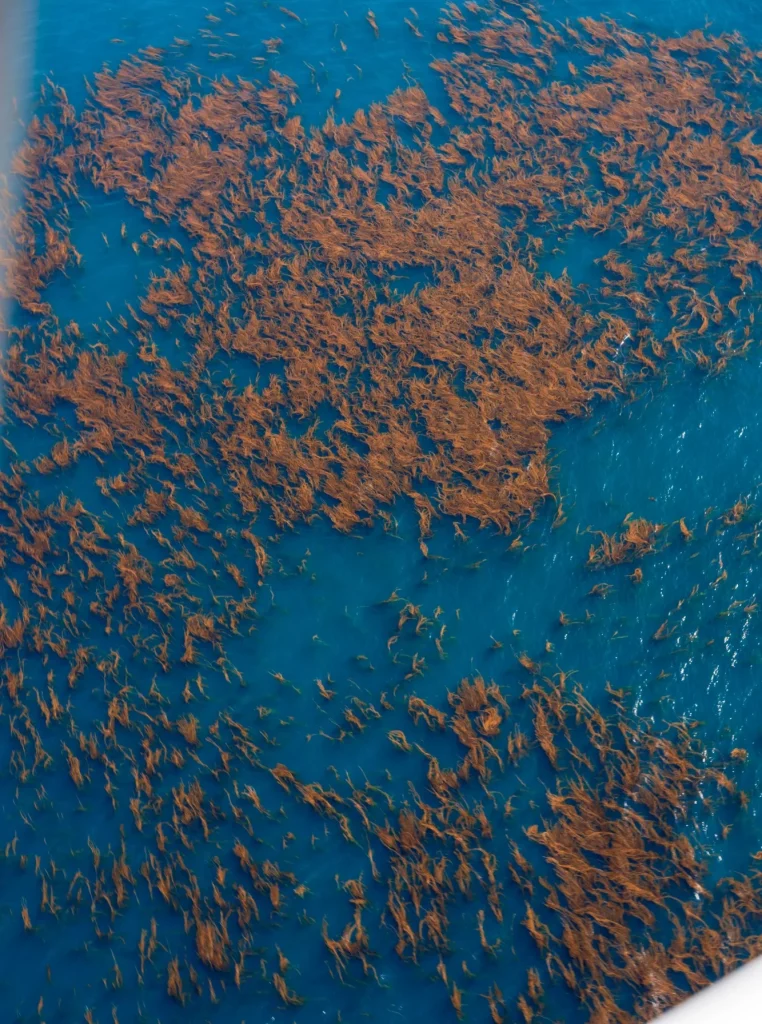
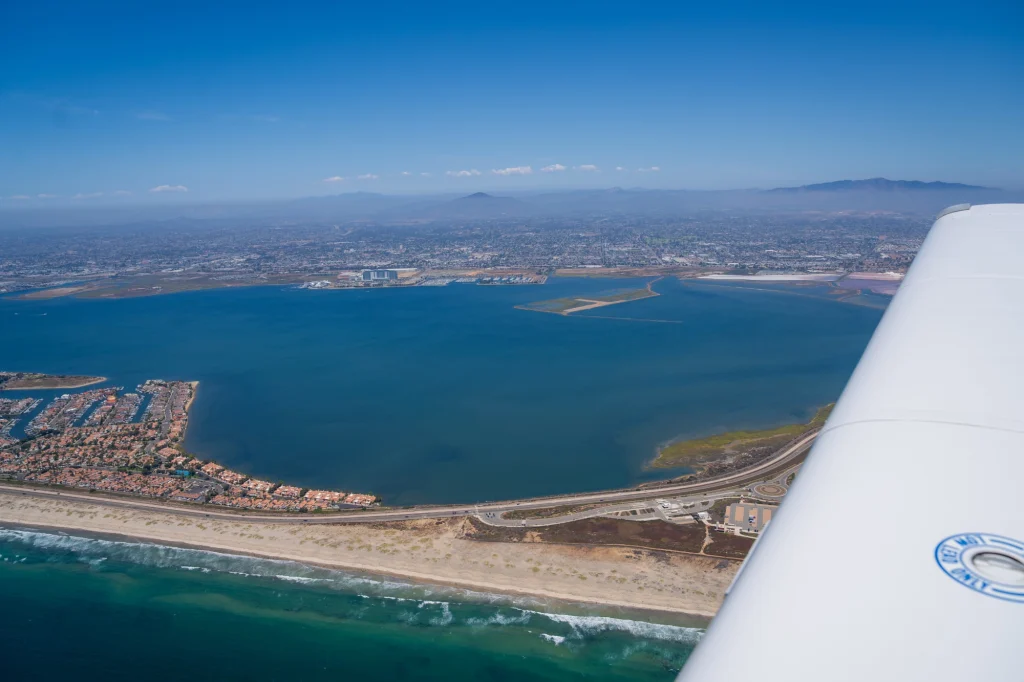
That is where aviation offers a distinct advantage. LightHawk’s small aircraft can cover long stretches of coastline while capturing detailed imagery, bridging the gap between satellites, which can be limited by coastal cloud cover, and drones, which lack the battery life to survey long stretches of rugged coastline.
LightHawk and WILDCOAST will continue the work with at least two additional aerial surveys through early spring 2027 to compare canopy conditions over time and watch for signs of decline. The flights will also help monitor illegal fishing activities within Marine Protected Areas, where strong protections can play an important role in helping kelp ecosystems recover from marine heat waves.
Repeated aerial surveys can help guide conservation work along the coast and inform efforts to protect the marine life these habitats support, including endangered white abalone. For LightHawk, this work is part of a broader commitment to working alongside partners to protect critical habitat and the species that depend on it.
Lighthawk and Beta Technologies
A Historic First.
Electric Flight
for Conservation
Putting electric aviation to work documenting water quality and wetlands in Vermont.
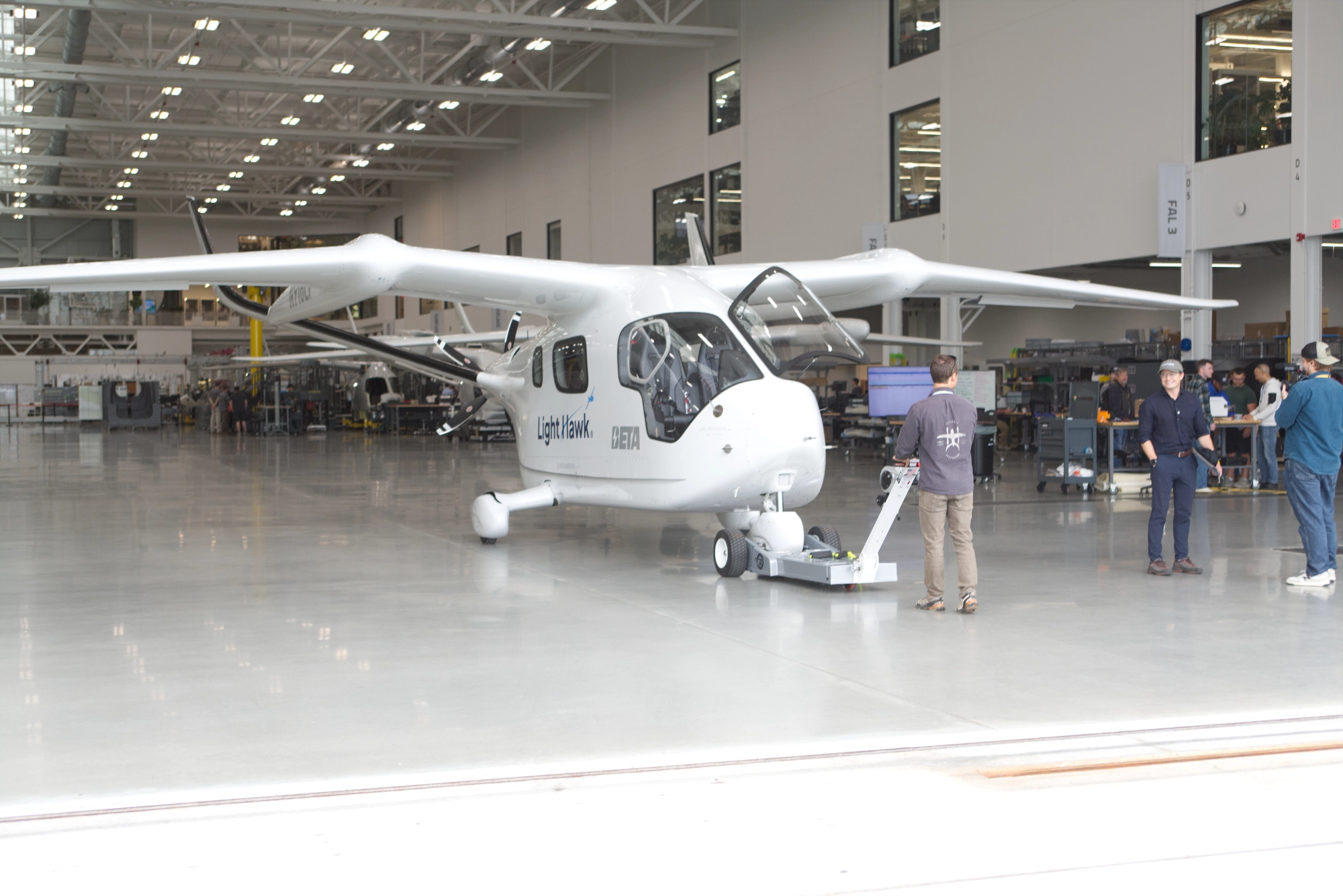
On September 22, an aircraft unlike any previously used on a LightHawk conservation mission lifted off from Burlington, Vermont. Its destination was familiar: landscapes where an aerial perspective can reveal environmental conditions difficult to see from the ground. But this time, the aircraft was powered entirely by electricity.
LightHawk and Vermont-based BETA Technologies came together for a historic first: putting an electric aircraft to work on conservation missions. And the day’s plans went well beyond demonstrating new technology. There were two destinations, two distinct conservation objectives and important imagery to gather along the way.
The missions were flown in BETA Technologies’ ALIA CX300, an all-electric utility airplane designed for conventional takeoff and landing (CTOL). Joshua Myslik, one of LightHawk’s newest volunteer pilots and a BETA pilot, had been scheduled to fly the missions but welcomed his first child just before takeoff. BETA pilot Noah Ranallo stepped in behind the controls. Congratulations to Joshua and his growing family!
From Lake Champlain to the Otter Creek Wetlands
The first flight headed north over Lake Champlain, where water quality and harmful algal blooms remain significant conservation concerns. LightHawk Eastern Program Manager Jonathan Milne photographed bays, river inlets and areas associated with algal blooms, capturing a perspective that helps reveal how conditions vary across the lake and its surrounding landscape.
LightHawk gathered imagery that will help partners at the Conservation Law Foundation and Lake Champlain Waterkeeper communicate water-quality concerns and build public understanding of the challenges facing this important freshwater ecosystem.
Back in Burlington, the ALIA returned to its charger. After less than an hour of charging, it was ready to take to the skies again.
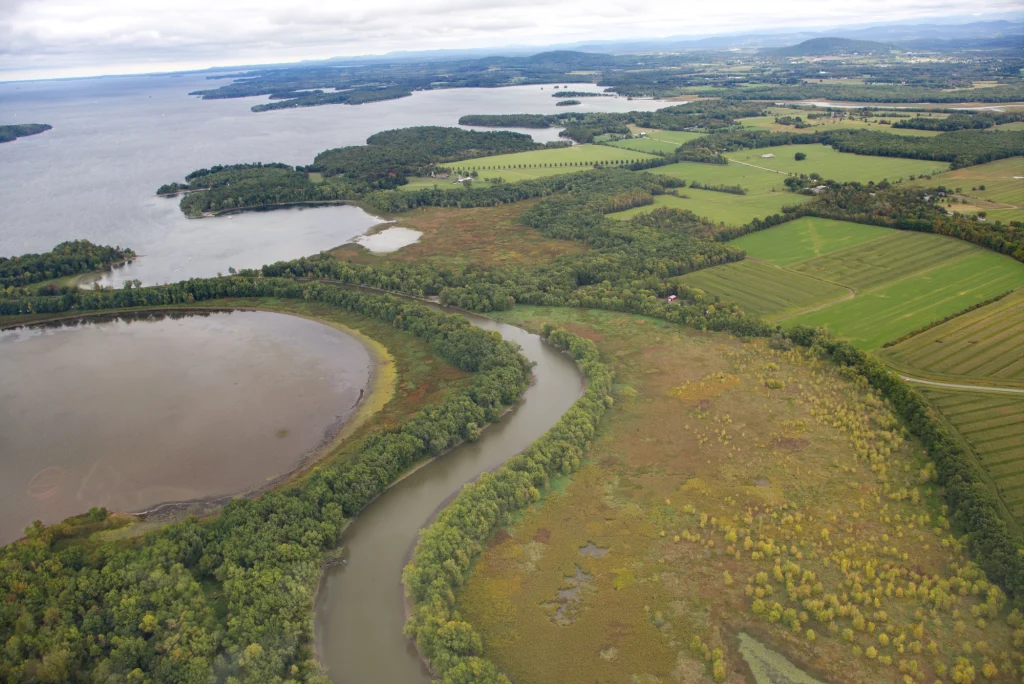
The second flight traveled south toward the Otter Creek Wetland Complex near Brandon. Here, the focus shifted from lake water quality to wetlands, flooding and land conservation.
Jonathan documented wetland landscapes and areas affected by recent flooding, gathering imagery for conservation work with The Nature Conservancy in Vermont. The photographs will contribute to efforts to catalog these landscapes, examine recovery from flooding and inform land-preservation decisions.
A New Possibility for Conservation Aviation
The Vermont missions offered a practical look at how electric aviation could become another tool in LightHawk’s conservation work.
BETA’s ALIA CX300 uses electric propulsion rather than a conventional combustion engine, eliminating direct combustion emissions during flight. With a recharge between missions, the team completed both missions in a single day.
“What matters most is that we were doing real conservation work for our partners,” said LightHawk CEO Elliott Wright, who participated in the flights. “We were documenting water quality conditions on Lake Champlain and wetlands in the Otter Creek Valley, creating imagery that will support conservation action, public understanding and land protection.”
The experience left an impression on everyone involved. For Elliott, it was particularly memorable. “It’s been the most unbelievable day of my life,” he said afterward.
While electric aircraft won’t be suited to every conservation mission, the flights demonstrated that this emerging technology can already be put to work gathering valuable imagery and documenting environmental conditions.
The day marked an exciting first for LightHawk and BETA Technologies, opening new possibilities for conservation flying in the years ahead. LightHawk is grateful to the BETA team for making this milestone possible and looks forward to exploring where electric aviation can contribute to conservation.
Partner Spotlight
Surfrider Foundation
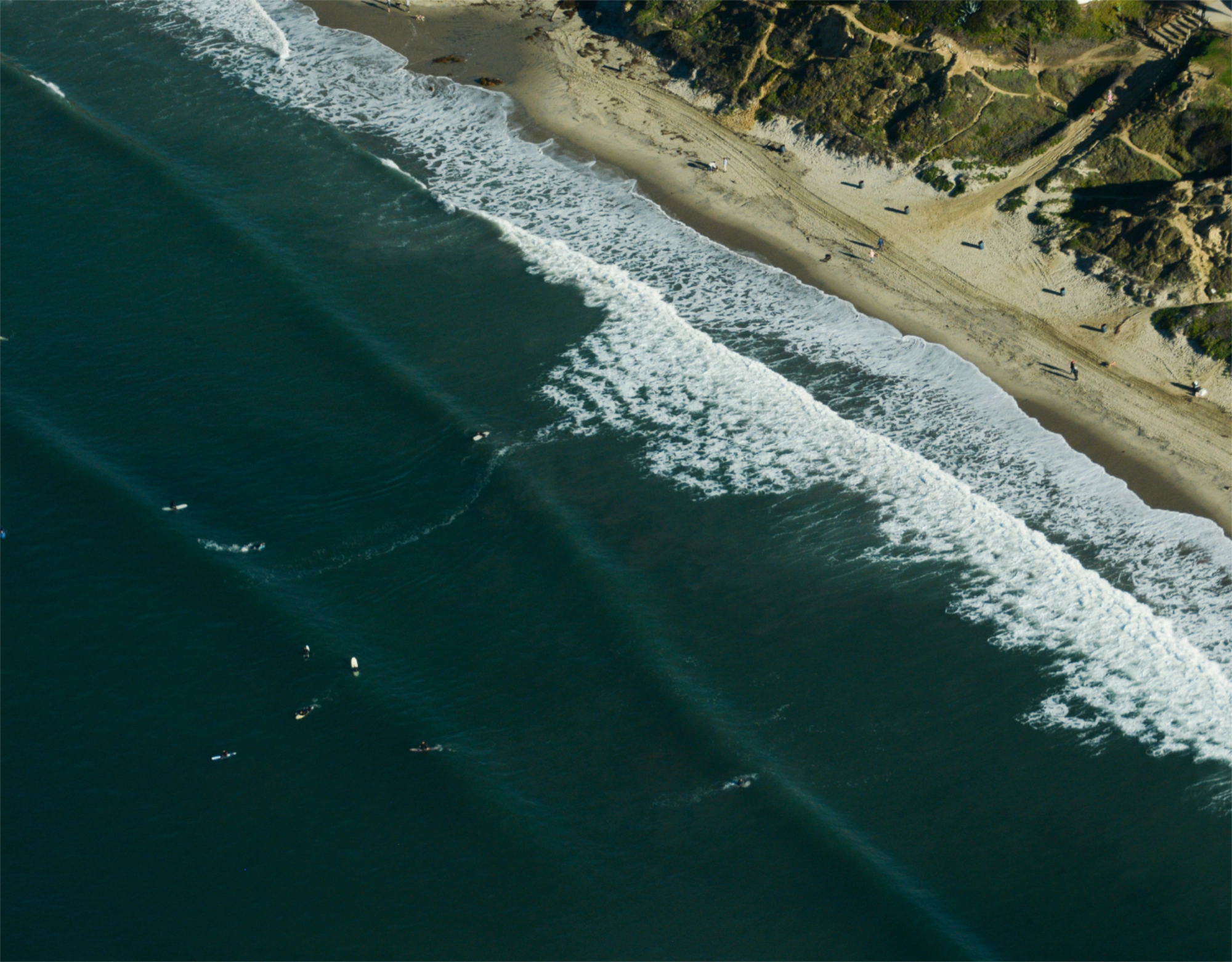
Twenty years ago, LightHawk and the Surfrider Foundation took an exploratory flight to see how aviation could strengthen Surfrider’s work protecting ocean, waves and beaches. Two decades later, that first flight grew into a long-standing partnership using aerial perspective to document coastlines on both sides of the country.
In recent years, much of that work has focused on King Tides, unusually high tides that offer a glimpse of how rising seas may affect coastal communities and infrastructure. LightHawk pilots fly Surfrider team members above vulnerable stretches of coastline to document flooding, erosion and other impacts across a much broader area than is possible from the ground.
Imagery and observations gathered during these flights help conservationists, community planners and researchers identify vulnerable areas and assess where future impacts may occur. From the air, Surfrider covers more ground quickly to see how tidal impacts connect across the landscape
Over the course of the partnership, LightHawk pilots have contributed nearly 135 flight hours and carried more than 70 passengers. When Surfrider staff cannot join a flight, LightHawk pilots have also used mounted cameras to capture imagery for later analysis on the ground.
After 20 years, the value of the partnership is clear: Surfrider brings deep coastal expertise and advocacy, while LightHawk brings the aerial expertise and access needed to reveal coastal change at a scale difficult to see from the ground. Together, that work helps communities better understand and prepare for a changing coastline.
Climate Corner
Uncovering Clues to Florida Bay’s Algal Blooms
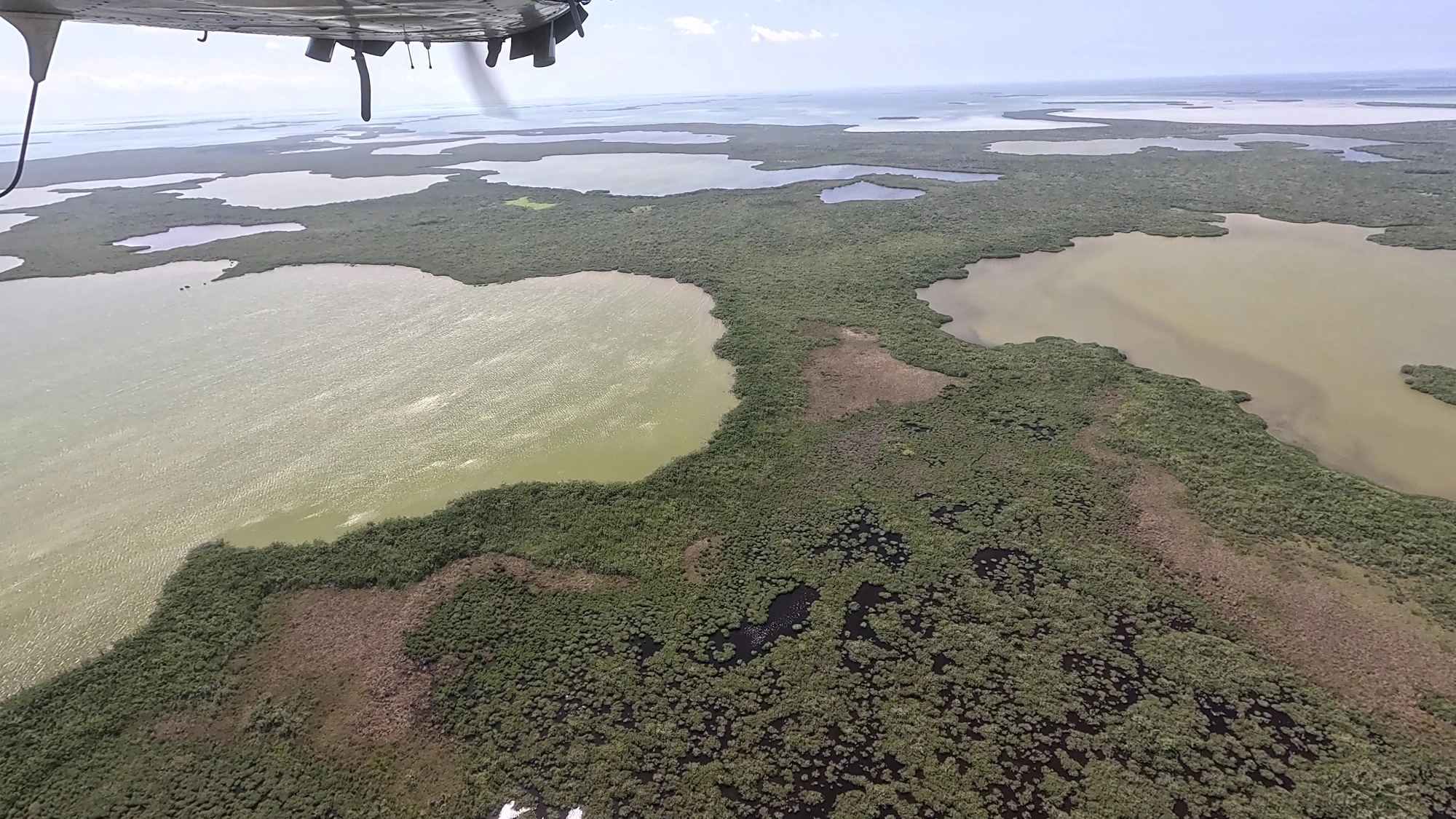
its causes. Photos by Jay Apt.
Florida Bay’s historically clear waters are increasingly marked by sediment plumes and algal blooms. Seagrass loss and strong storms have helped drive that change over the past century. Researchers at Florida International University (FIU) are investigating the nutrients behind persistent blooms, which can intensify after major storms. As stronger storms become a growing concern, finding those nutrient sources is increasingly important.
Earlier this year, LightHawk and FIU took that research to the air. Volunteer Pilot Jay Apt flew researchers over Florida Bay and surrounding landscapes to survey an area far broader than individual sampling sites.
FIU is pairing the aerial imagery with field samples in an ongoing study funded by Everglades National Park and the South Florida Water Management District. Together, these observations may help pinpoint the nutrients feeding the blooms and guide efforts to protect Florida Bay.
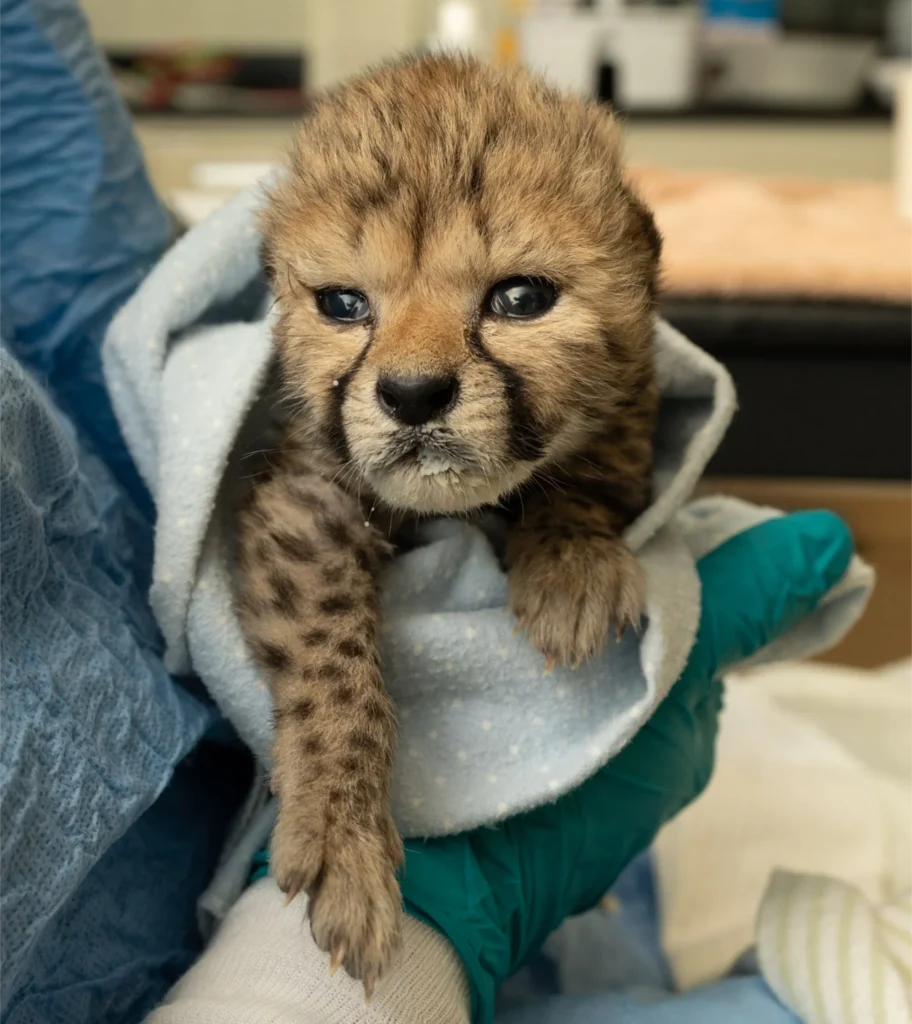
Giving From Your Donor Advised Fund Just Got Easier
Have a donor-advised fund? You can now recommend a grant to LightHawk directly through our online donation form using DAFpay.
Choose a one-time gift amount, enter your information and select DAFpay at checkout. Then connect to your participating DAF provider and follow the prompts to recommend your grant.
Put charitable dollars you’ve already set aside to work protecting land, water and wildlife. Thank you for considering LightHawk as you plan your year-end giving!

Questions? Contact Joanna Weitzel