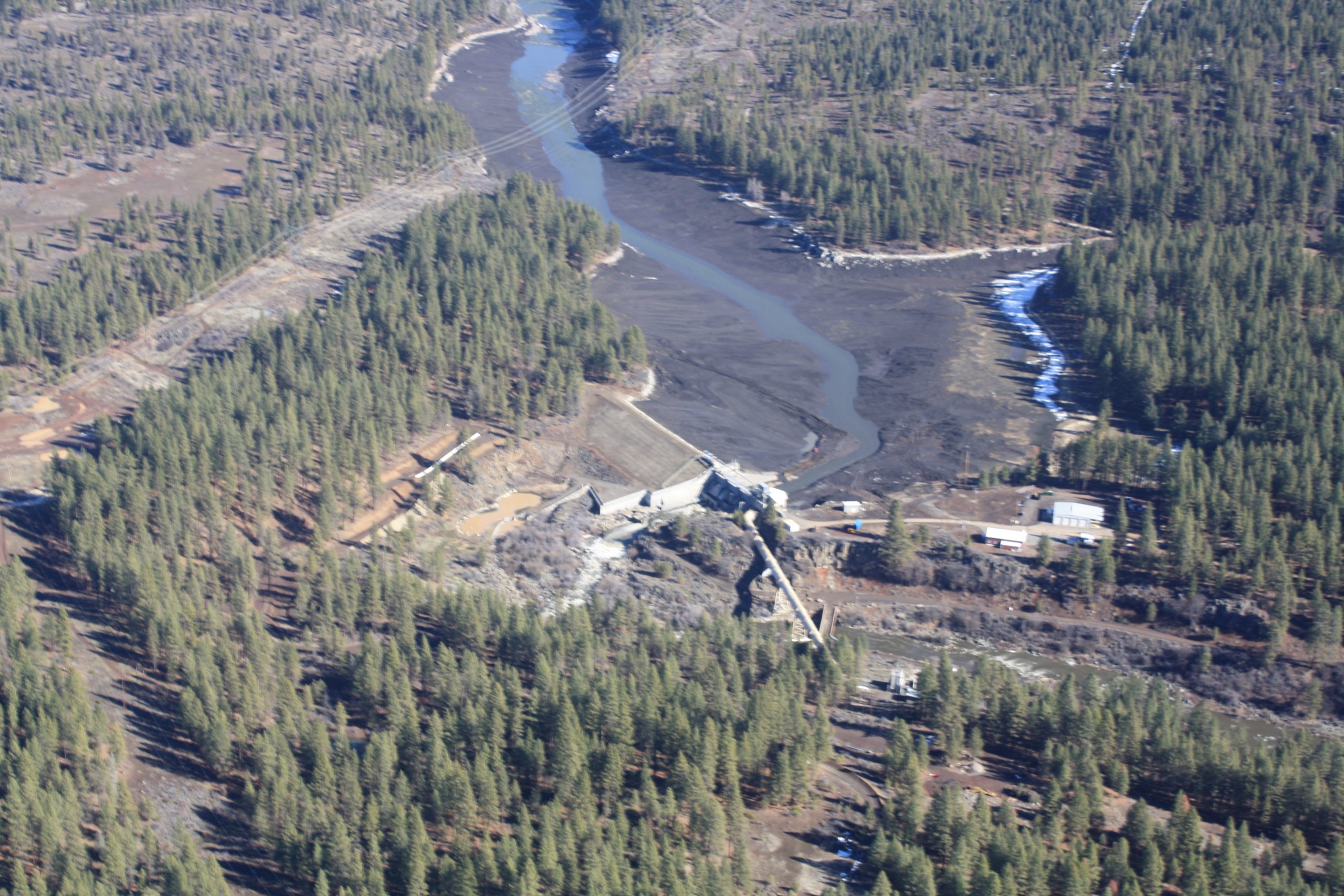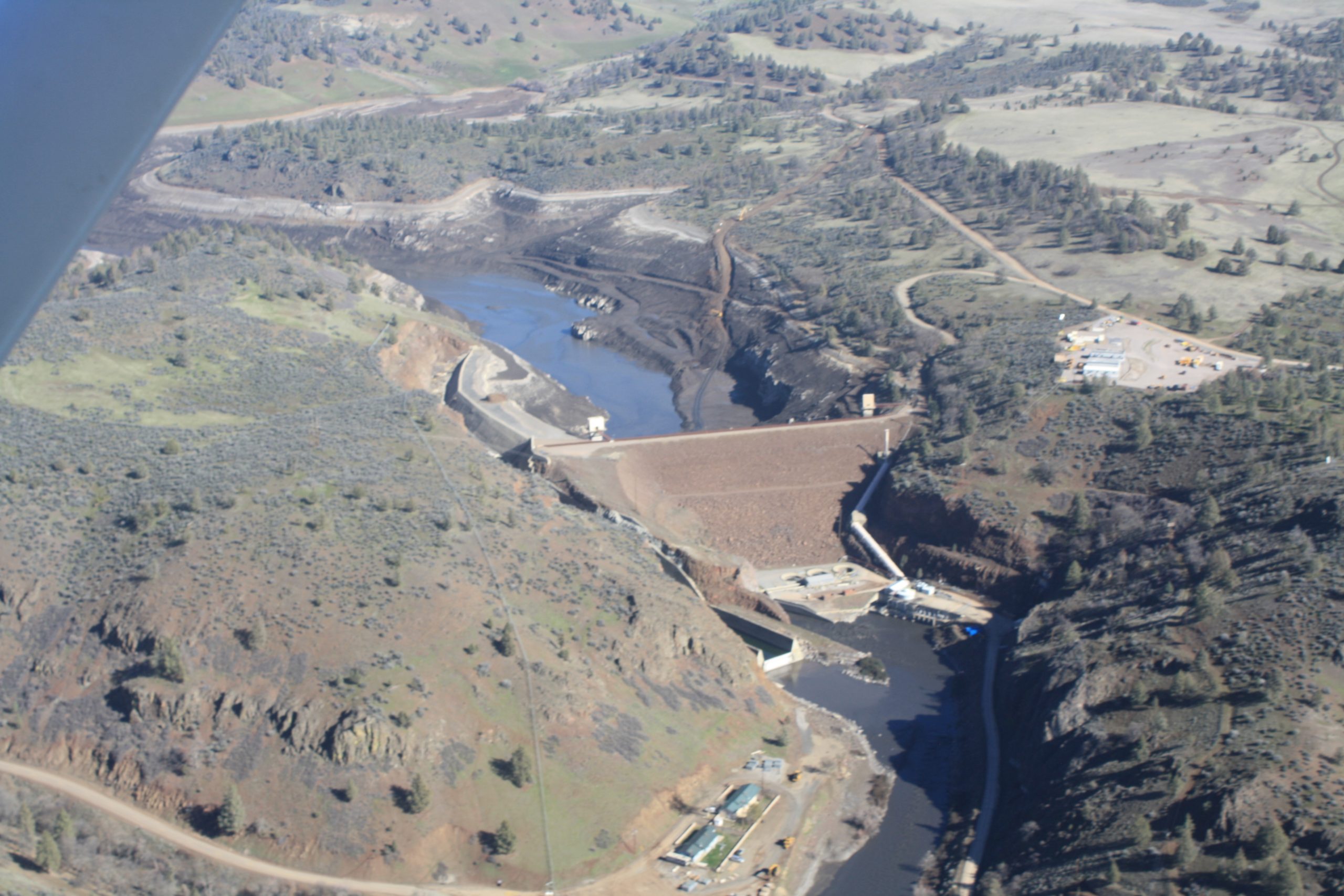
LightHawk is helping document a historic moment for free-flowing rivers and salmon recovery in the Pacific Northwest. For more than a century, four dams along the Klamath River in southern Oregon and northern California degraded water quality and blocked salmon, steelhead, and Pacific lamprey from reaching more than 400 miles of spawning and rearing habitat.
Now, in the largest dam removal project in American history, the structures will be, one by one, destroyed, allowing the river to return to a more natural flow. It is a major win for local tribes and environmental groups who are hopeful salmon will return.
Last May, LightHawk and Trout Unlimited began a multi-year project to document the dam removals and the transformation of the Klamath River’s riparian landscape as the river returns to a more natural flow.
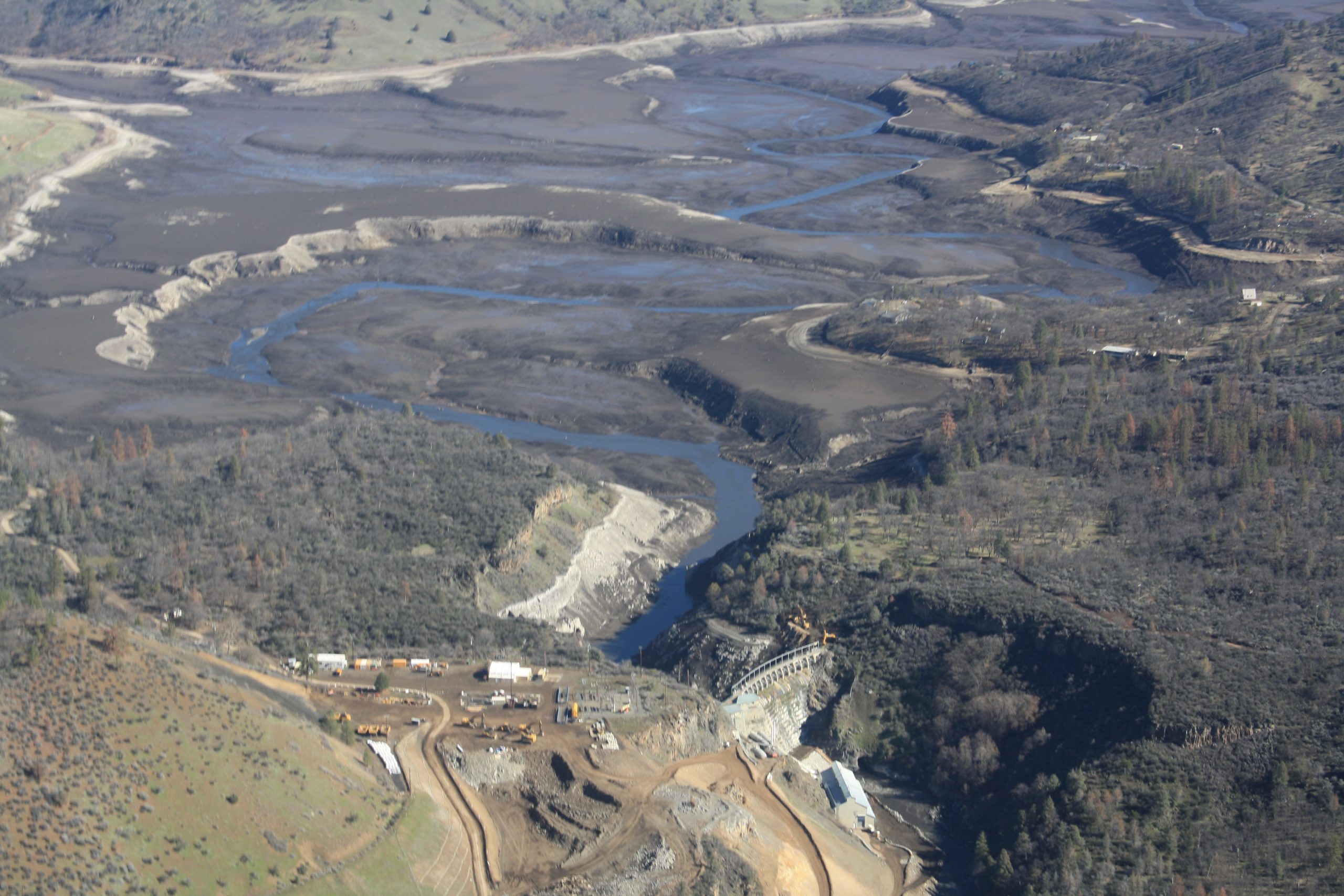
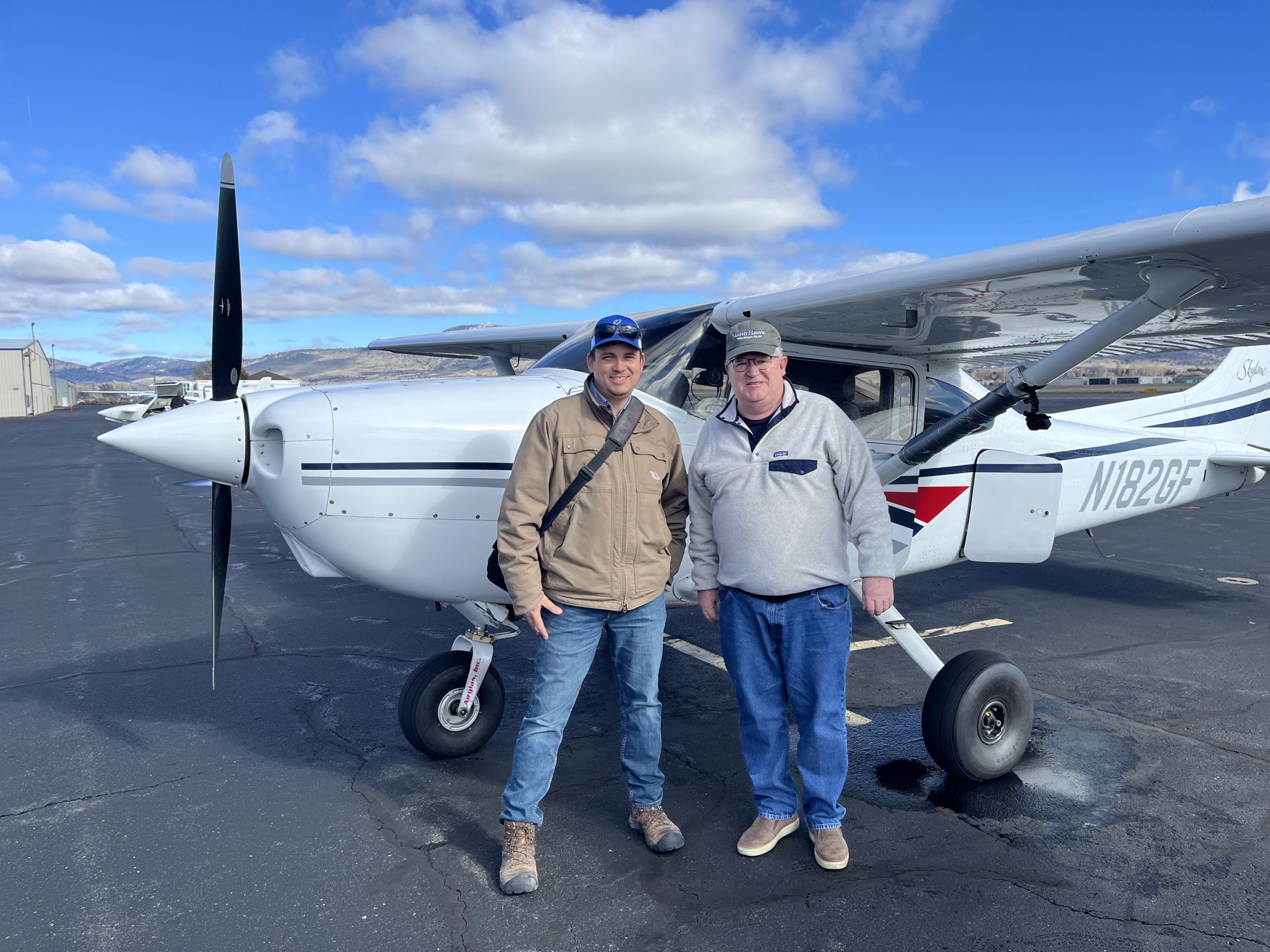
The first flight captured the Klamath River before removal began, with the dams still in place and reservoirs holding back its natural flow. When LightHawk returned in February 2024, one dam had already been removed and the remaining reservoirs were being drawn down, exposing vast stretches of newly emerging riverbed. Volunteer pilot Lane Gormley flew Trout Unlimited’s Evan Bulla over the changing landscape in his Cessna 182, documenting a river in transition.
Throughout 2024, LightHawk continued flying the Klamath to document dam removal and the restoration unfolding along the river corridor. Together, these flights created a visual record of the largest dam removal project in U.S. history and the beginning of a new chapter for the Klamath, as habitat reconnects and salmon once again gain access to hundreds of miles of historic spawning grounds.