

Wildlife
A lifeline for wild species
With a focus on wildlife recovery, LightHawk plays a vital role in protecting
North America’s most critically endangered wildlife.
The Focus
Wildlife doesn’t wait
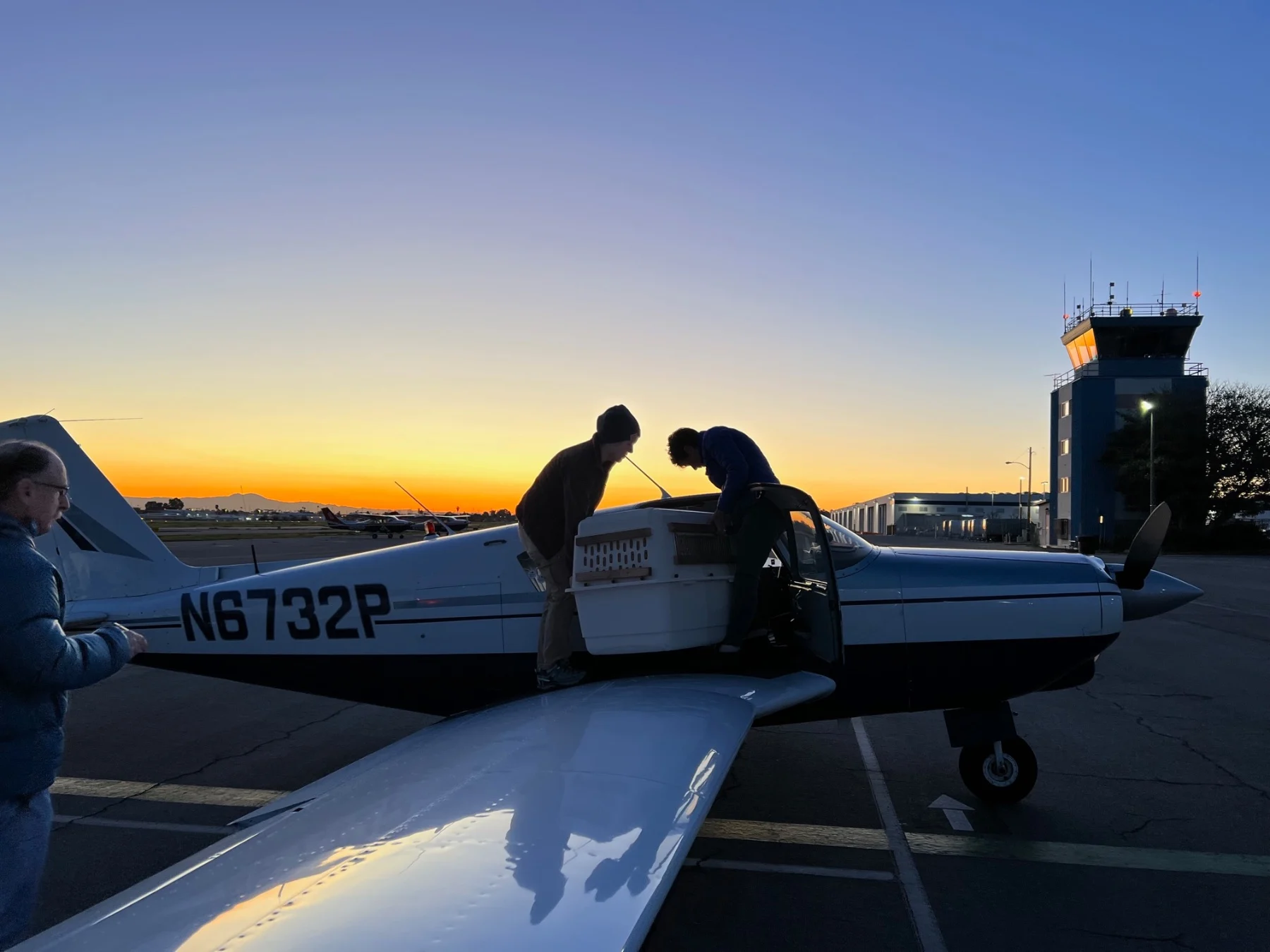
Species recovery runs on a clock set by nature. A wolf pup has to reach a wild den within days of birth. A rehabilitated condor needs safe access to its remote release site. A population of island foxes requires post-release monitoring to ensure its continued health. Recovery depends on getting animals where they need to go, and knowing how they’re doing once they’re there.
That’s where LightHawk comes in. Small aircraft move wildlife faster, safer and with less stress than any highway or commercial airline can, on the animals’ schedule, not ours. This is the work behind the ongoing recovery of species like California condors, black-footed ferrets, whooping cranes, Mexican and red wolves, and white abalone. Every flight is a small, time-sensitive act with an outsized result: one more species given a shot at survival.
From the Flight Log
Recent developments
Focus: Wildlife
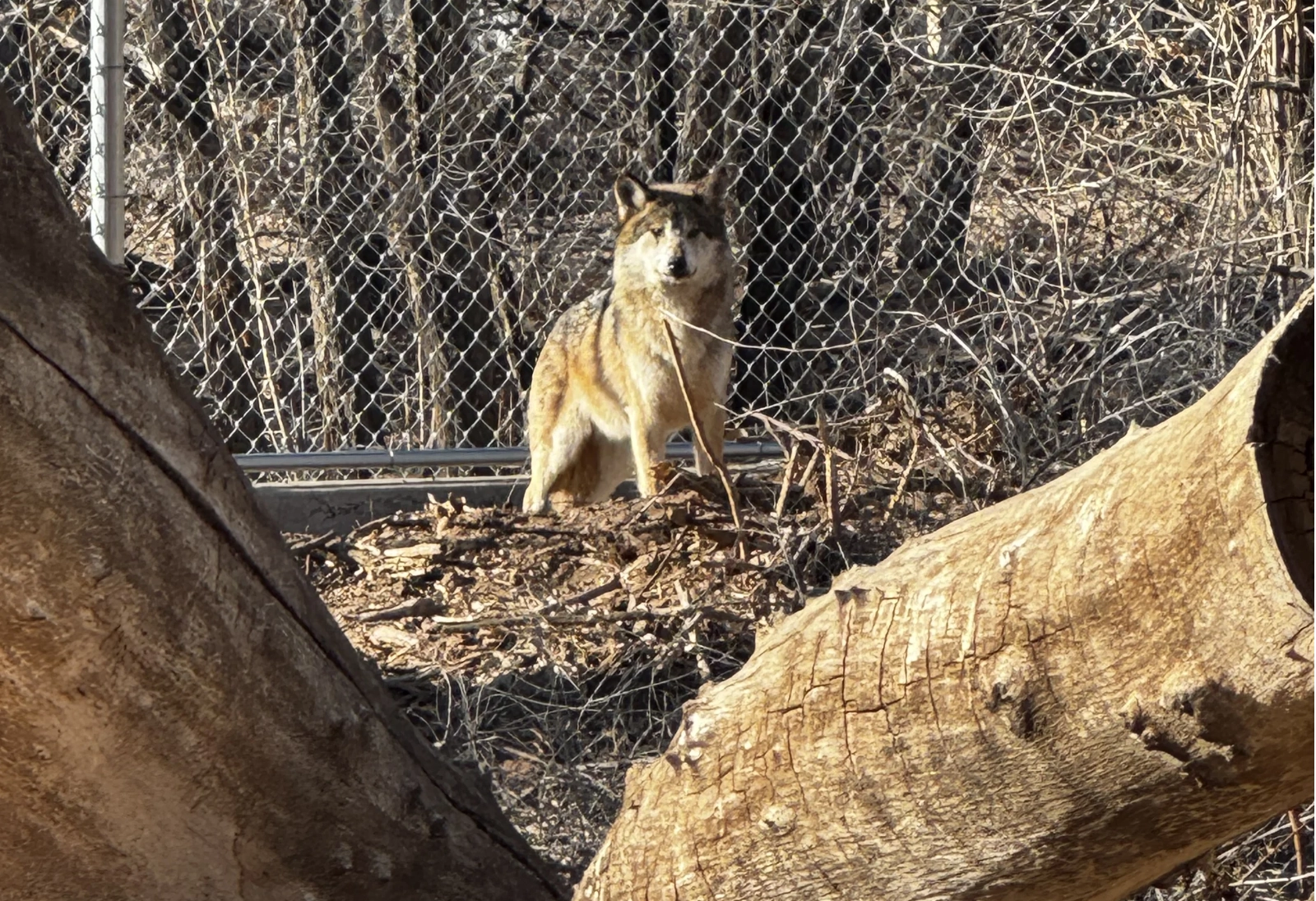
On The Wing News: Winter 2026
In this edition of On The Wing, we look at LightHawk’s role in the long-term recovery of the Mexican wolf,…
Focus: Wildlife
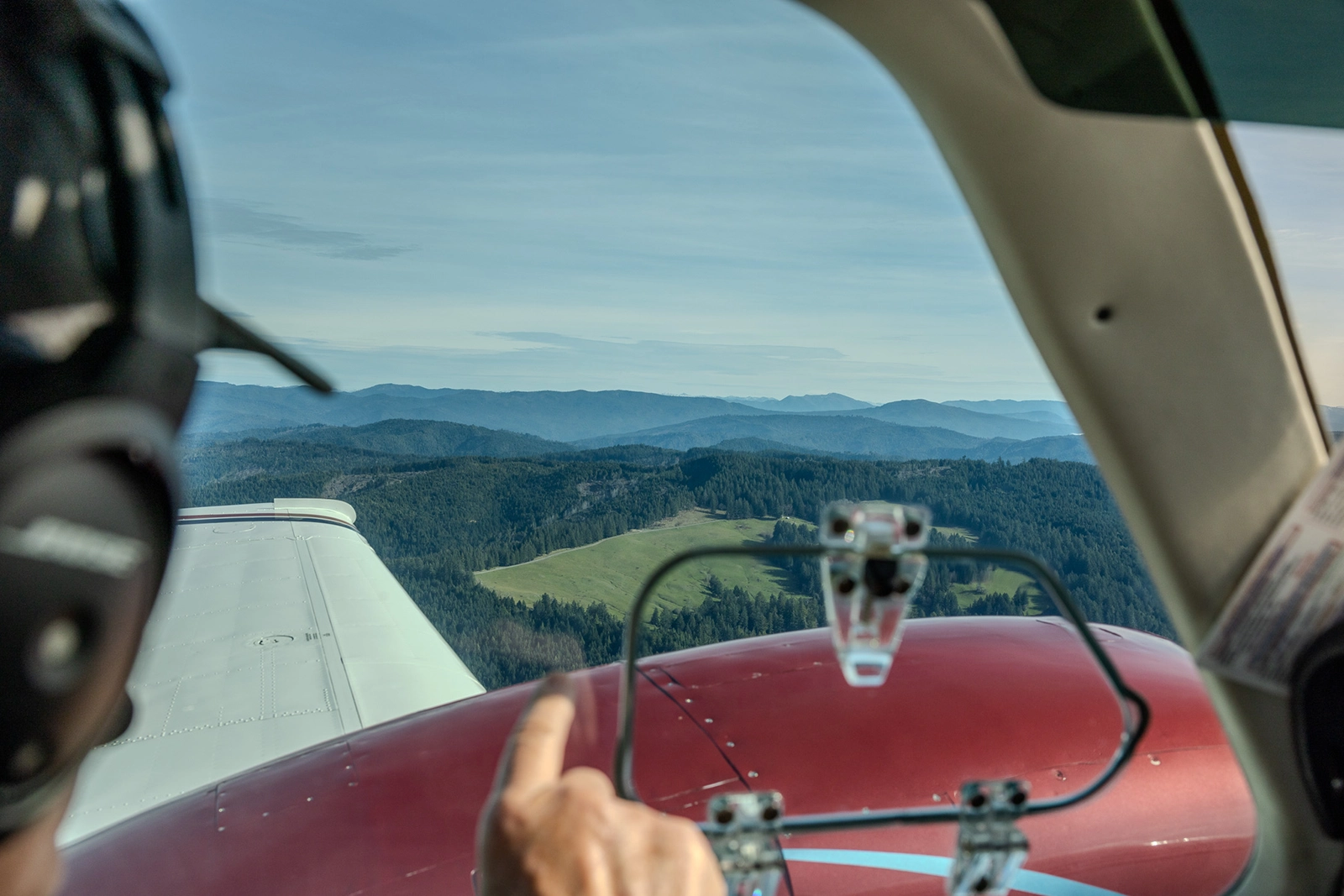
Pilot View: California Condors Return to Northern California
The reintroduction of California condors to parts of Northern California is an interesting story. It’s one that deserves to be…
Featured Mission
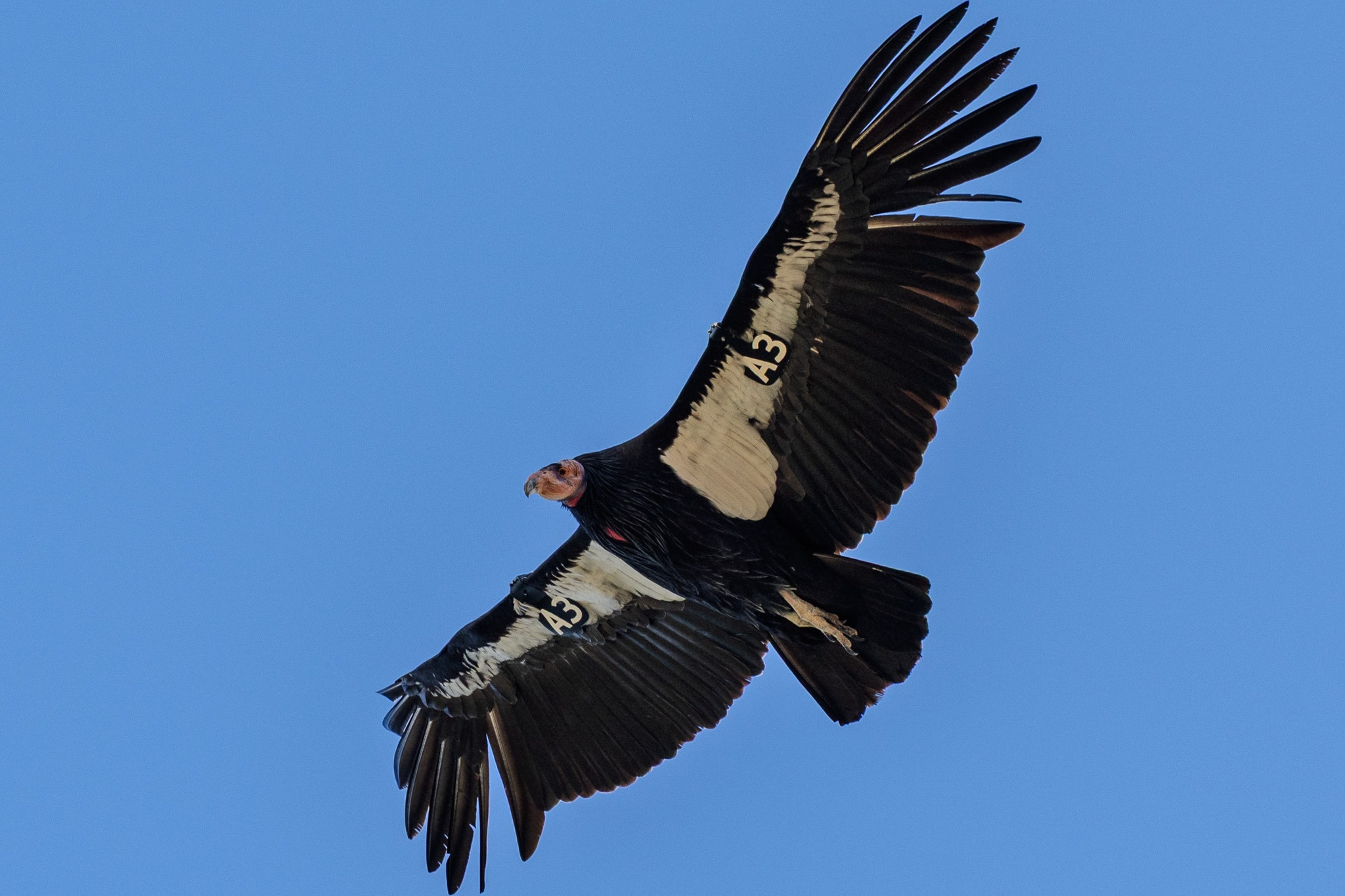
Capturing a Condor’s Story of Survival
The return of California condors to Northern California is a story best understood from both the ground and the air.…
Focus: Wildlife
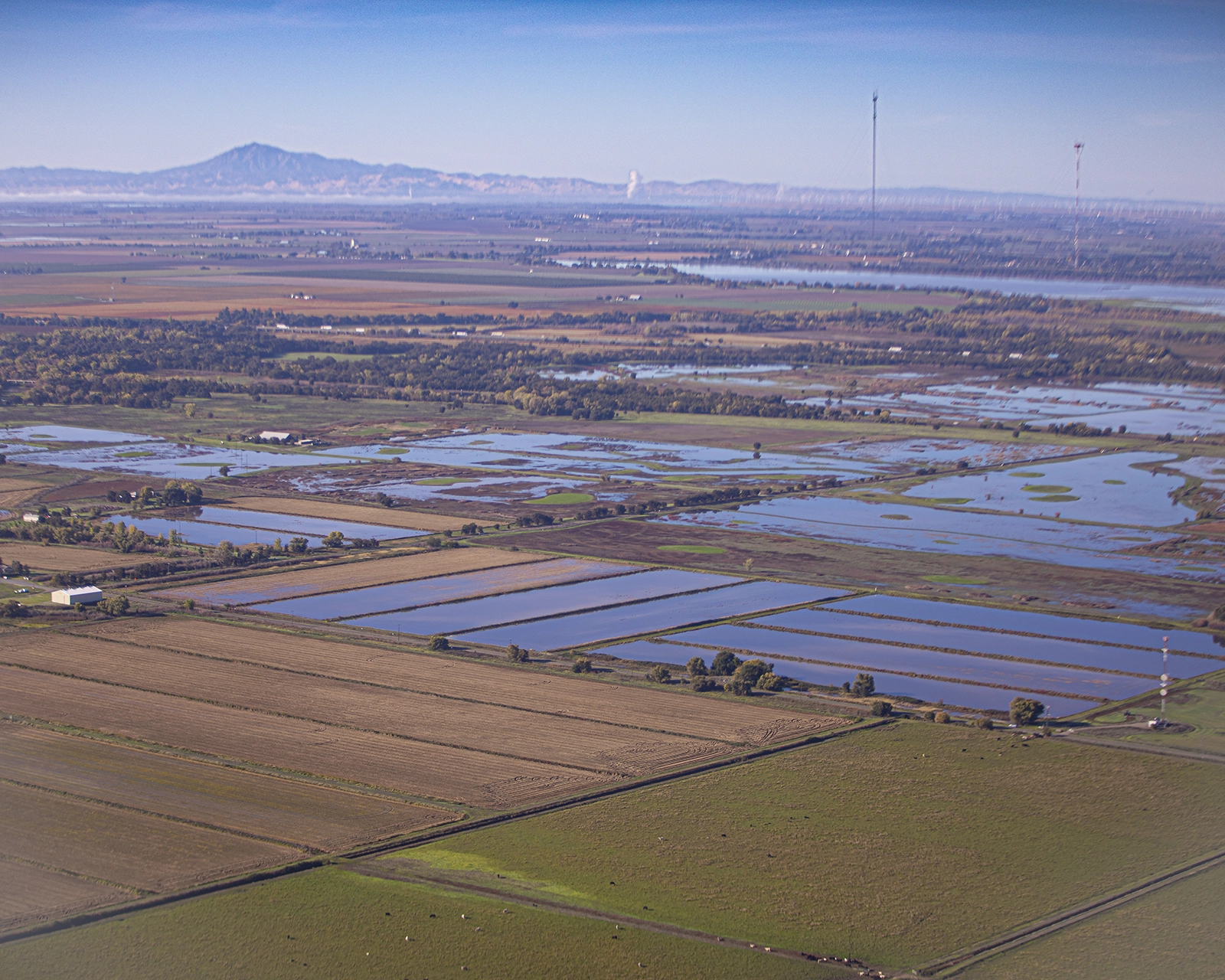
Pilot View: Preserving Pacific Flyway Habitat for Sandhill Cranes
There’s one thing for certain when you take to the skies – once you leave the ground, you’ll eventually need…
Focus: Wildlife
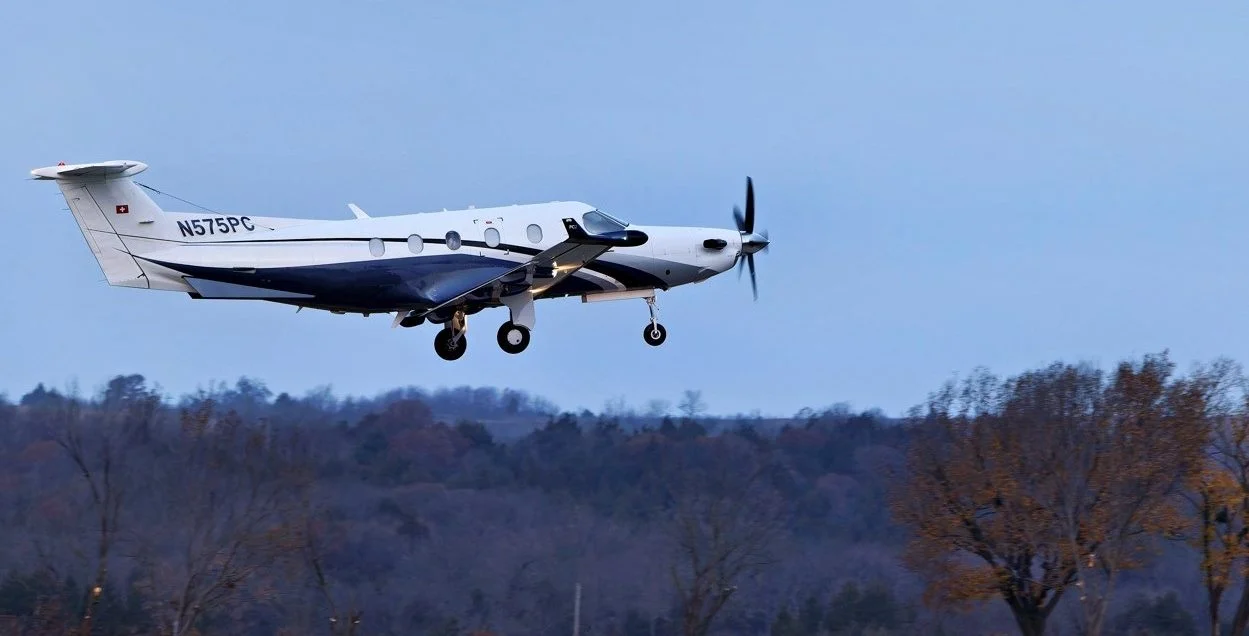
Pilot View: Flying West with Endangered Masked Bobwhite Quail
When first described by scientists, the masked bobwhite quail thrived across the Southwestern United States and into Central Mexico. By…
Featured Mission
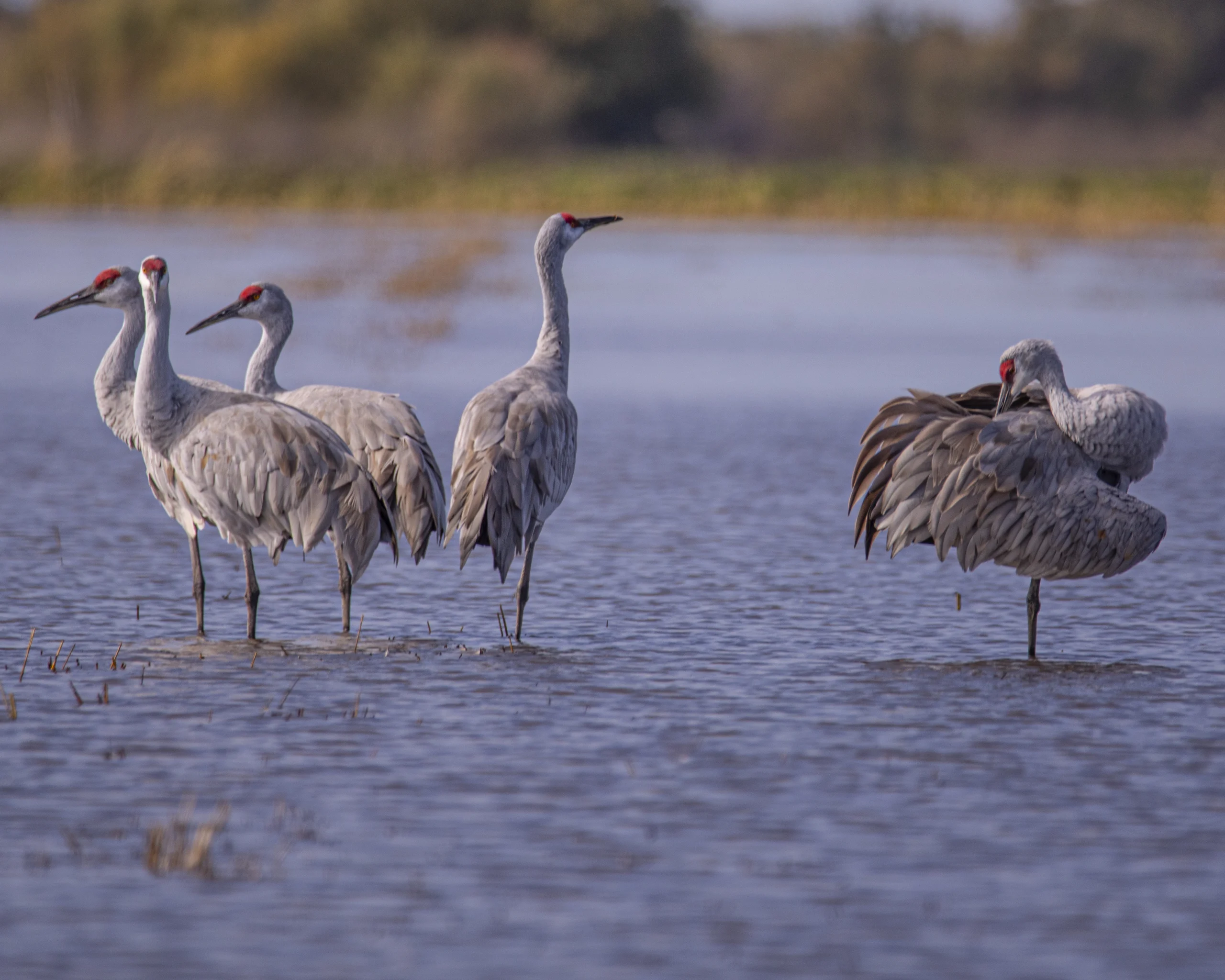
Documenting Critical Habitat for Sandhill Cranes
Sandhill Cranes are one of the oldest living bird species, with a fossil record stretching back millions of years. Today,…
Keep Exploring
More priorities
 Priority
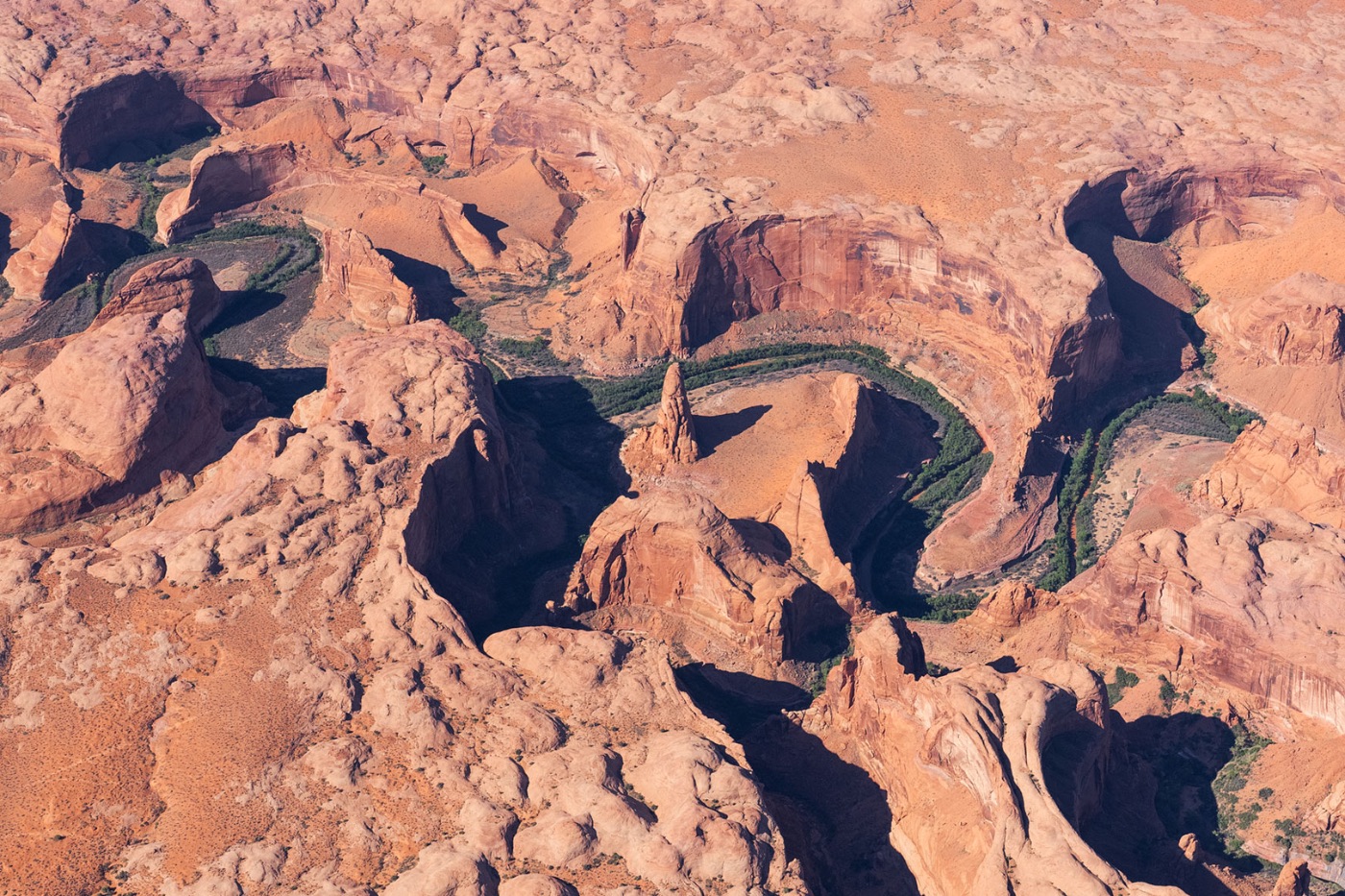
Landscapes
Using aviation to ensure a sustainable future for our planet’s most remarkable and ecologically important landscapes.
Explore Landscapes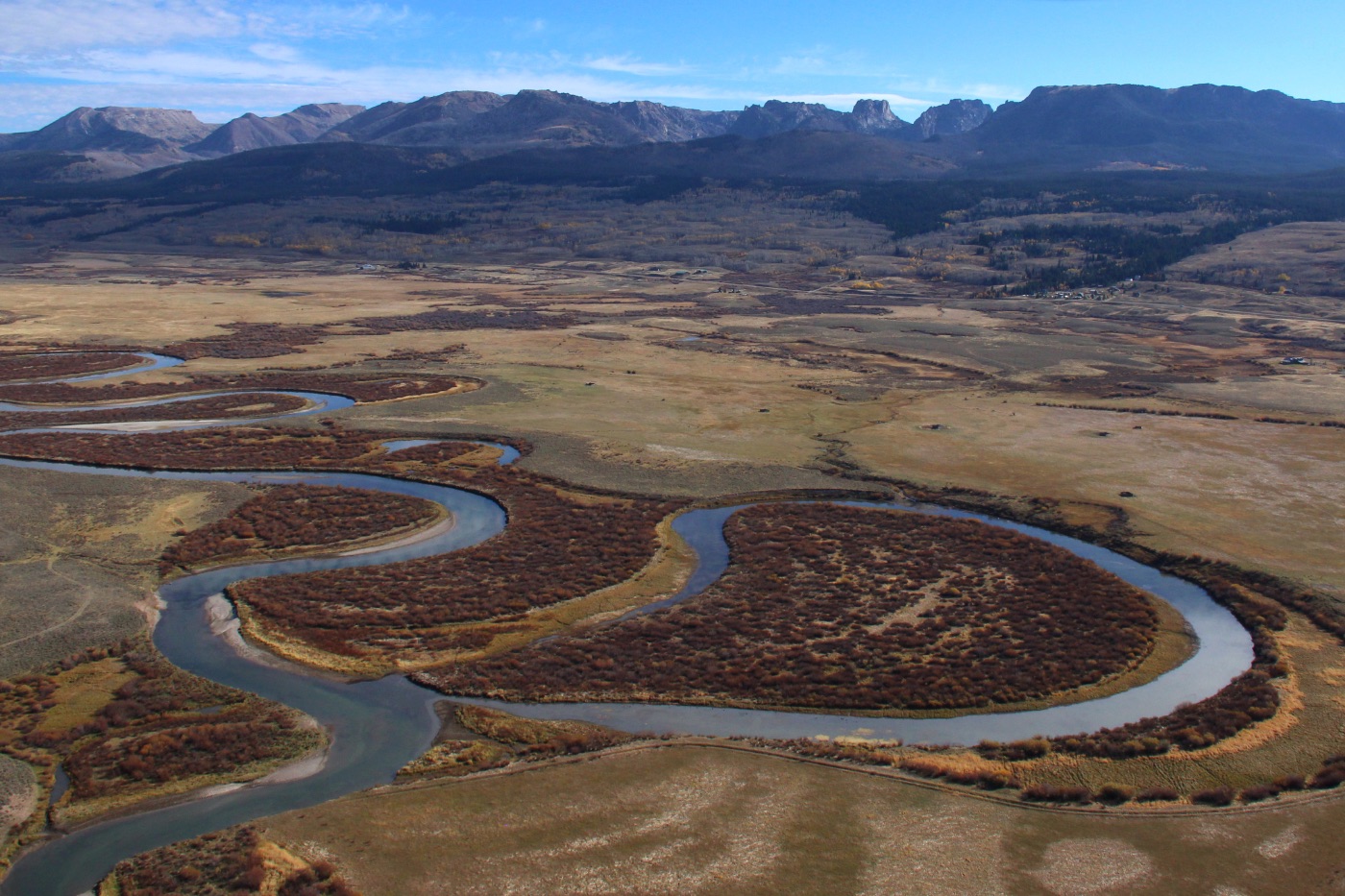 Priority
Watersheds
From water-quality monitoring to habitat restoration, safeguarding the rivers and wetlands that keep ecosystems alive.
Explore Watersheds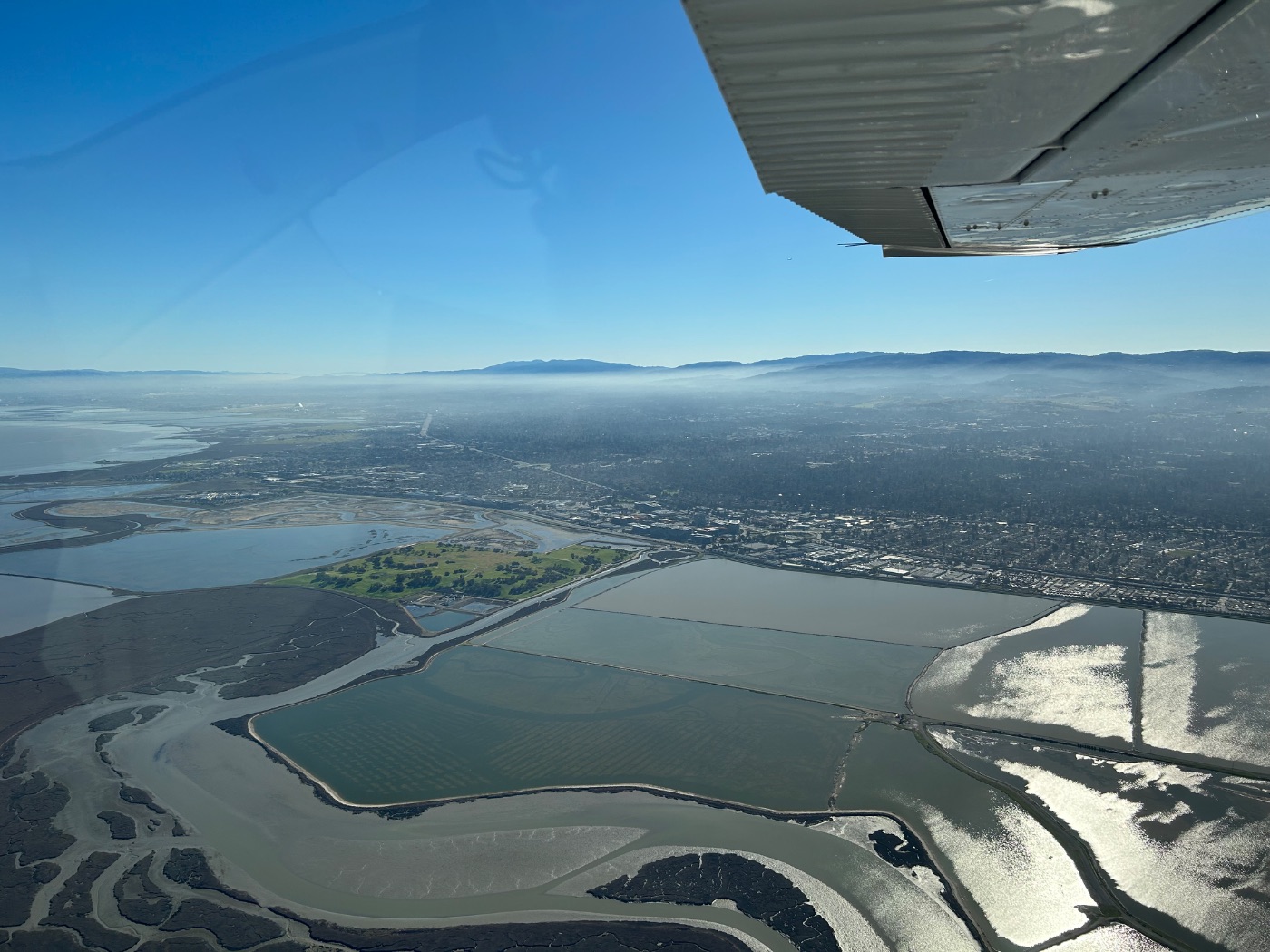 Priority
Coastlines
Taking flight to protect oceans, coastlines, and the rich biodiversity that coastal communities depend on.
Explore Coastlines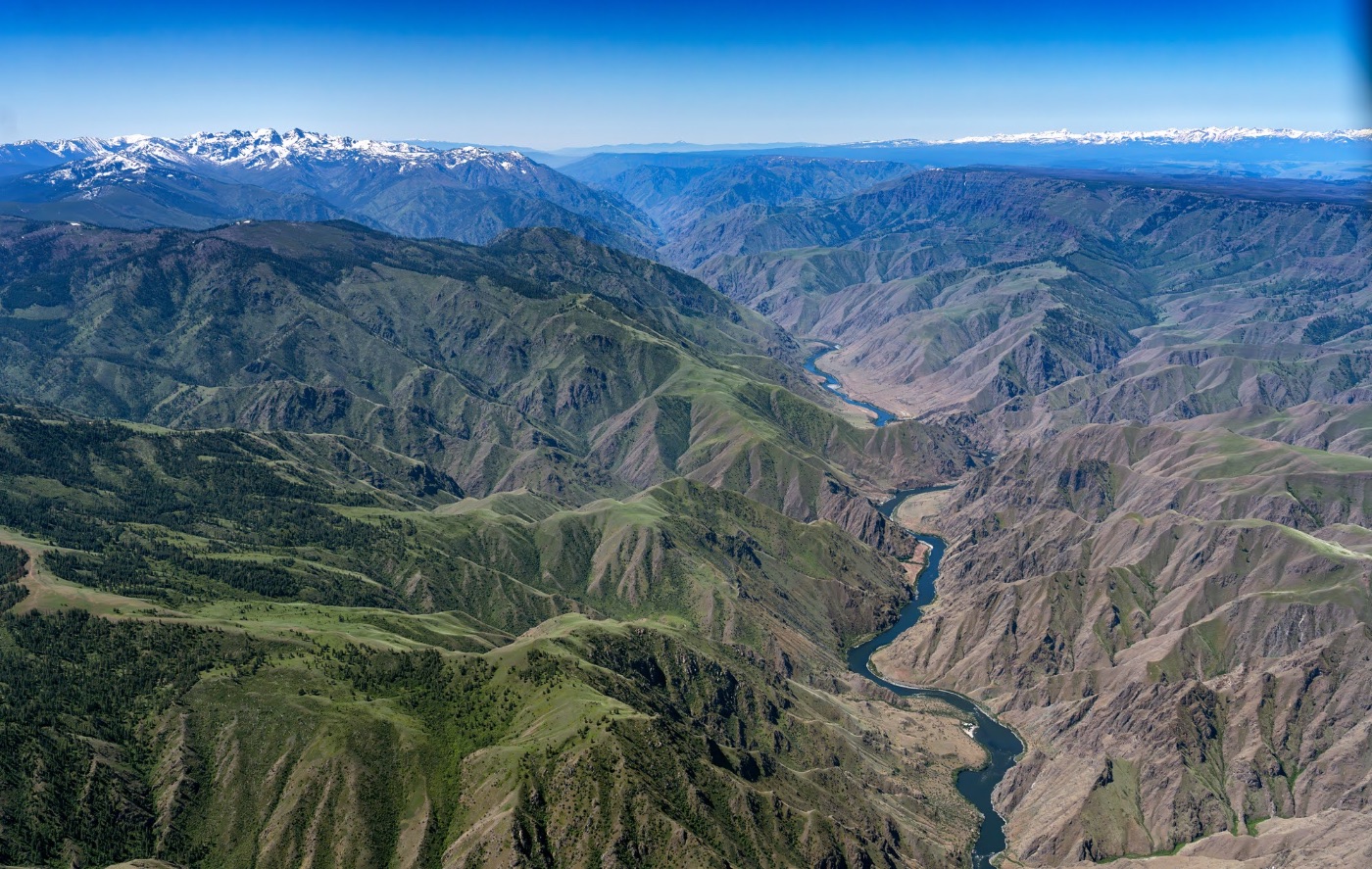
Put the aerial perspective to work.
If your organization works on wildlife conservation, a LightHawk flight is available at no direct cost to qualifying partners.