
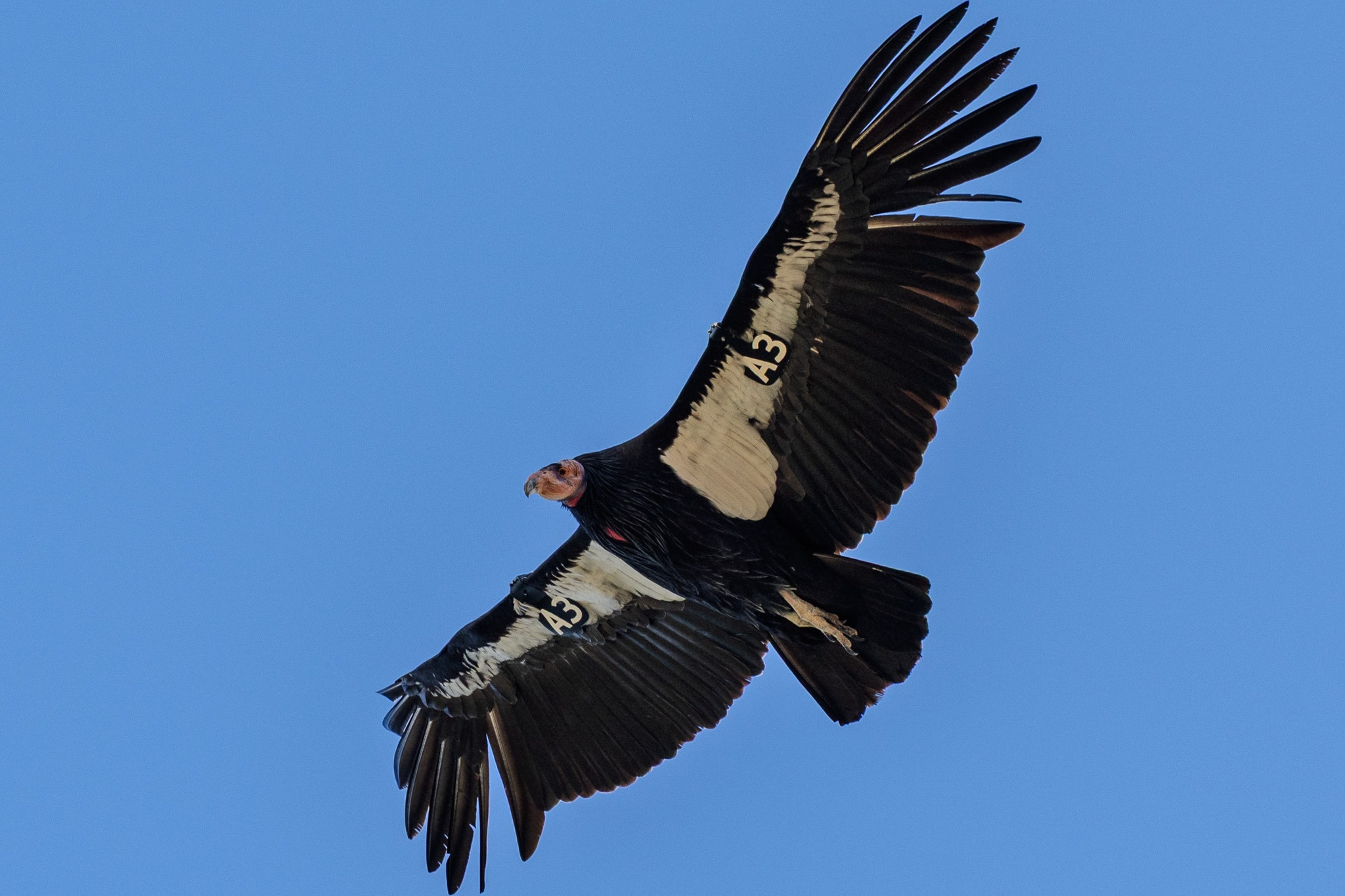
The return of California condors to Northern California is a story best understood from both the ground and the air. Their vast range stretches across rugged forests, mountains and coastline, connecting landscapes that are difficult to comprehend from any single vantage point.
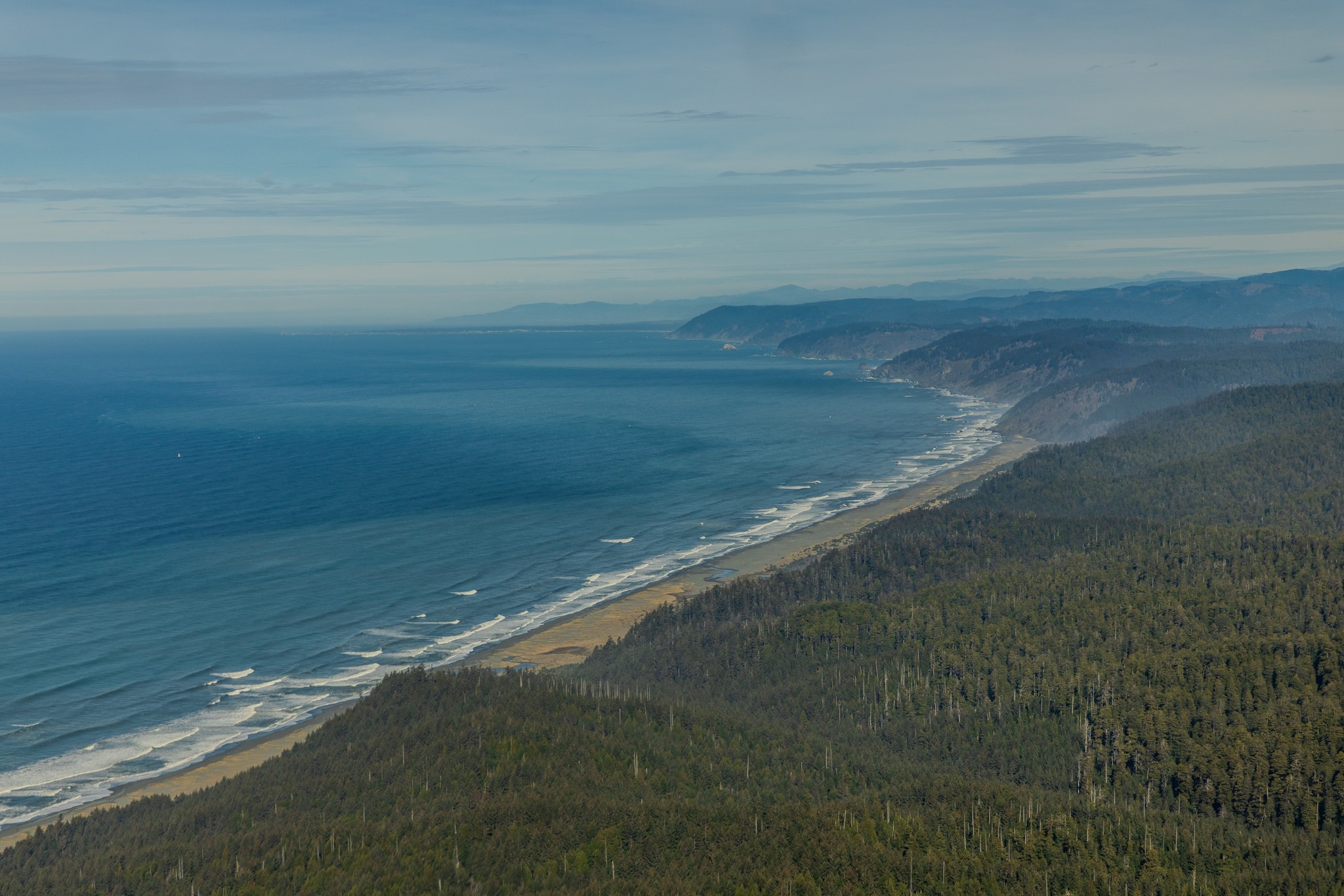
LightHawk recently flew conservation partner Natives Outdoors over Redwood National and State Parks to capture aerial imagery for a documentary about the condors’ reintroduction. The footage will help audiences experience the landscape from a condor’s perspective and better understand what their recovery requires.
According to the National Park Service, the Yurok Tribe made restoring California condors to Yurok Ancestral Territory a top priority in 2003. Five years later, the Tribe’s wildlife program secured funding from the U.S. Fish and Wildlife Service to determine whether the condors’ historic habitat could support them once again.
That work grew into the Northern California Condor Restoration Program, a collaboration among the Yurok Tribe, government agencies and conservation organizations. In spring 2022, the first condors were released from a facility in Redwood National Park, returning the species to the region after more than a century.
LightHawk continues to work with the Yurok Tribe on aerial monitoring flights that help track the region’s growing condor population.
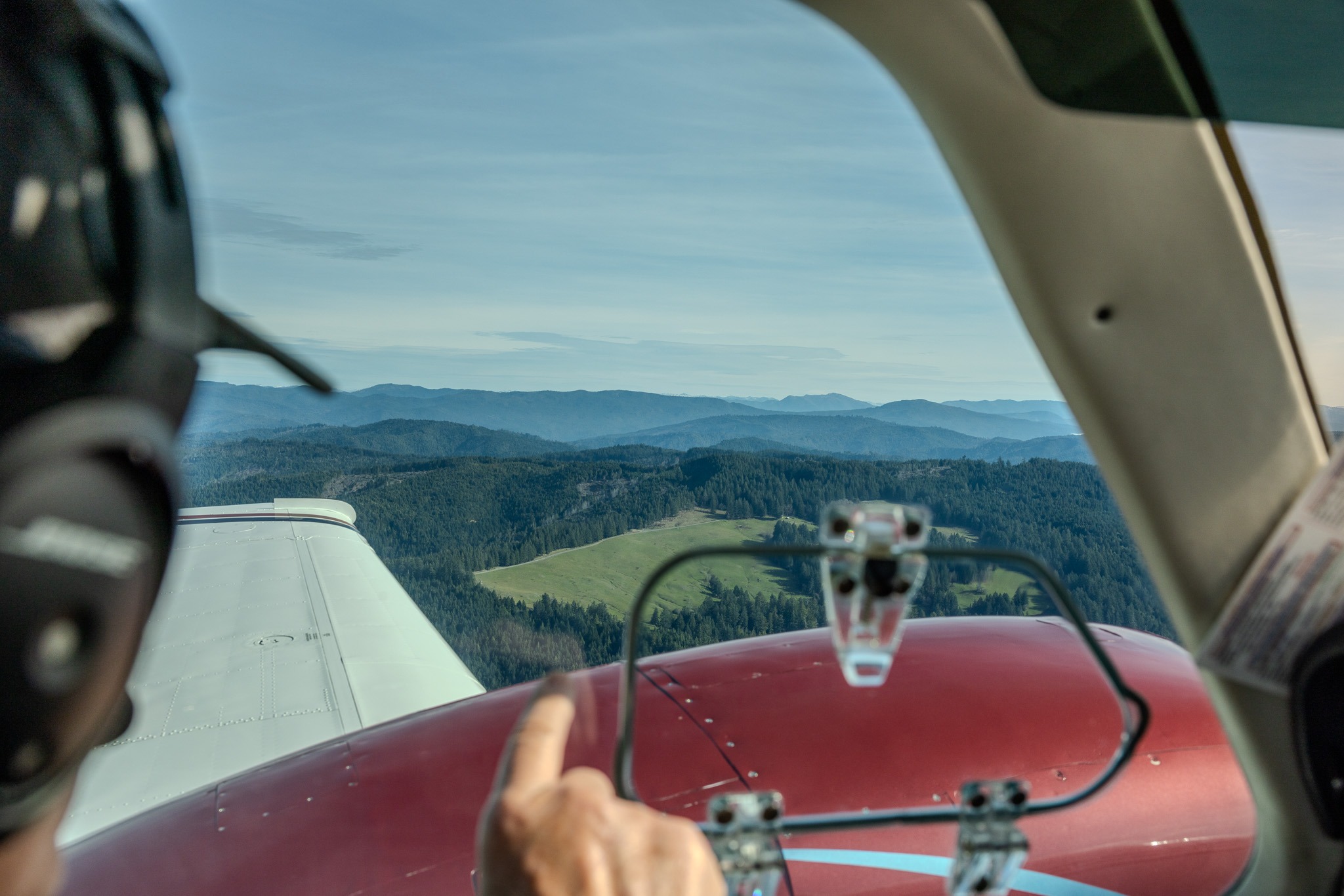
That same aerial perspective is also helping share the condors’ story with a wider audience. Departing from Eureka, volunteer pilot Rick Utermoehlen flew the Natives Outdoors film crew over the Redwood Coast near Redwood National and State Parks. From the air, the crew captured imagery of condor habitat and range, along with sweeping views intended to show the landscape from a condor’s perspective.
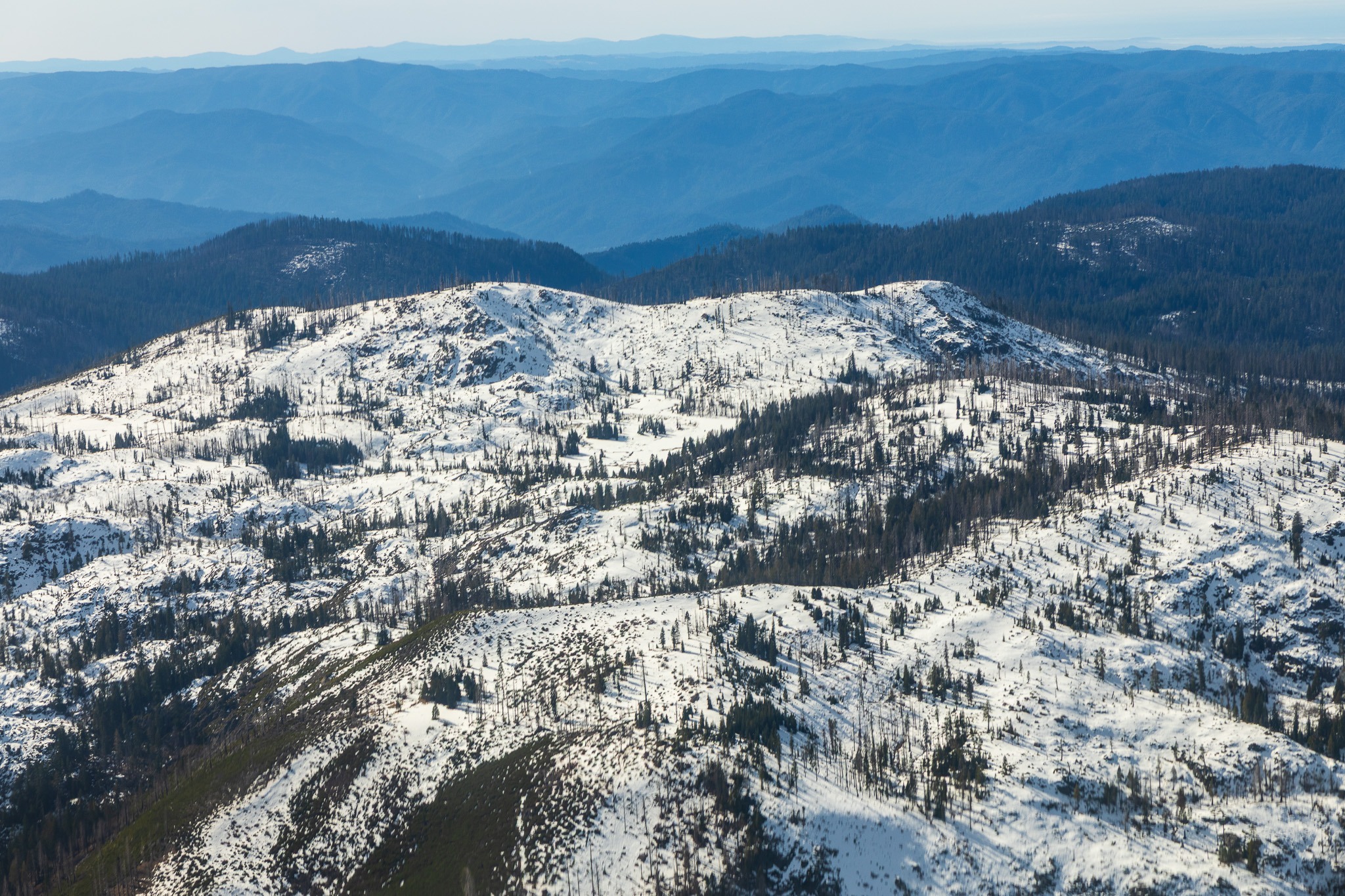
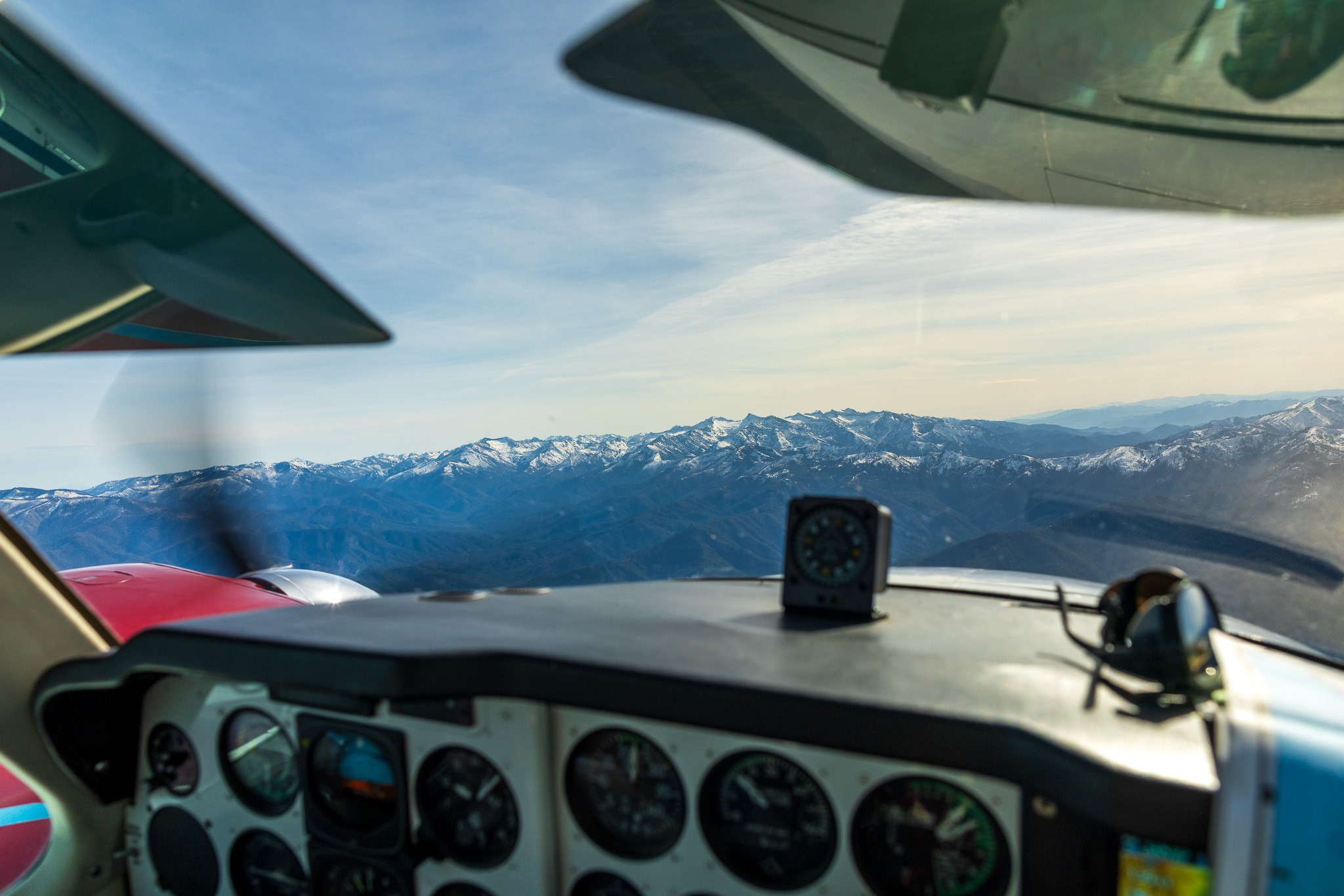
The imagery and video captured during the flight will appear in the Natives Outdoors documentary and in interpretive exhibits planned for a new visitor center north of Orick, California.
Working alongside Natives Outdoors, LightHawk helped provide an aerial perspective to show audiences how condors move through this landscape and why protecting habitat across their historic range remains essential to their recovery.