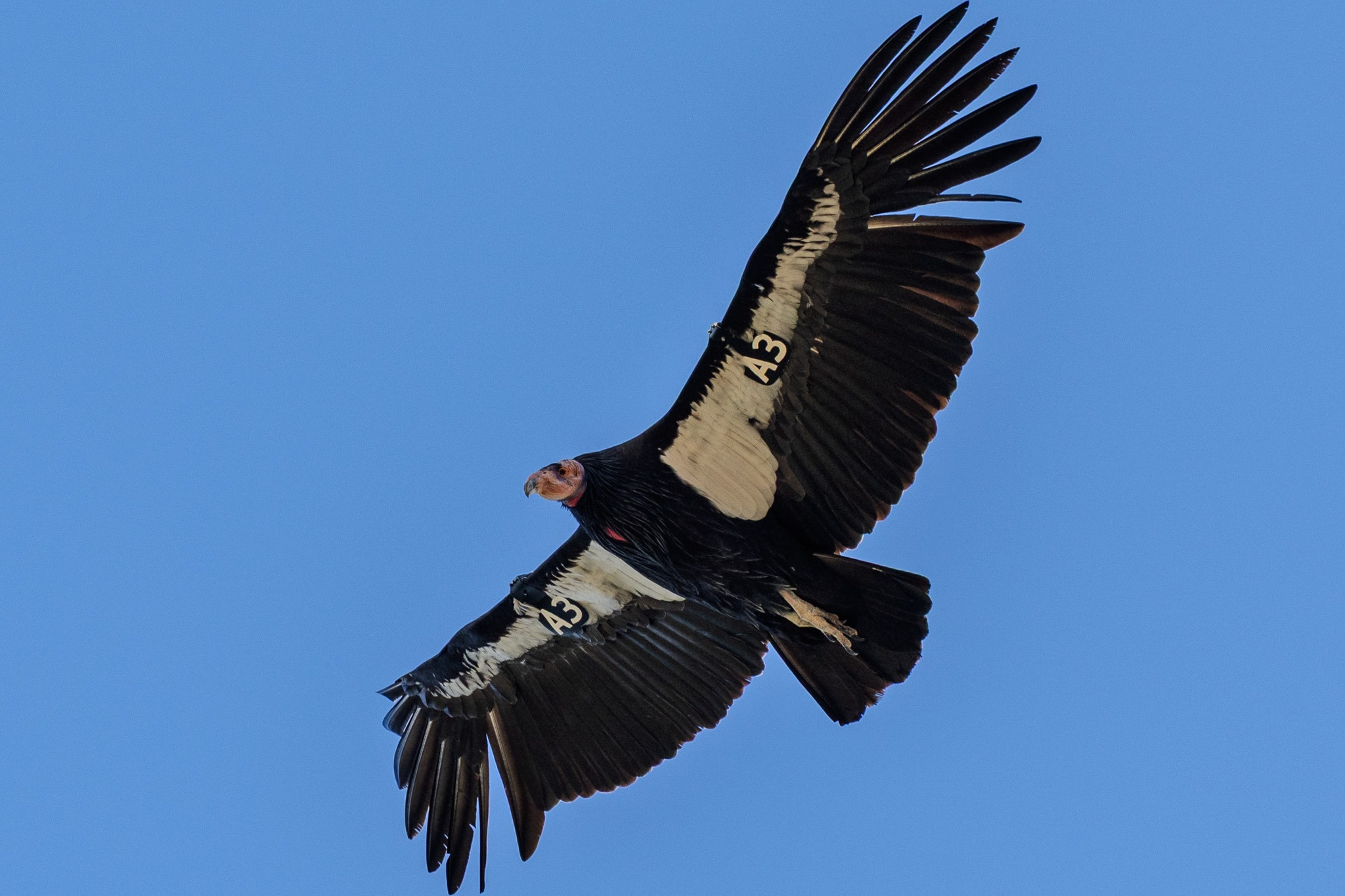
For more than a decade, LightHawk has helped move, monitor and protect one of North America’s most endangered birds.
The Commitment
Every Bird Matters.
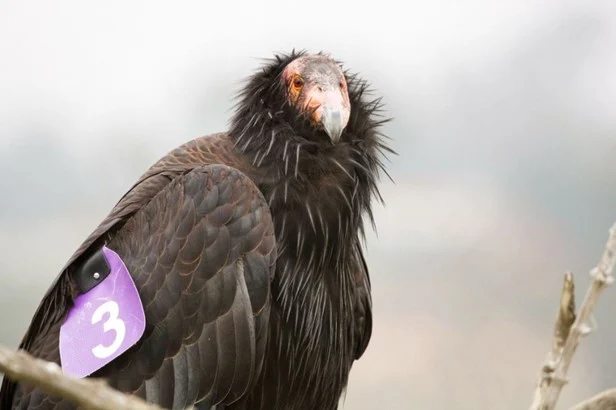
California condors nearly disappeared in the 1980s, when the population fell to just 22 birds. Their return to the wild is an extraordinary conservation achievement, but the recovery remains fragile. Condors still depend on managed breeding, careful releases, ongoing monitoring and rapid intervention when a bird is in danger.
LightHawk works alongside the organizations leading this recovery, providing flights that move condors and eggs where they need to go and help biologists locate missing birds across vast, rugged terrain.
A Decade Of Flight for Condors
LightHawk California condor transport and aerial monitoring missions.
since 2014
55+
Condor Missions
37+
Birds Transported
3
Eggs Transported
35
Aerial Telemetry Flights
TRANSPORT
Moving Condors Towards Recovery
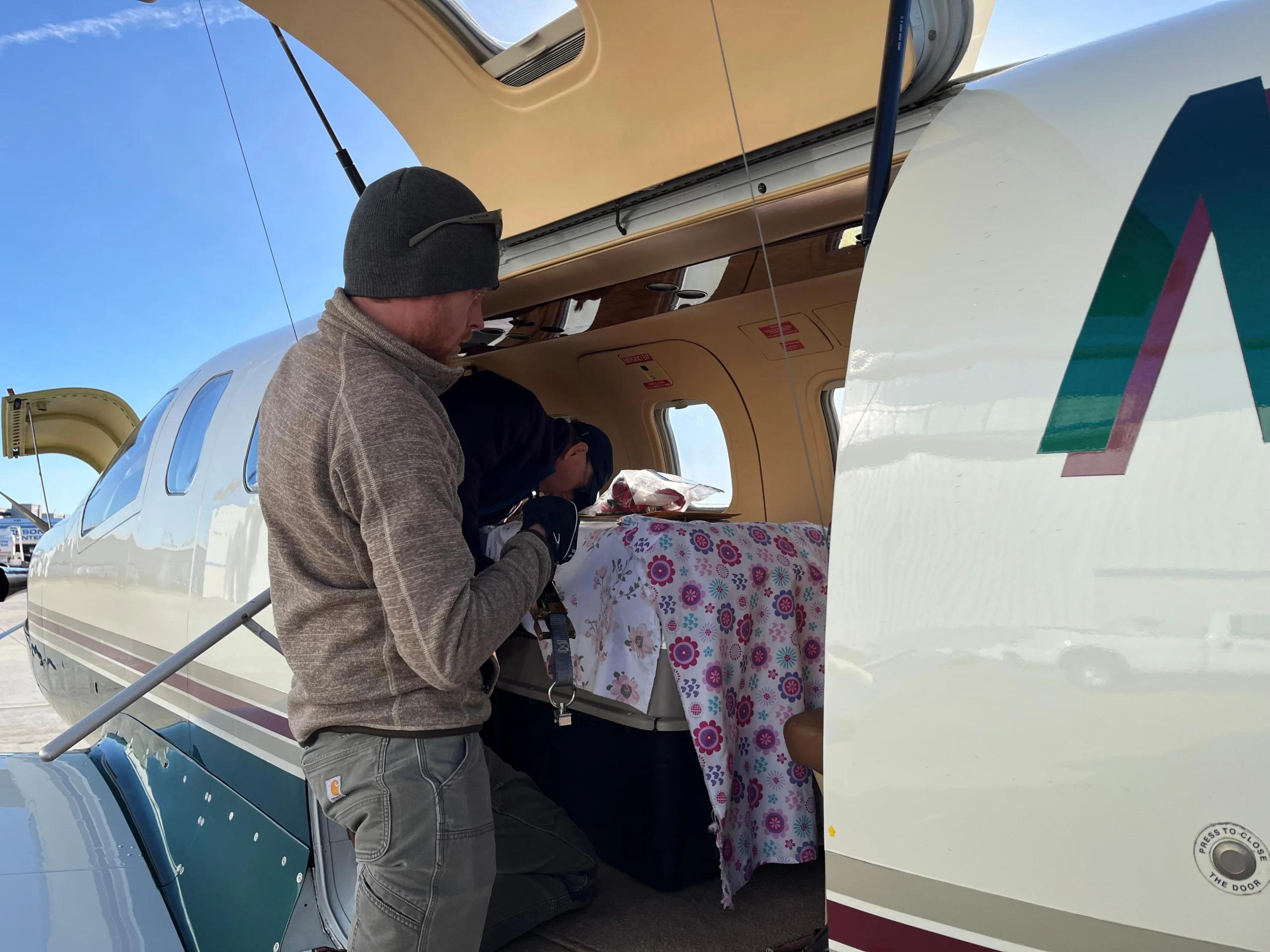
California condor recovery depends on moving birds among breeding facilities, veterinary centers and release sites. Since 2014, LightHawk has flown to shorten these journeys, reducing stress while giving recovery teams greater control over timing and care. Flights have moved adults to form genetically important breeding pairs, placed experienced birds with younger condors as mentors and carried sick or injured birds to treatment.
In LightHawk’s largest condor transport, seven volunteer pilots carried nine young birds from Boise to central California for release at Pinnacles National Park and Big Sur. Other missions transported a condor with a badly broken leg for specialized treatment and condor 171, the 25-year-old matriarch of the Central California Coast flock, for surgery after she developed lead poisoning.
MONITORING
Tracking Condors In Rugged Terrain
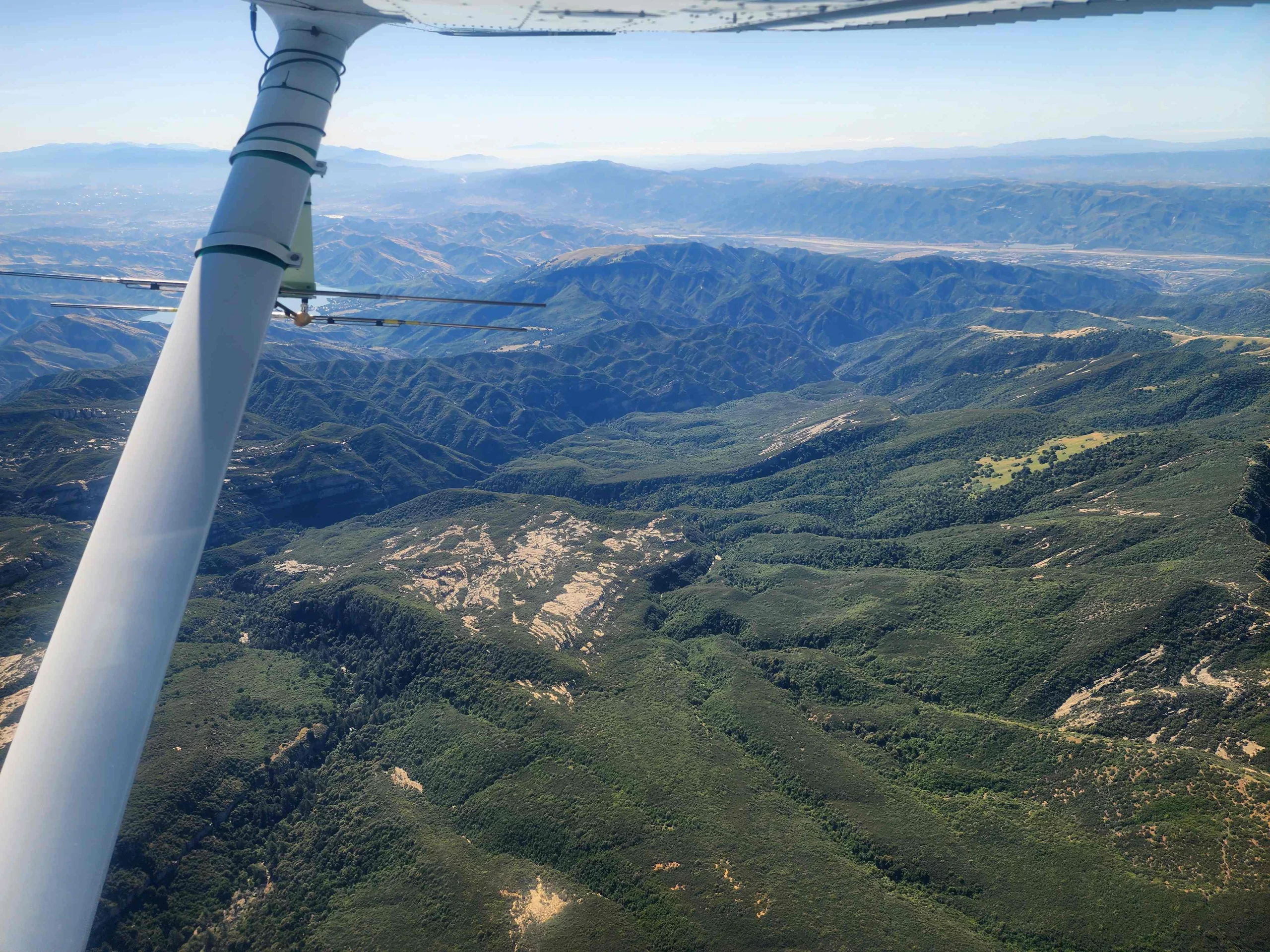
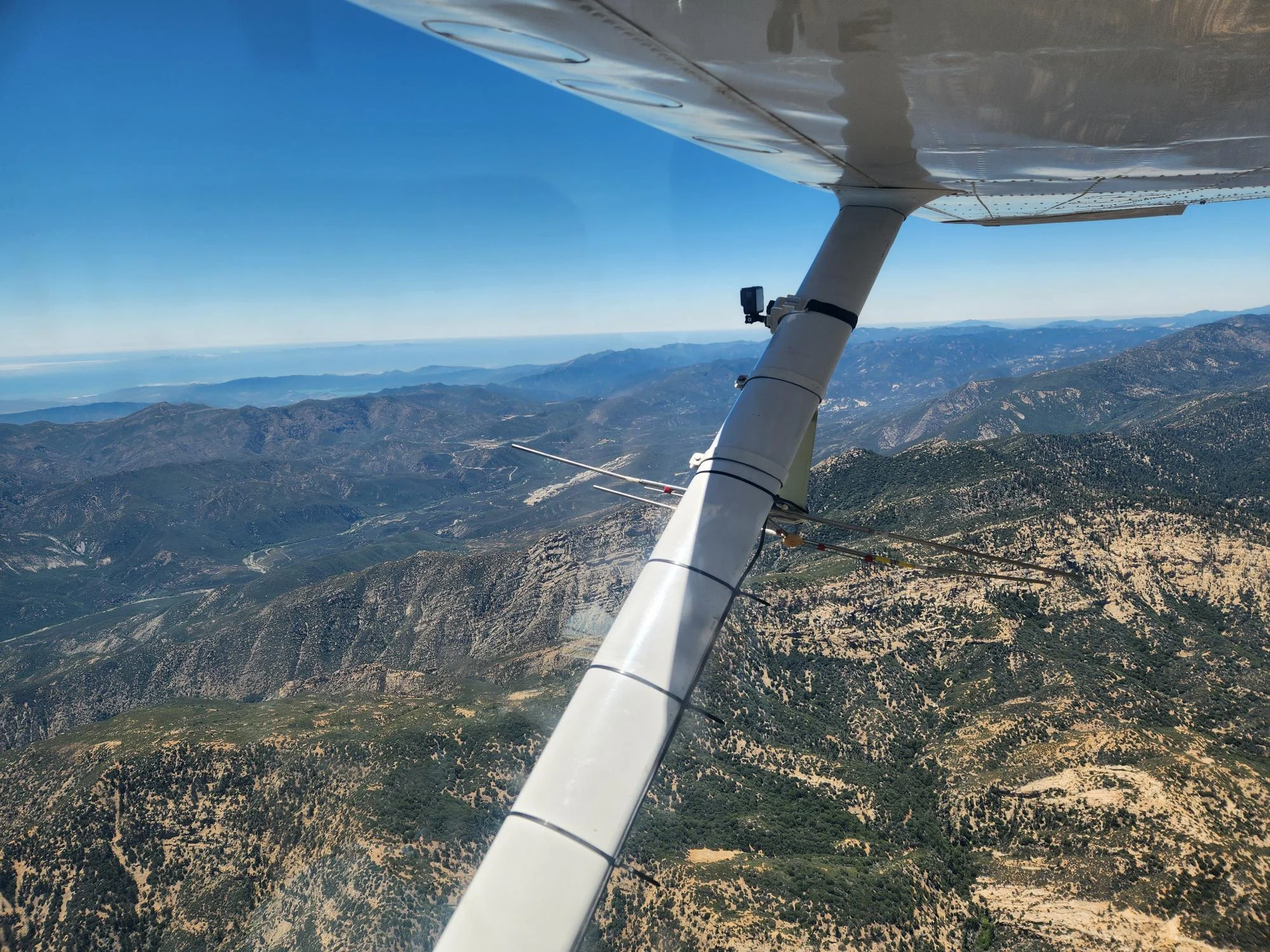
Once released, condors may travel hundreds of miles across mountains, canyons and remote coastline. When a radio signal disappears, biologists must determine whether the bird has moved beyond ground detection, its transmitter has failed or it needs urgent help. Aerial telemetry allows recovery teams to scan vast areas quickly and direct ground crews to likely locations.
From January 2023 through August 2026, LightHawk completed 35 monitoring flights working alongside Santa Barbara Zoo, Pinnacles National Park and Ventana Wildlife Society. These missions searched for missing, sick and injured condors, monitored nesting activity, focused ground searches and helped locate mortalities for recovery and investigation.
“The missions that LightHawk flies for us are invaluable in determining the status of the condor population in southern California. The expediency of aerial searches allows us to determine status quickly and, in some cases, locate mortalities to understand cause of death.”
Dave Meyer — Santa Barbara Zoo
Featured · Featured Mission
Capturing a Condor’s Story of Survival
The return of California condors to Northern California is a story best understood from both the ground and the air. Their vast range stretches across rugged forests, mountains and coastline, connecting landscapes that are difficult to comprehend from any single…
Your gift keeps LightHawk flying, putting aviation to work to transport condors, monitor them across vast landscapes and help recovery teams respond when birds need care.