

OCEANS & COASTLINES
Advancing Conservation Along California’s Coast
Across California, we advance marine conservation through time-sensitive white abalone transport and sustained monitoring of the habitats their recovery depends on.
The Commitment
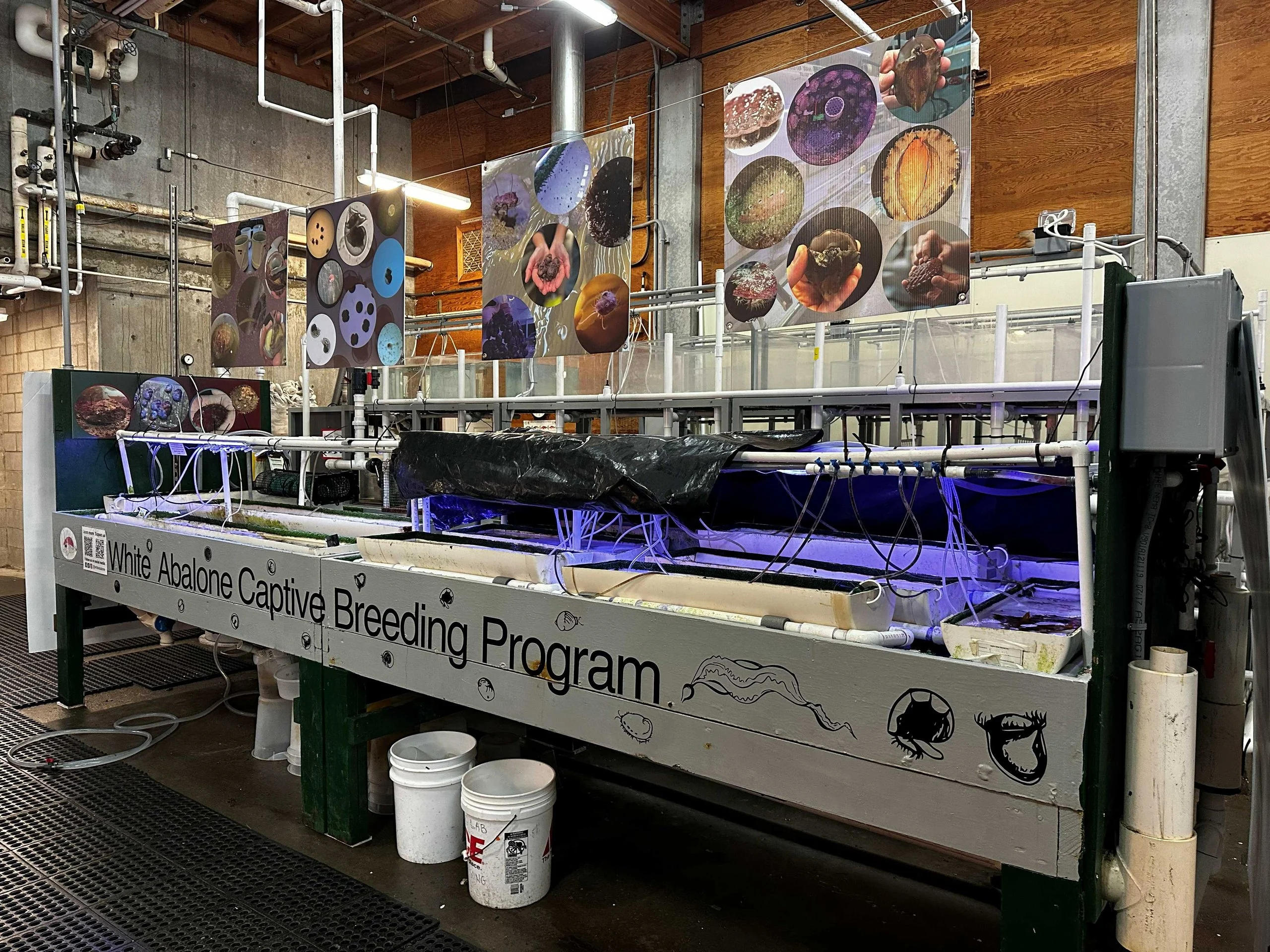
White Abalone and Kelp Forests
White abalone and kelp forests are part of the same recovery story. As keystone grazers, white abalone help sustain the diversity and stability of these ecosystems, while healthy kelp forests provide the habitat they need to survive.
With white abalone populations down more than 99 percent, LightHawk provides the rapid planning and transportation needed to move larvae, juveniles and adults through a network of specialized facilities within narrow biological windows. We are extending that commitment through aerial monitoring of kelp forests and Marine Protected Areas, helping protect both an integral species and the ecosystem its recovery depends on.
PROTECTING HABITAT
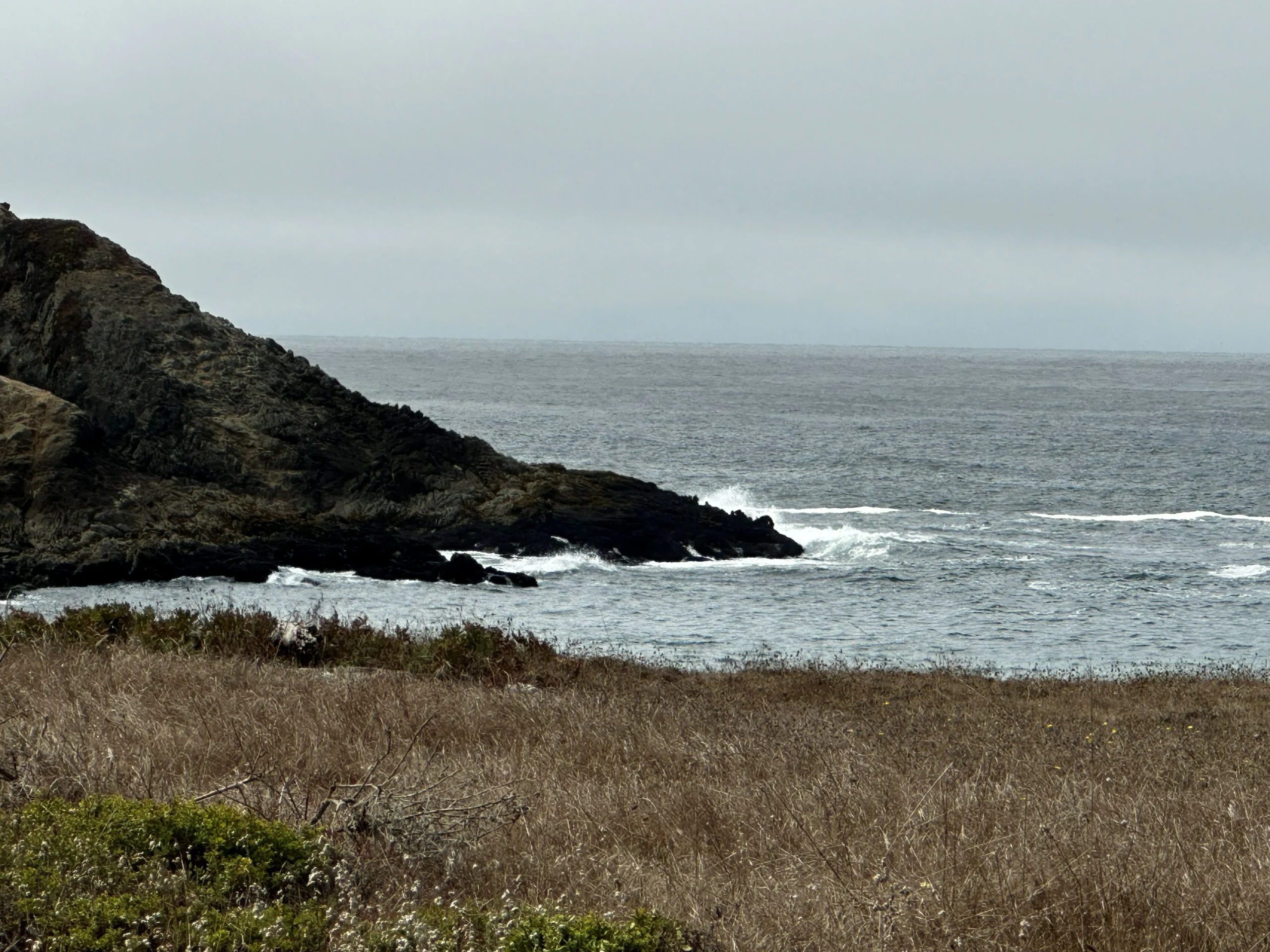
Extending Recovery Beyond the Species
White abalone recovery depends on healthy kelp forests and protected waters. Our sustained commitment includes aerial monitoring of kelp forests and Marine Protected Areas along California’s coast. These surveys document changing canopy conditions across long stretches of coastline, filling gaps left by satellites and ground monitoring and providing the information needed to detect decline early, target restoration and strengthen habitat protection for white abalone and other marine life.
the impact
From the Lab to the Sea
Our Contributions to White Abalone Recovery
2020-2026
Million Embryos & Larvae Transported
Juvenile Abalone Transported
Years Supporting Recovery
Abalone Outplanted by the Recovery Program
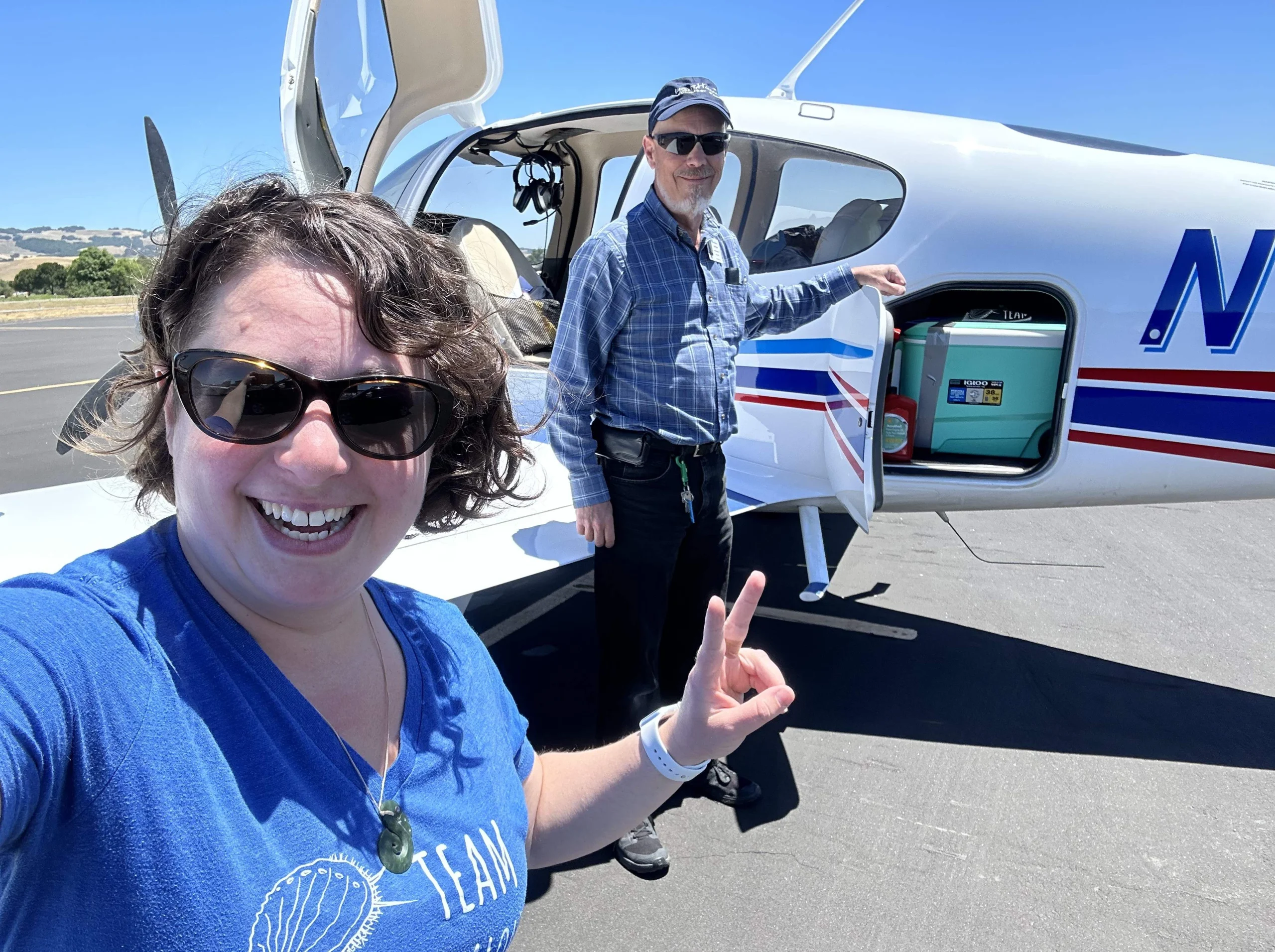
“Because of LightHawk, we have been able to increase the number of spawning attempts, which has increased our productivity, bringing us much closer to meeting our ultimate restoration goals and saving this species… the LightHawk staff and volunteer pilots have become integral members of Team White Abalone.”
Featured · Featured Mission
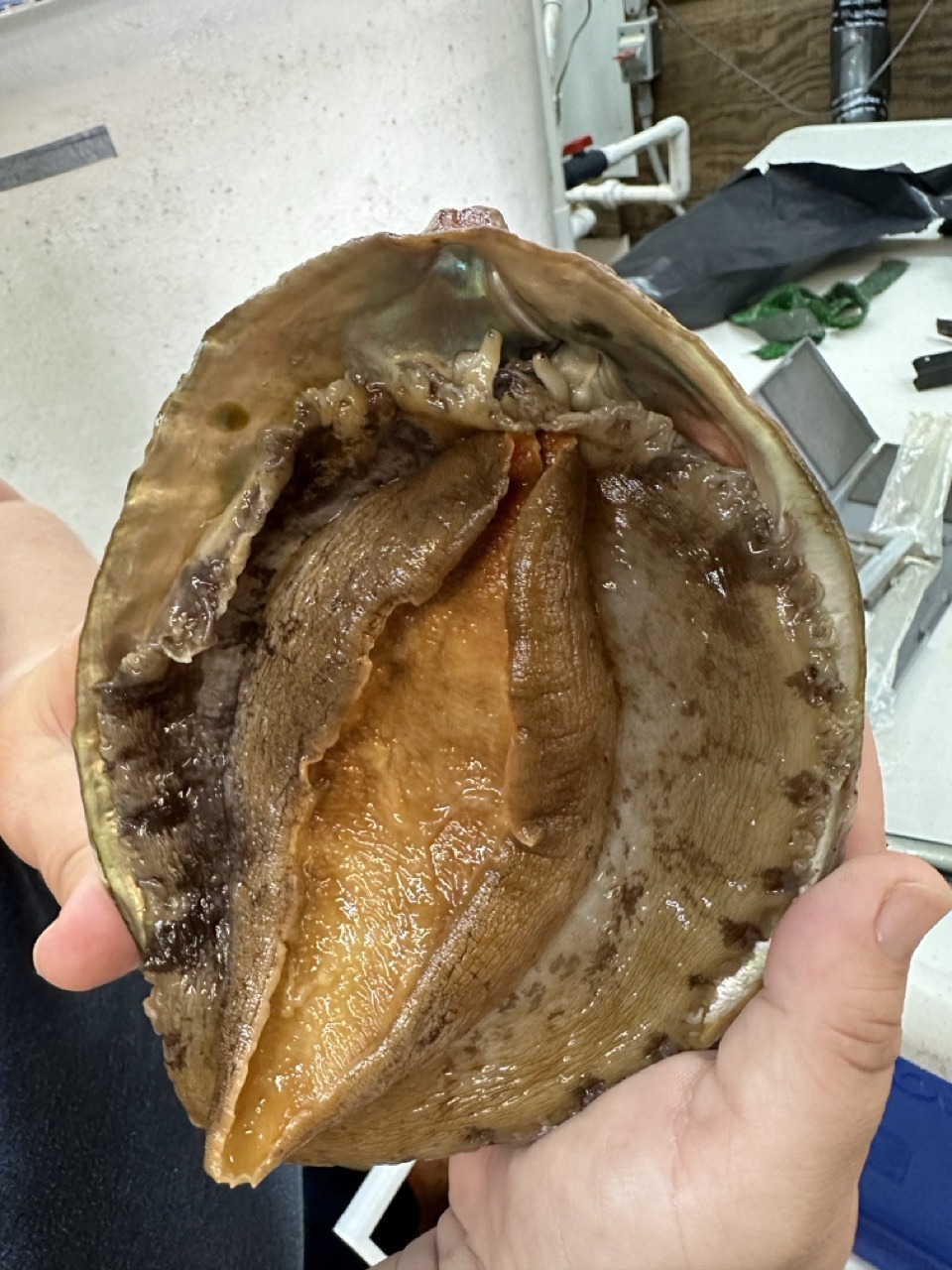
Meet Myrtle: One Abalone with a Big Role in Recovery
Myrtle is no ordinary LightHawk passenger. She is one of just 10 wild-origin white abalone living in captivity, making her an important part of the effort to save the species. LightHawk volunteer pilot Michael Baum flew Myrtle from Long Beach…
Help Restore California’s Marine Ecosystems
Your gift supports time-sensitive wildlife transport and sustained monitoring of kelp forests, protected waters and coastal habitats, strengthening recovery for vulnerable species and marine ecosystems.