
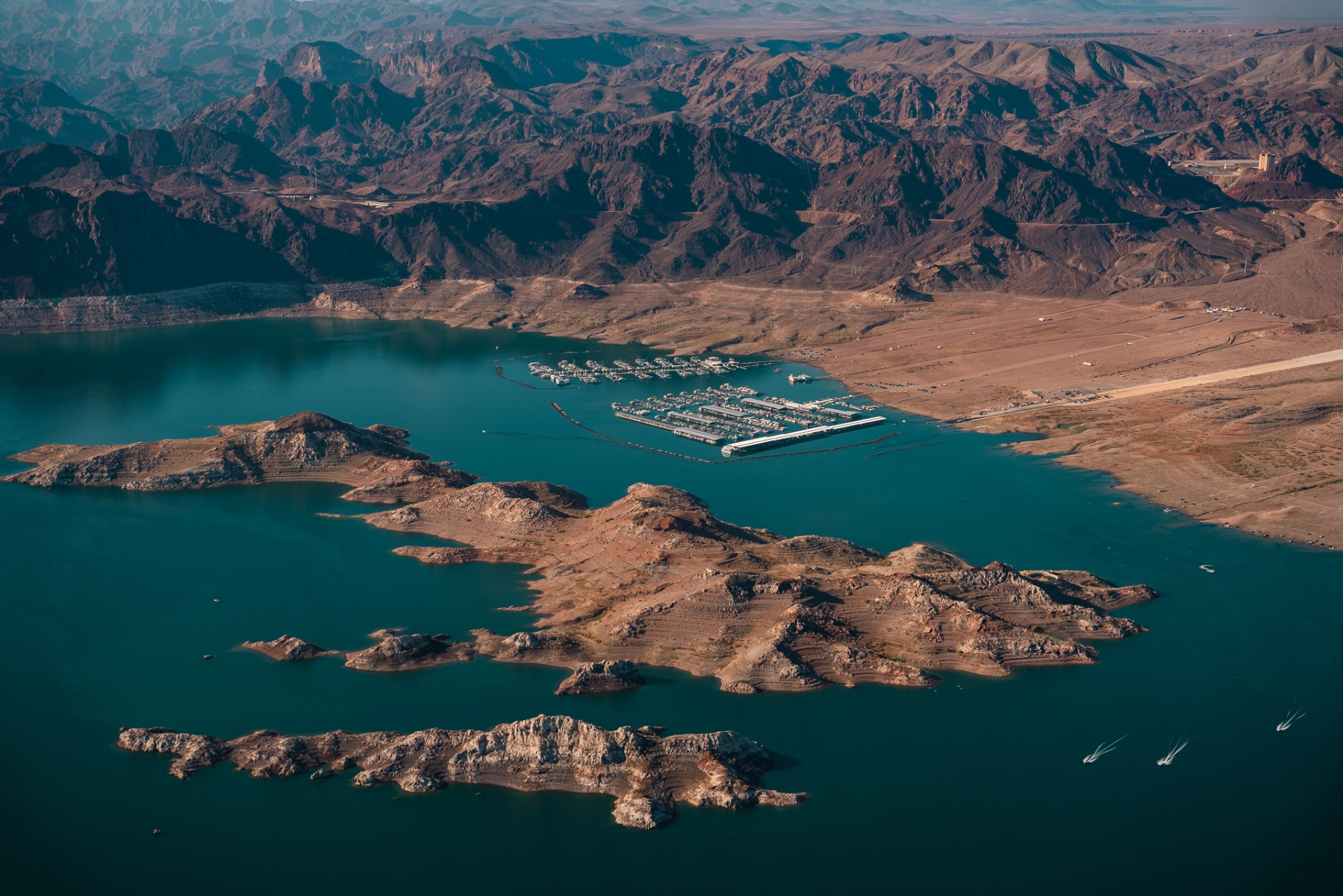
Starting high in the Rocky Mountains, the Colorado River winds south through some of the most dramatic and heavily used landscapes in the American West before reaching toward the delta in Mexico. This summer, ultra-marathon runner Mina Guli has been following that same path on foot.
Working with partner Keep the River Running, Guli is taking on a 2,000-mile journey along the Colorado River to draw attention to a system that millions of people depend on for drinking water, electricity, agriculture and more. As she runs, Guli is telling the story of a river under growing pressure from drought, overuse and competing demands.
After more than 1,300 miles on foot, LightHawk helped give Guli and her team a very different perspective on the journey: a view from above.
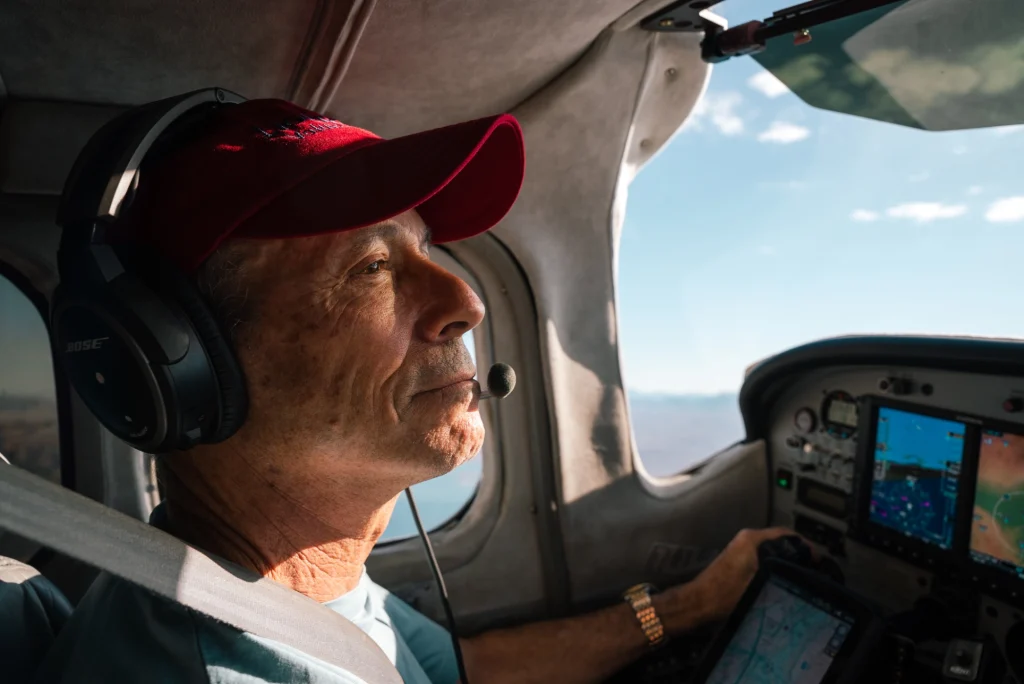
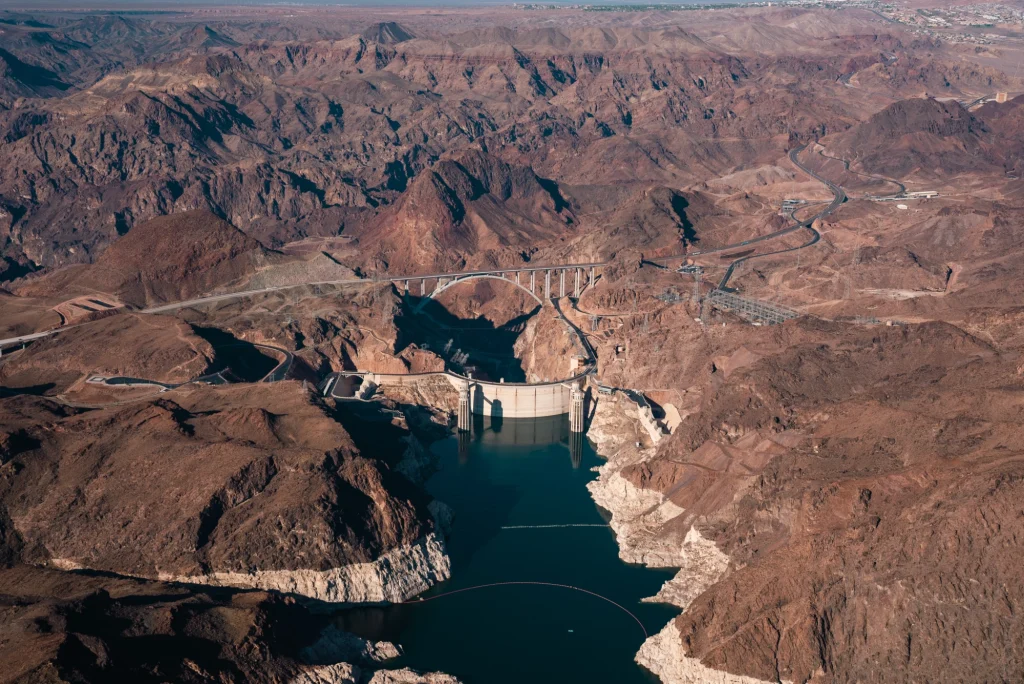
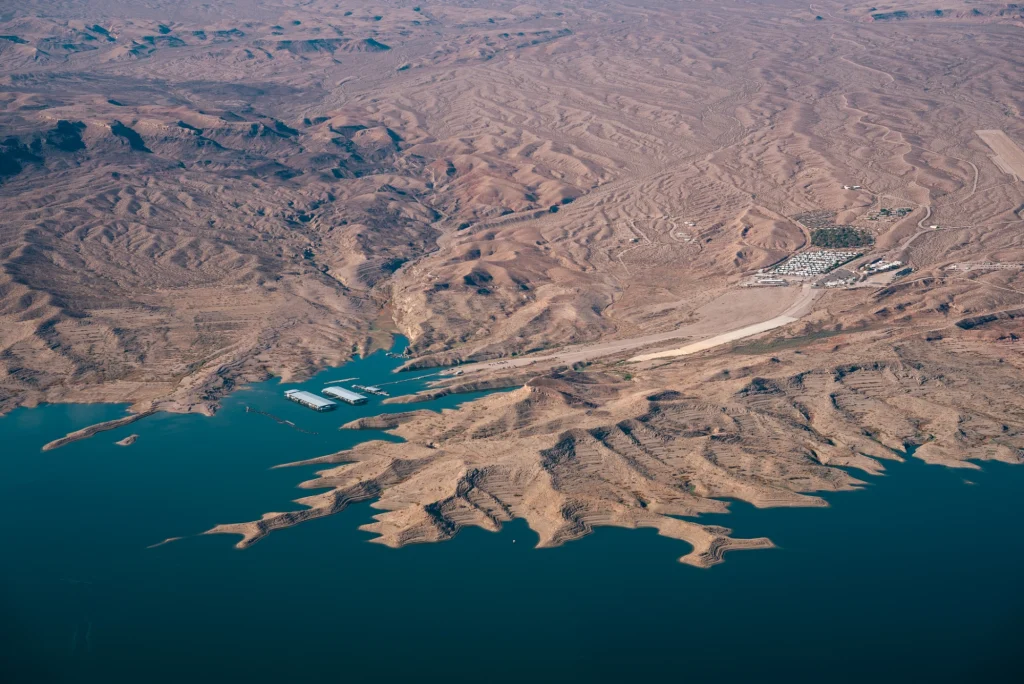
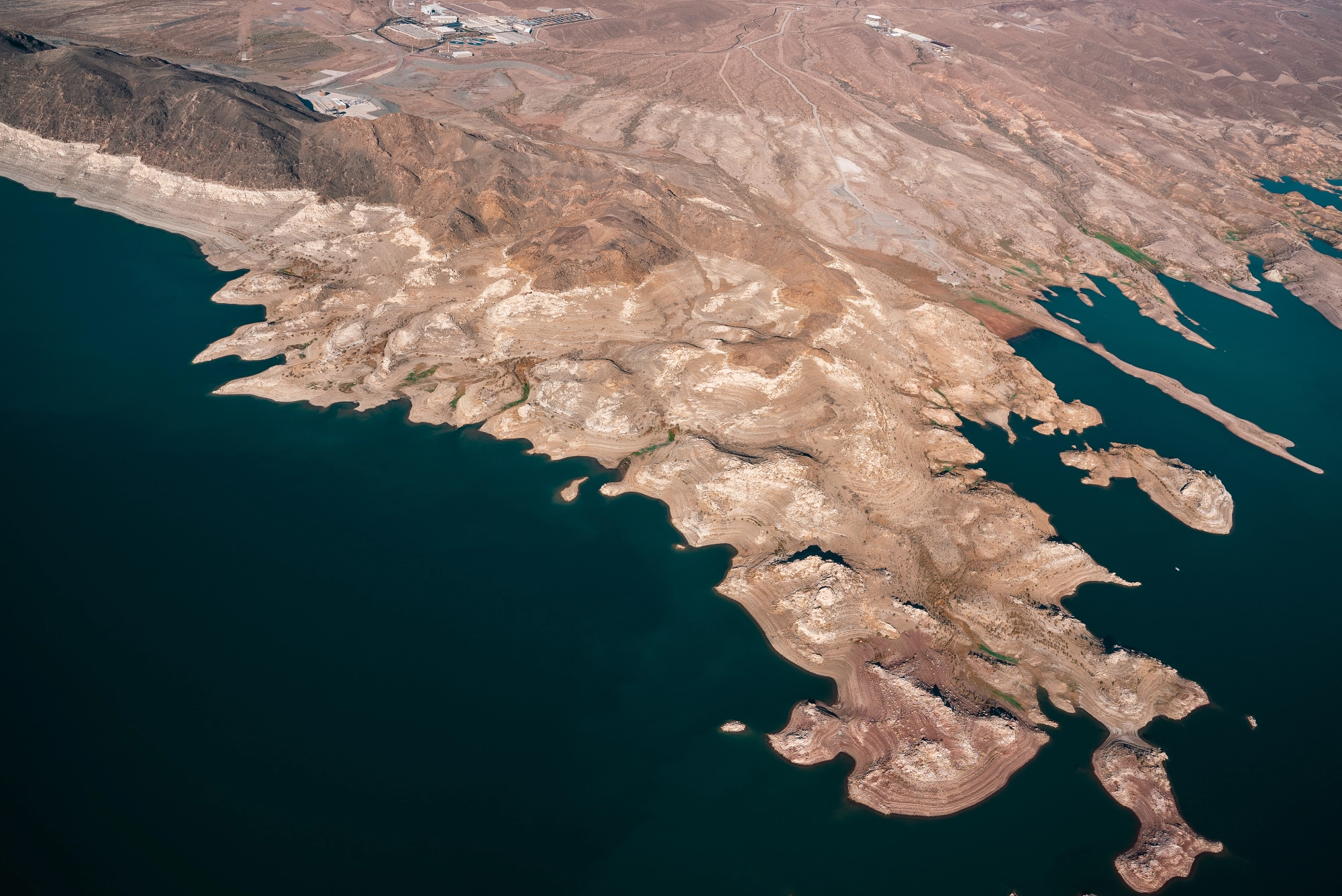
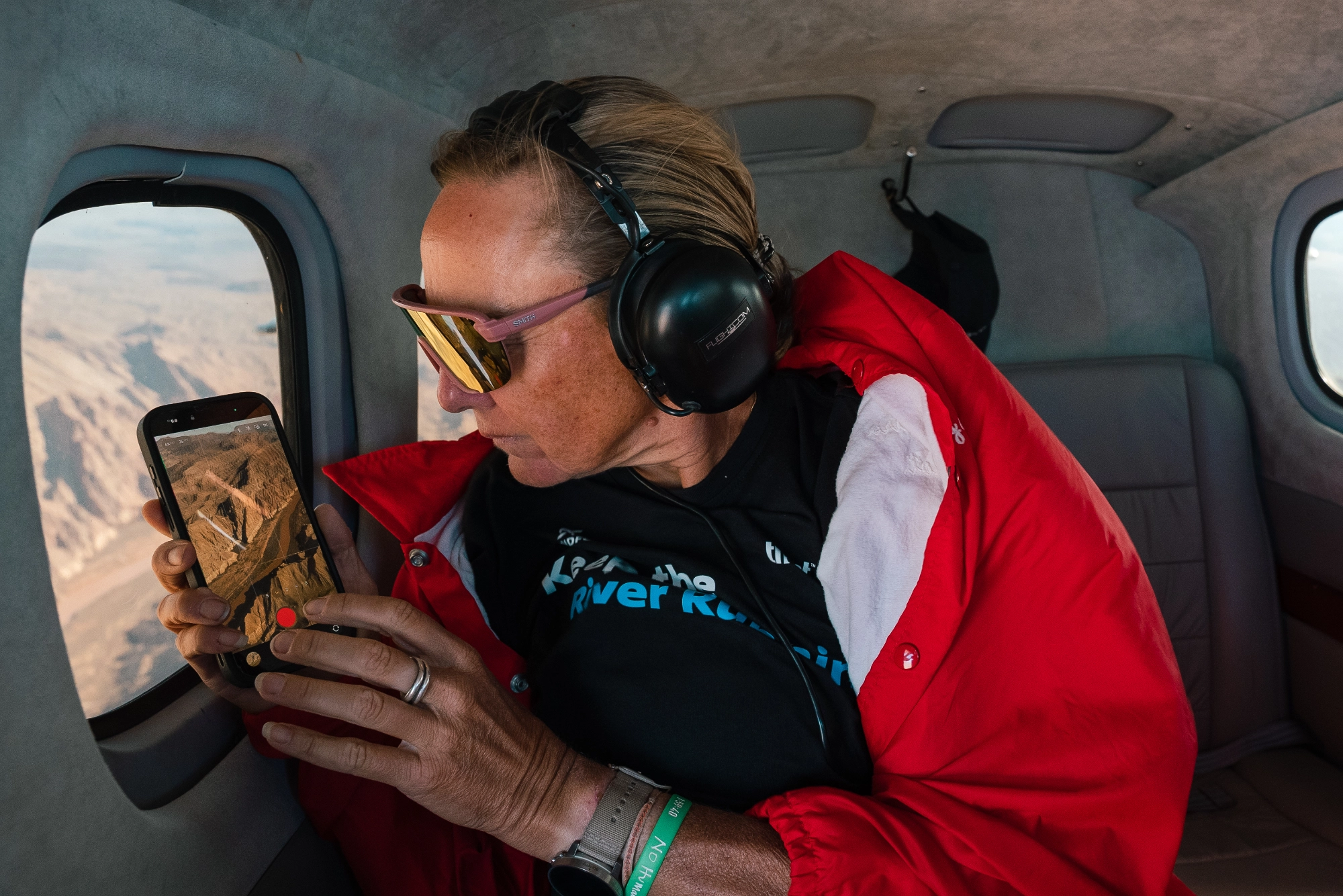
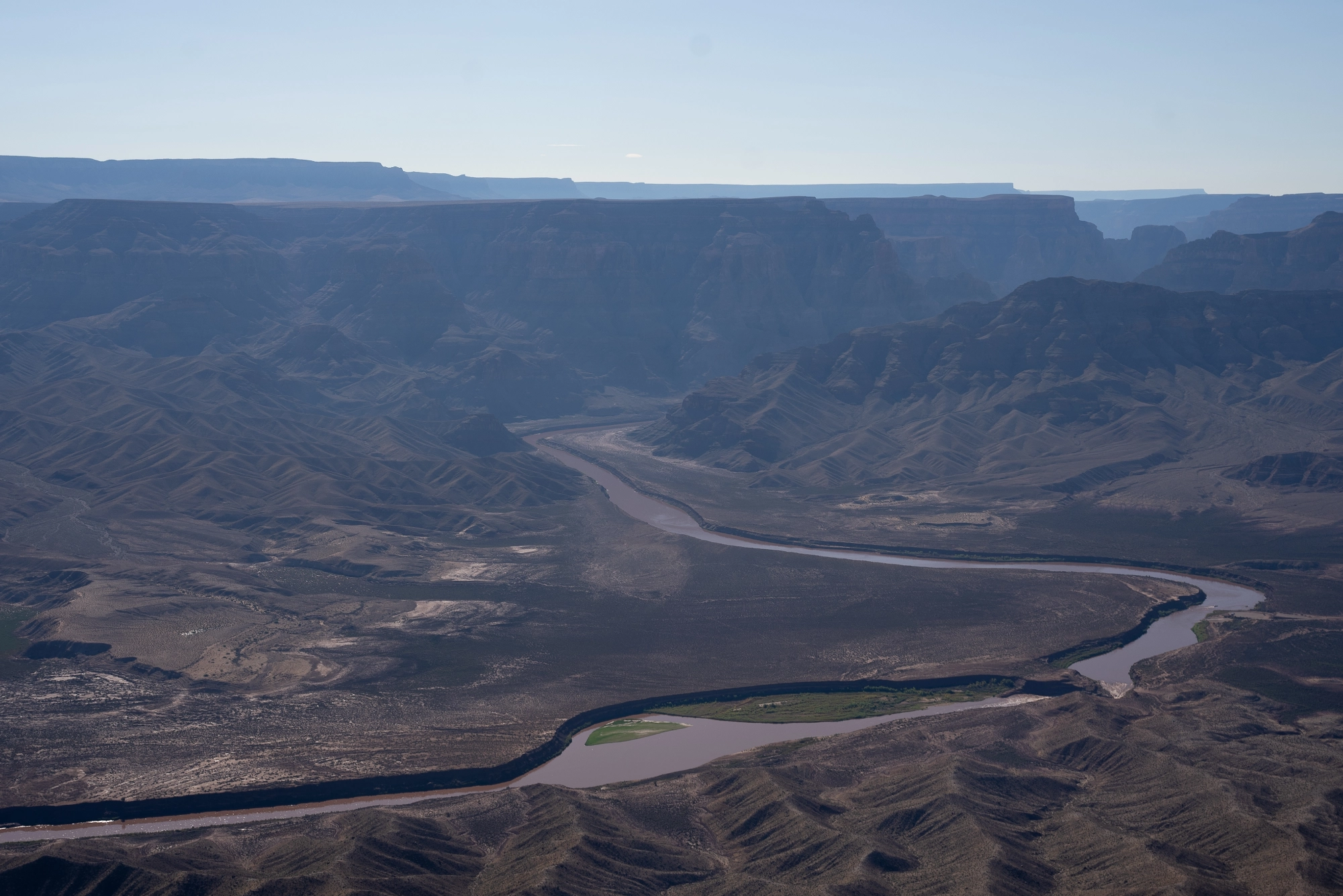
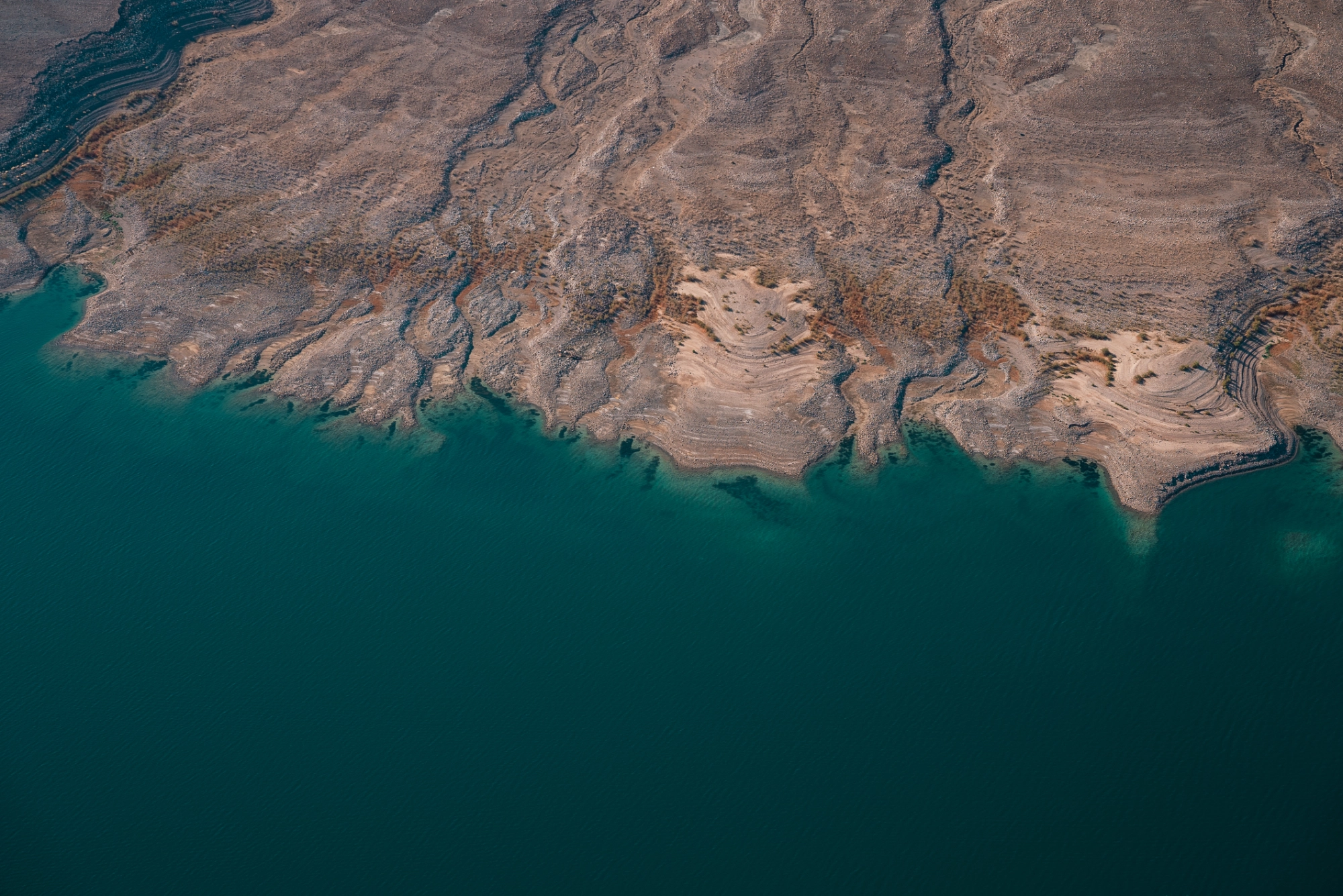
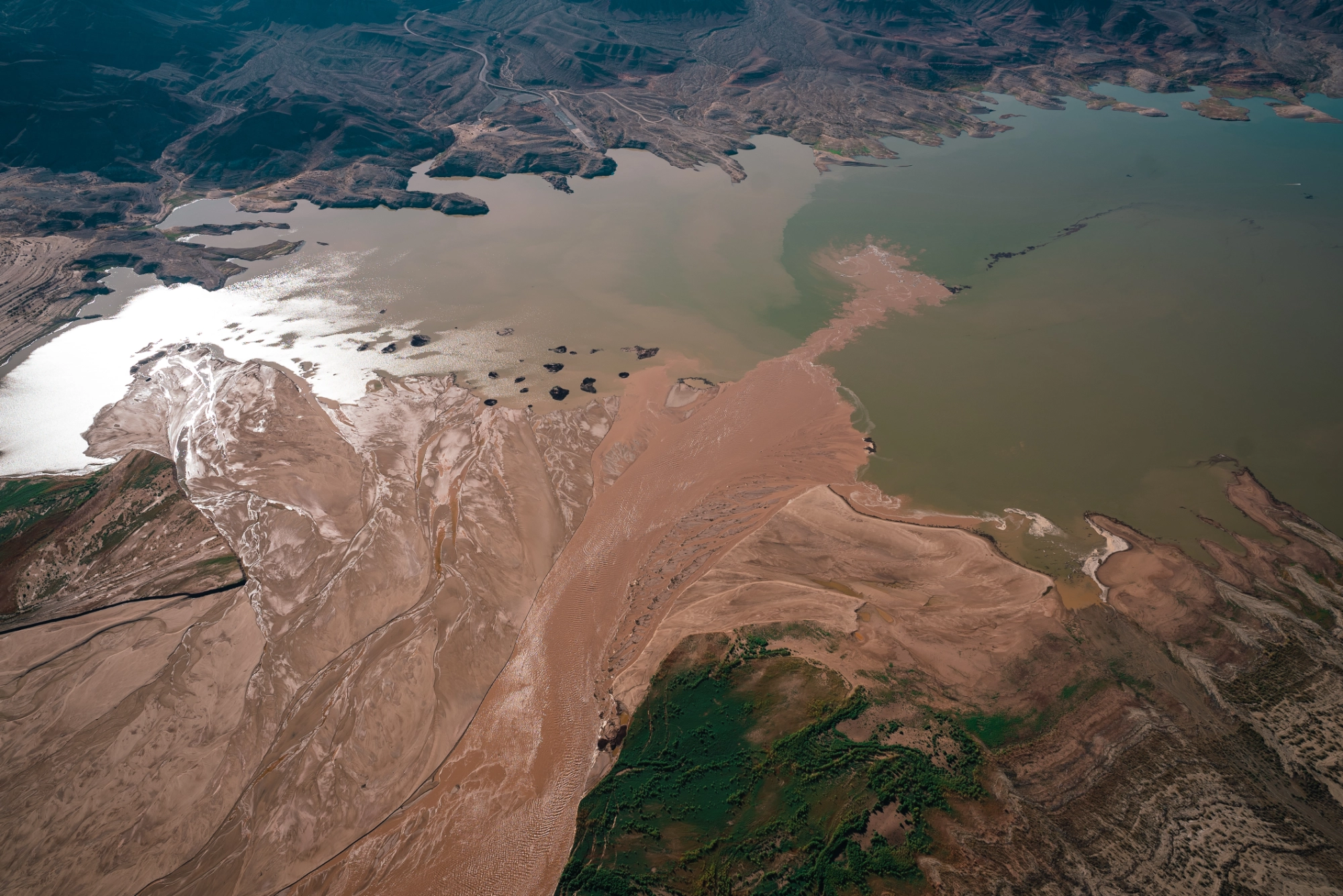
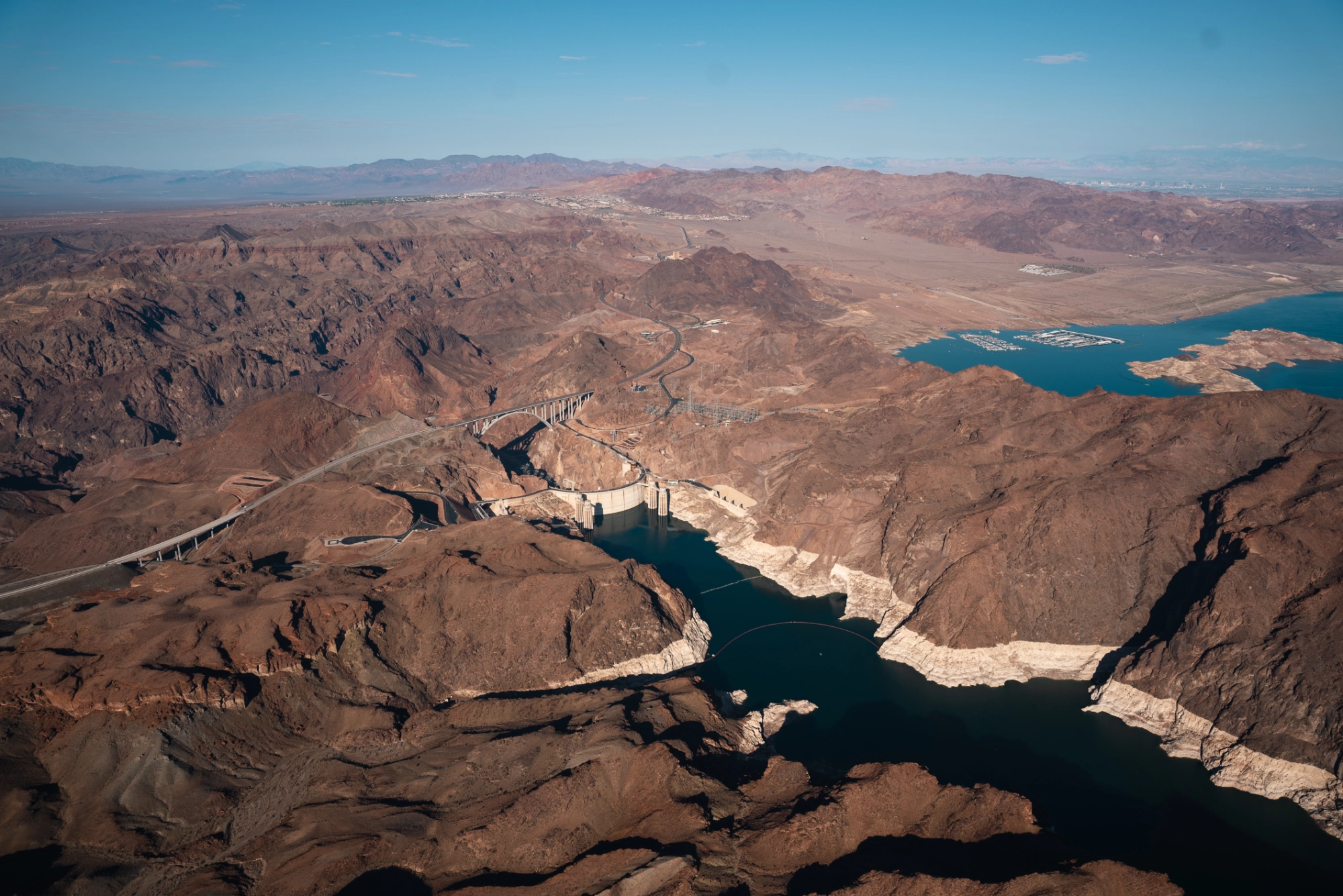
LightHawk Volunteer Pilot John Anson flew Guli and a photographer in his Cessna 210 above portions of the Colorado River and its major reservoirs, allowing them to see the river across hundreds of miles. From the air, shrinking shorelines, sprawling reservoirs, agricultural lands, desert communities and the river itself come together as one interconnected system.
Guli is documenting the run as she logs the miles, using social media to share the river as she experiences it. (Watch her flight experience on Instagram)
Guli’s journey tells the story of the river step by step. The aerial view connected those individual experiences to a broader picture, while giving Guli and her team imagery to help audiences understand the scale of the challenges facing the basin and the communities, landscapes and livelihoods tied to its future.
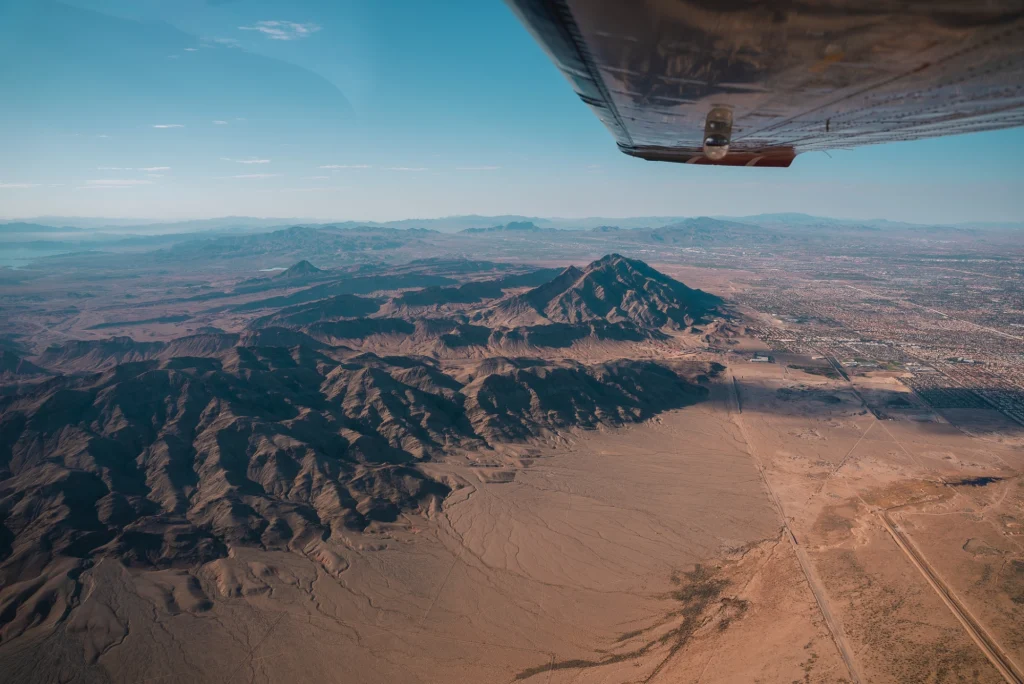
For LightHawk, that is the value of working alongside conservation partners: bringing aviation into the work when a broader perspective can help people understand the scale of a challenge, document change and communicate what is at stake.
The Colorado River supplies water to more than 40 million people and supports agriculture, energy production, wildlife, recreation and communities throughout the Southwest. This is not just about protecting a river. It is about the future of a resource that much of the American West depends on.
Guli is telling that story one step at a time. LightHawk is proud to work alongside Mina and Keep the River Running, bringing a view from above that shows how all those miles connect.
Photos by Andrew Robb.