
Our Impact
Seeing More.
Protecting More.
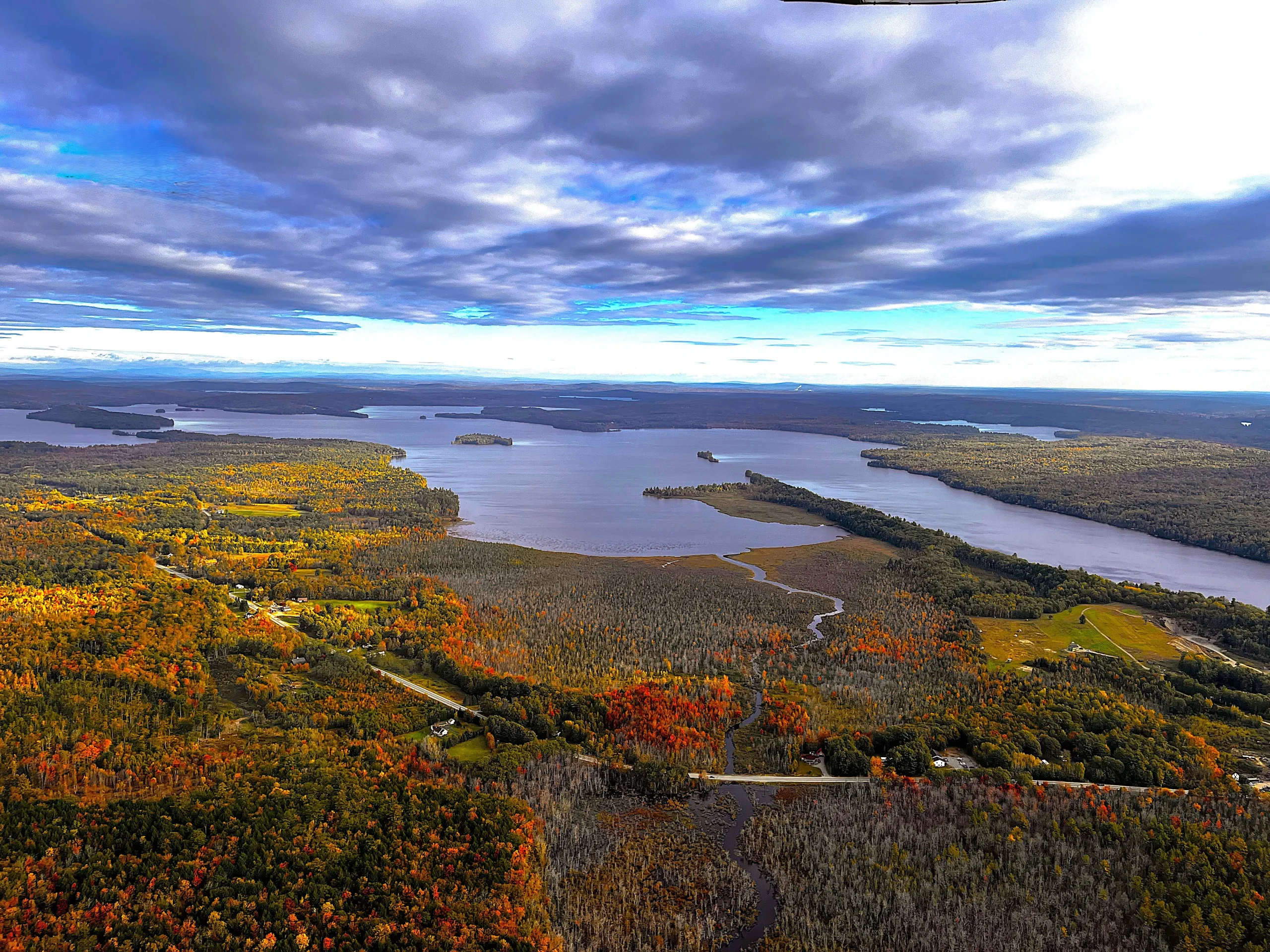
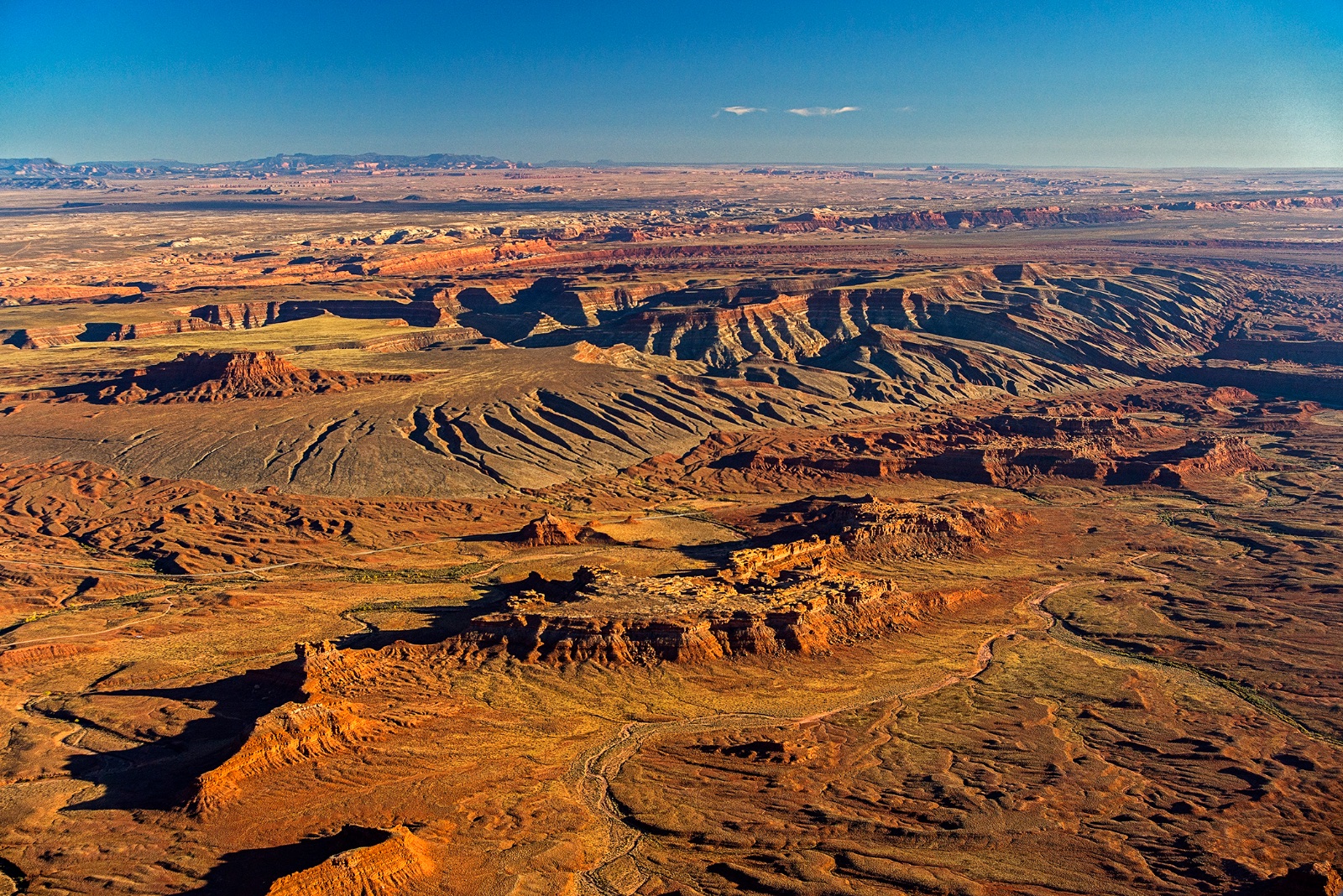
Through aviation, LightHawk reveals landscape-scale conservation challenges, opportunities, and connections that are impossible to understand from the ground.
Our Mission
Designed for the Bigger Picture
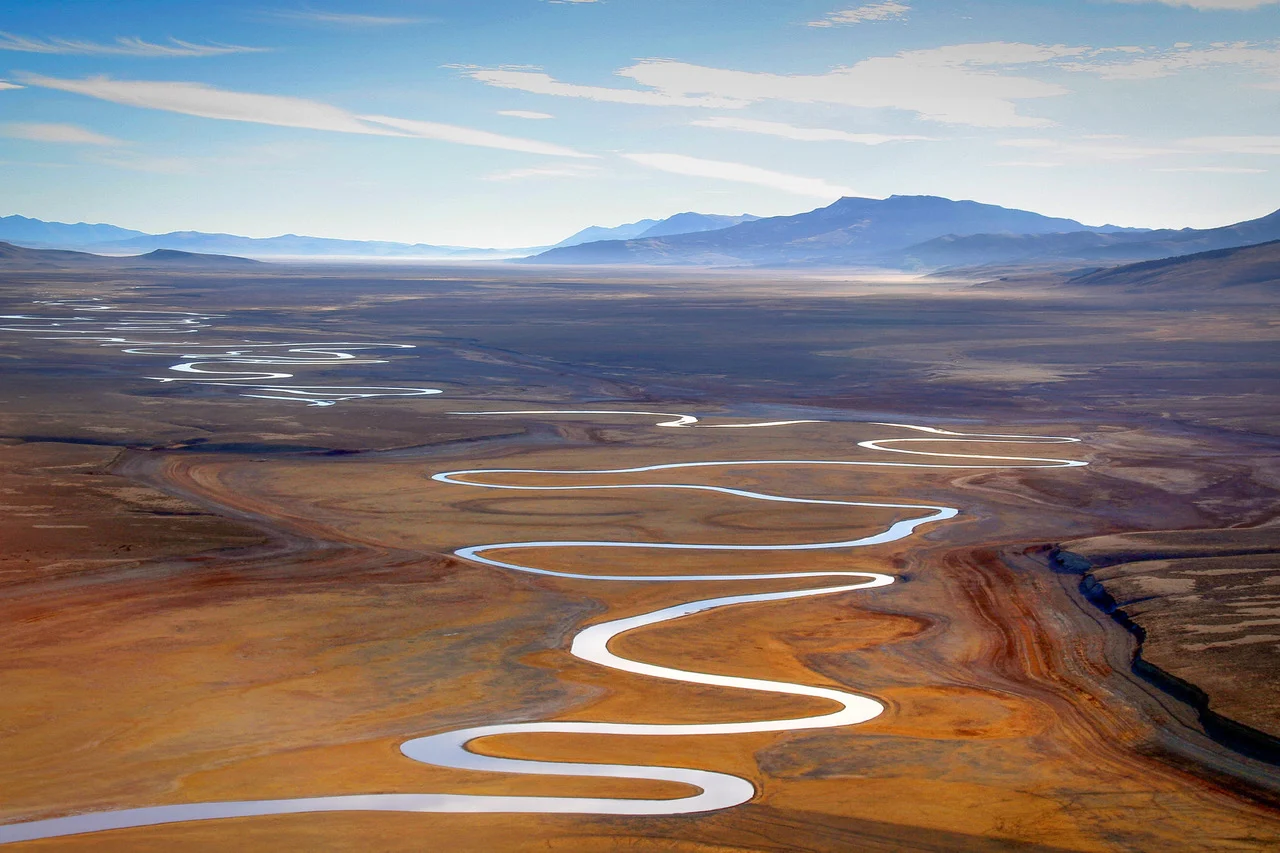
LightHawk brings aviation into conservation work when the view from the ground is not enough. We design missions to reveal scale, connections, and change in ways that strengthen conservation strategy and outcomes.
A Legacy of Impact
Experience Built Over Decades
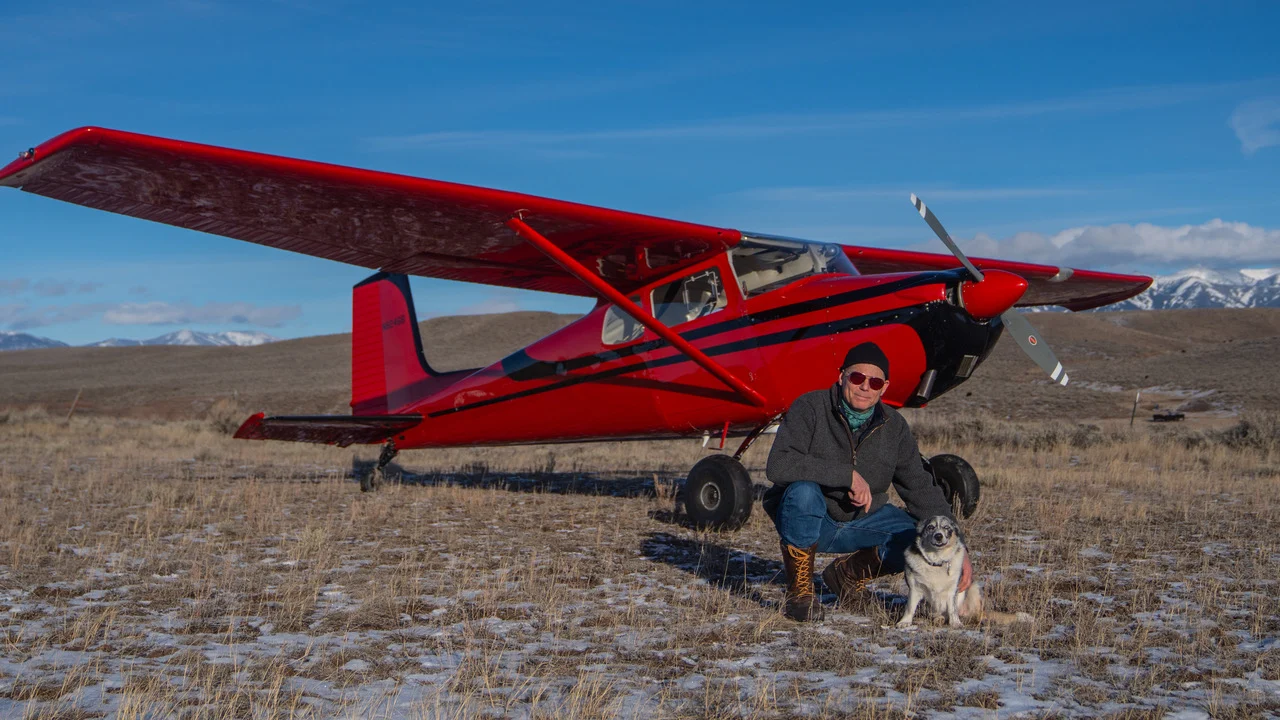
For more than four decades, LightHawk has built a depth of conservation and aviation experience few organizations can match. That history has shaped a model rooted in expertise, strong partnerships, and an understanding of where aviation can make the greatest difference for habitats, species, and ecosystems across North America.

Conservation at Scale
Conservation happens at landscape scale. A single flight can survey terrain that would take a ground team days to cover, catch a species decline before it’s irreversible, or hand a policymaker the one image that changes a decision. That’s the difference altitude makes.
In 2025
Donated Flight Hours
Conservation Flights
Program Partners
WhAT flight makes possible
LightHawk brings aviation into conservation work when a broader view, faster access, or greater reach can change what’s possible.
-
See the Whole Picture
Reveal landscapes too large to understand from the ground, making patterns and connections easier to see.
-
Reach Remote Places
Reach remote and roadless places faster, providing access when distance, terrain, or timing would stand in the way.
-
Turn Insight Into Action
Strengthen research, inform decisions, document change, and tell conservation stories more powerfully.
aviation in action
When Hours Matter
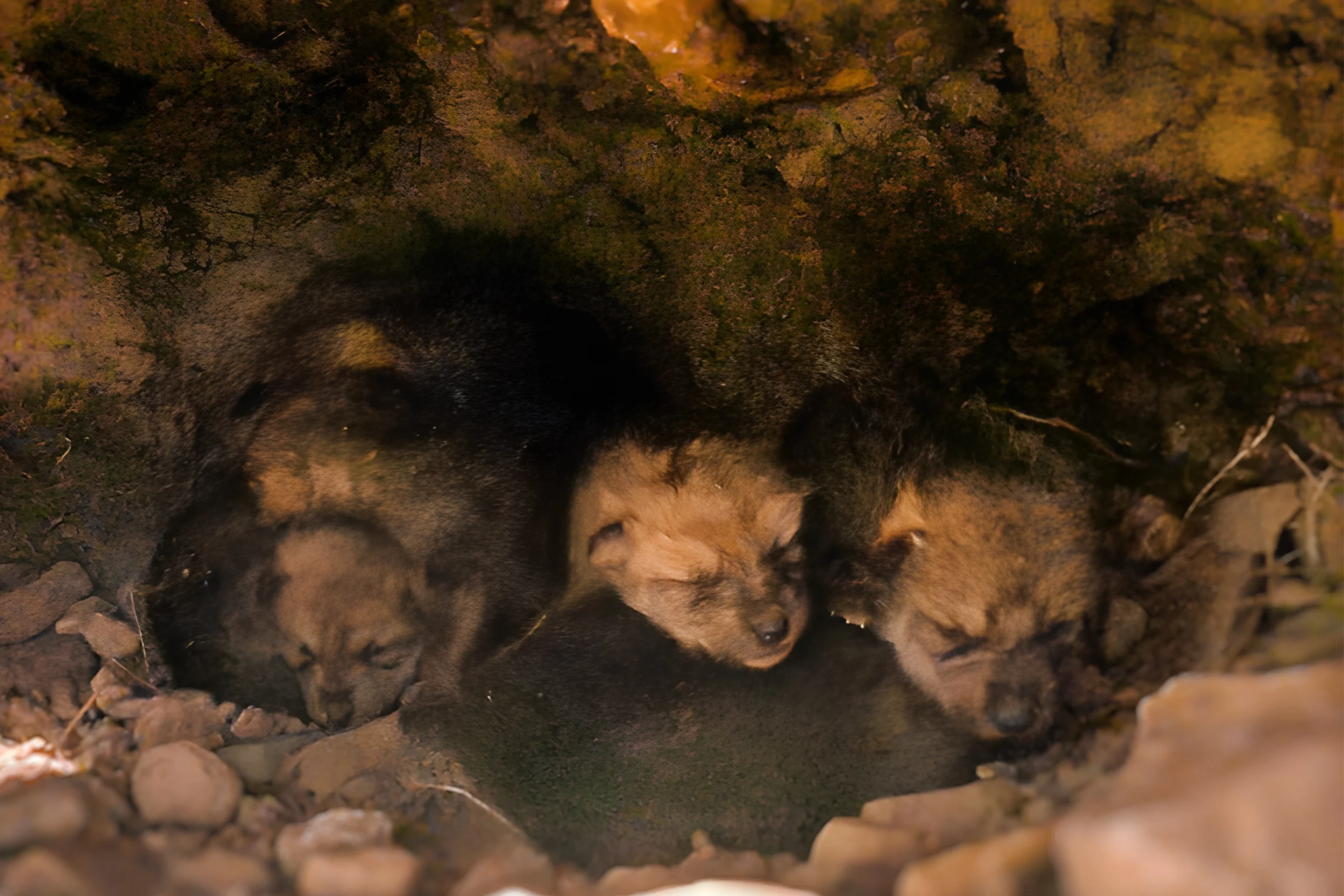
LightHawk has transported endangered Mexican gray wolf pups across the country in a matter of hours, helping biologists place them into wild dens for cross-fostering while reducing travel time and stress. Since 2010, 51 conservation flights have transported 169 wolves in support of the species’ recovery. By making these time-sensitive moves possible, aviation is helping strengthen genetic diversity and build a healthier wild population.
in their words
What Changes From Above
join the work
Be Part of The Impact
Every flight depends on people who give their time, their skills, and their support.
Here are two ways to help us keep conservation in the air.
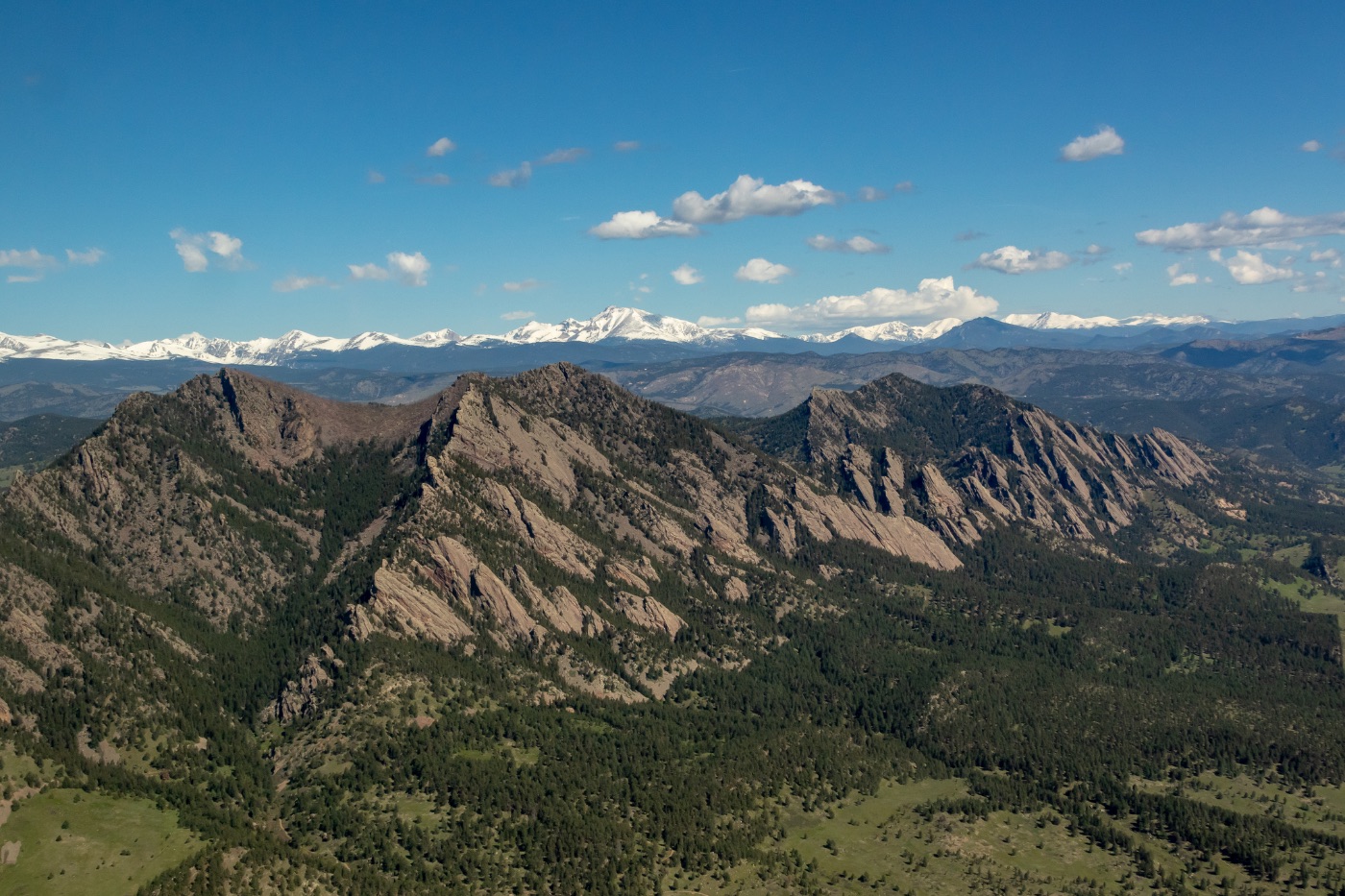 For Pilots
Join the Cockpit
Volunteer pilots are the backbone of LightHawk’s mission — donating their time, expertise, and aircraft to conservation across North America.
Learn More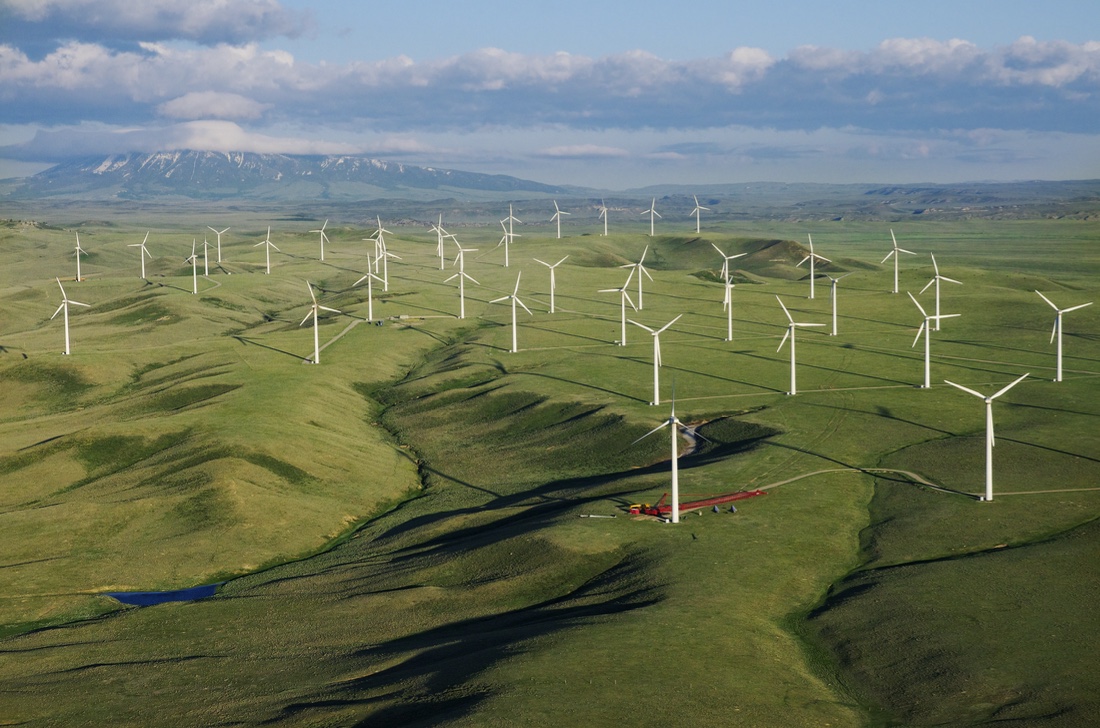 For Everyone
Support Conservation Flying
Your generosity provides the aerial perspective, imagery, and insights needed to address critical conservation challenges and advance informed action.
Donate Today