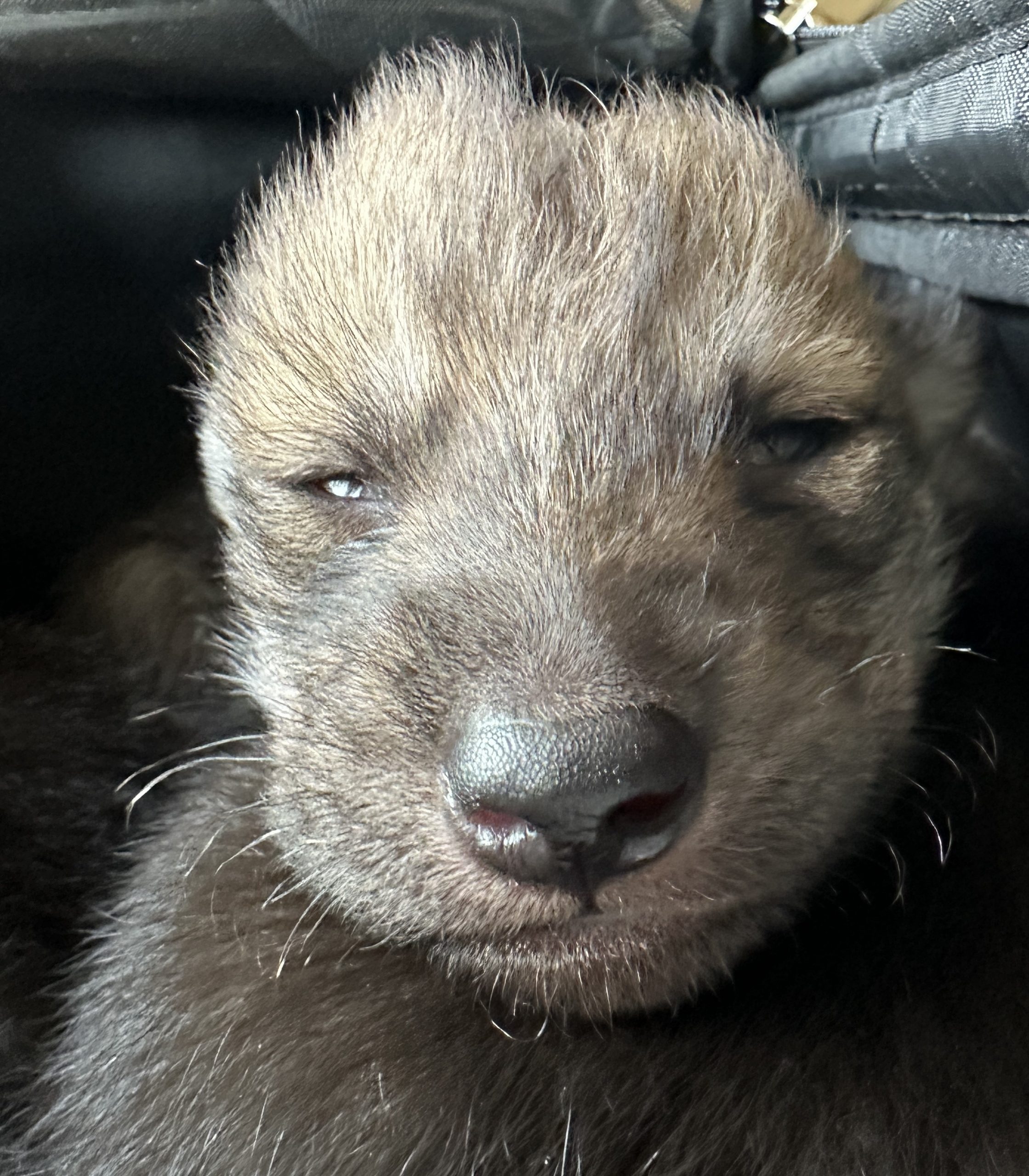
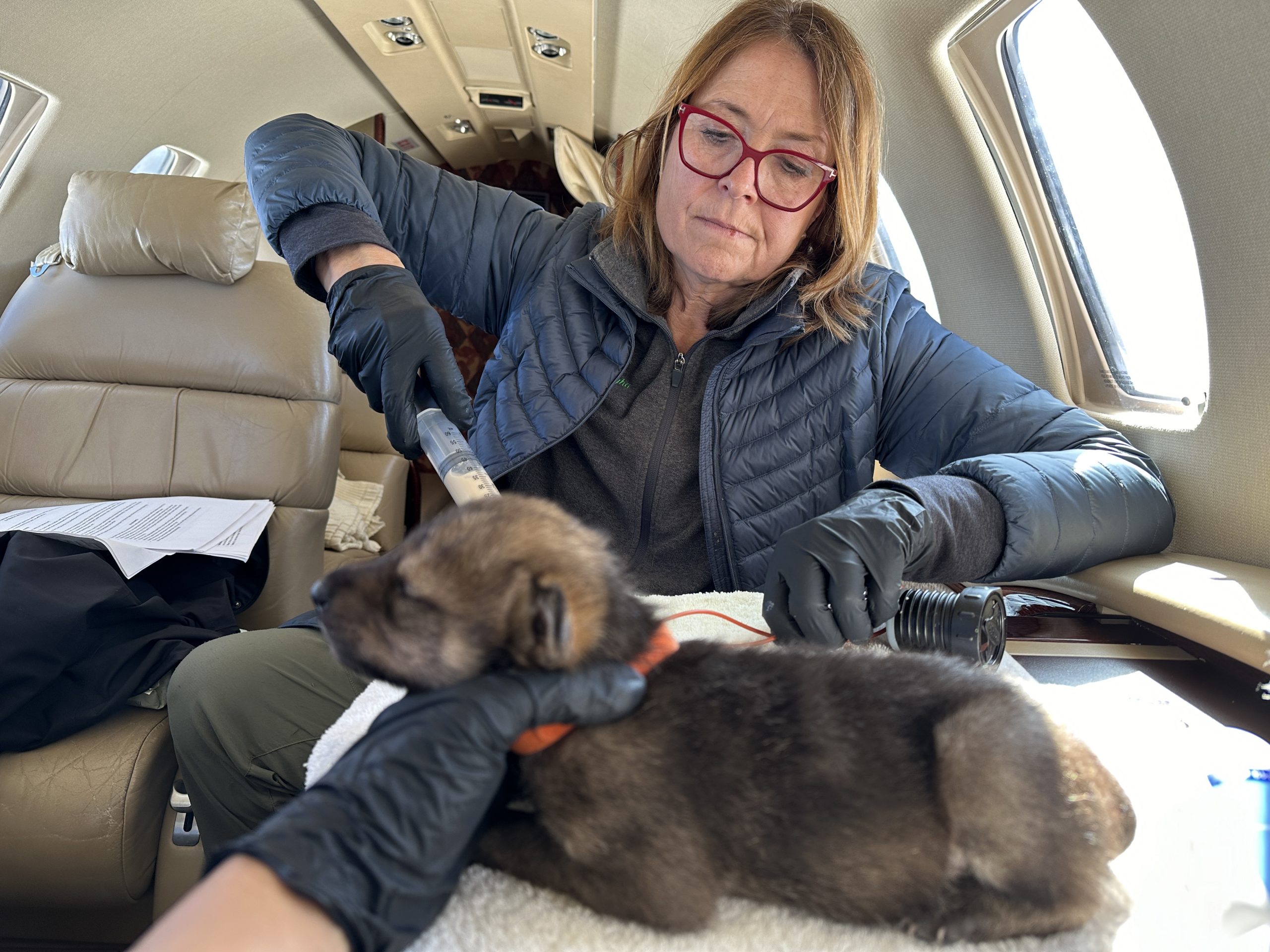
In early May, LightHawk once again took part in one of North America’s most remarkable species recovery efforts, flying Mexican wolf pups for cross-fostering into wild dens.
Mexican wolves came perilously close to disappearing from the wild in the United States and Mexico. Their recovery began with a captive breeding program founded with just seven wolves. Since reintroduction efforts began in 1998, cross-fostering has become an important tool for strengthening the wild population and increasing its genetic diversity.
Limited genetic diversity remains one of the greatest challenges to the Mexican wolf’s long-term recovery. Introducing genes from the captive population is essential, but releasing adult animals proved difficult, with many struggling to adapt. Cross-fostering offered a better solution.
That challenge led to the development of cross-fostering. Wolf pups born in captivity are placed in wild dens with pups of a similar age, where they are raised by wild mothers as part of the pack. This approach helps avoid many of the difficulties adult captive wolves can face when released, while introducing new genetics into the population and strengthening the long-term recovery of Mexican wolves in the wild.
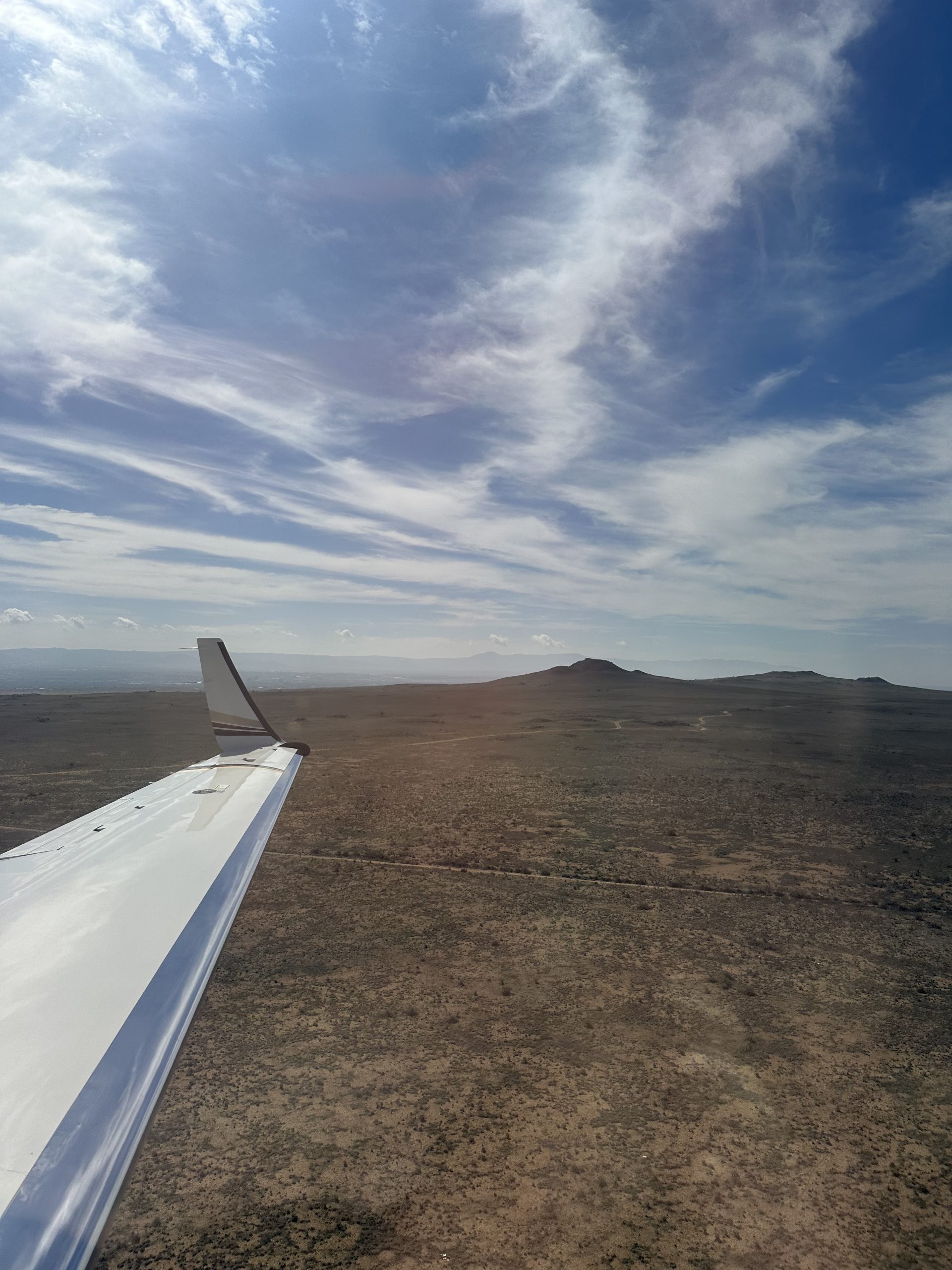
This flight carried five pups from the Wolf Conservation Center in New York to New Mexico, where they continued by ground to their wild den.
LightHawk flights are especially well suited for these time-sensitive transports. Handlers can remain with the pups throughout the journey to feed and monitor them, while flexible routing allows flights to land as close to the den site as possible. That means less time on the ground and a shorter journey before the pups are placed with their new wild family.
LightHawk has supported the cross-foster program since it began in 2016. Since then, the wild population has grown from 97 to at least 257 Mexican wolves at the end of 2023. During those years, LightHawk volunteer pilots transported more than 100 Mexican wolves, including both pups and adults, helping make these complex, time-sensitive recovery efforts possible.
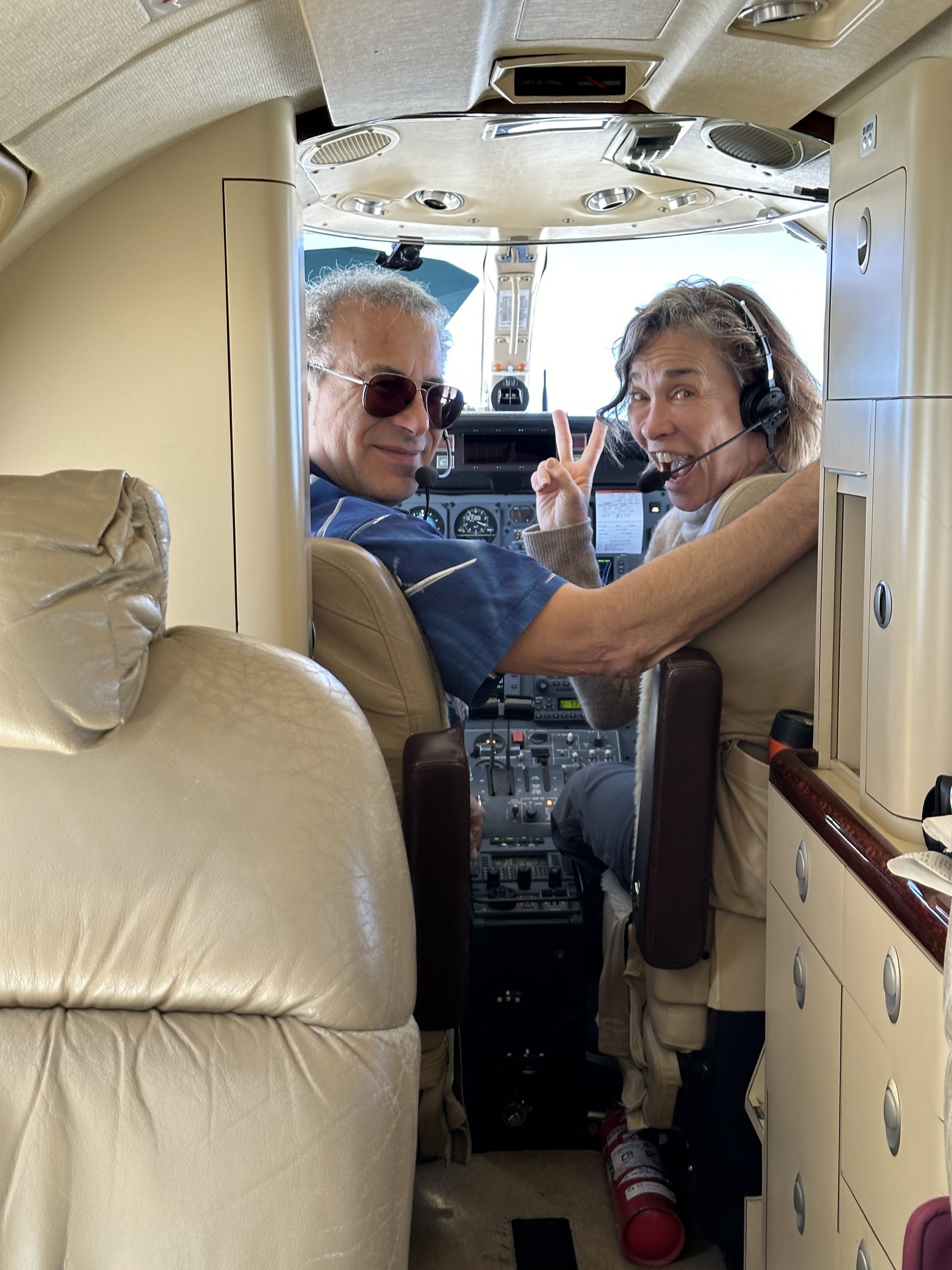
Volunteer pilot Ken Adelman transported the wolf pups and their handlers on this flight. Ken and his wife, Gabrielle, have supported a remarkable range of LightHawk wildlife missions, transporting Mexican wolves, black-footed ferrets, cheetah cubs and other species. We’re grateful for their extraordinary commitment and the role they continue to play in endangered species recovery.